
Last updated November 15, 2026
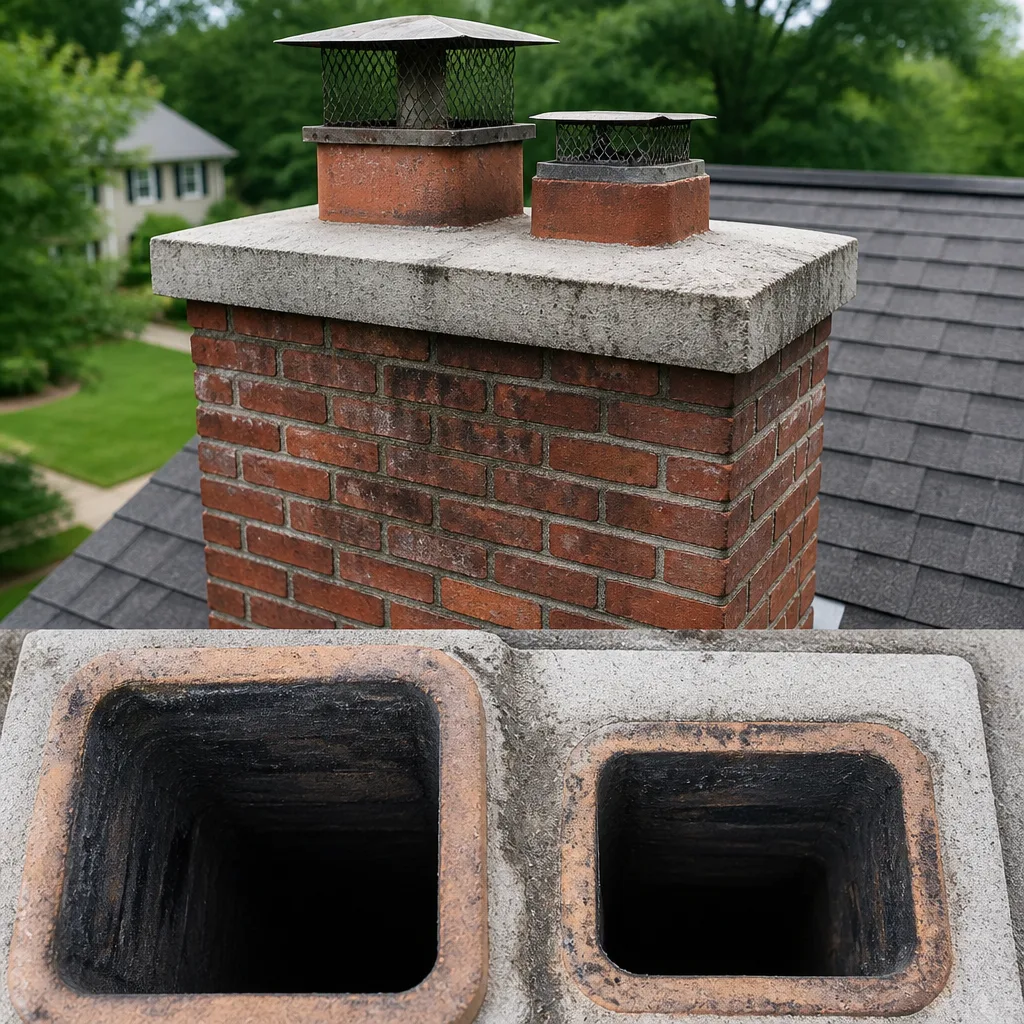 Sweep & inspection
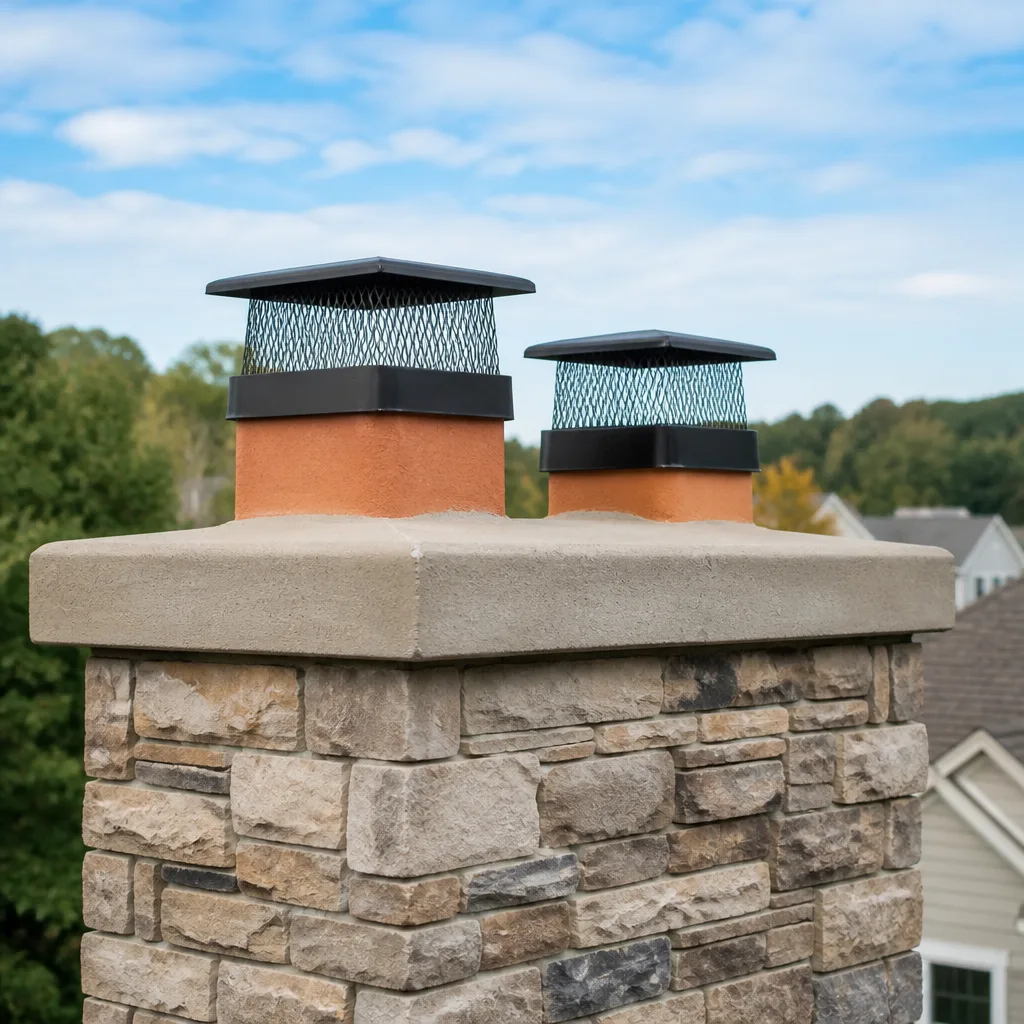 Caps & crowns
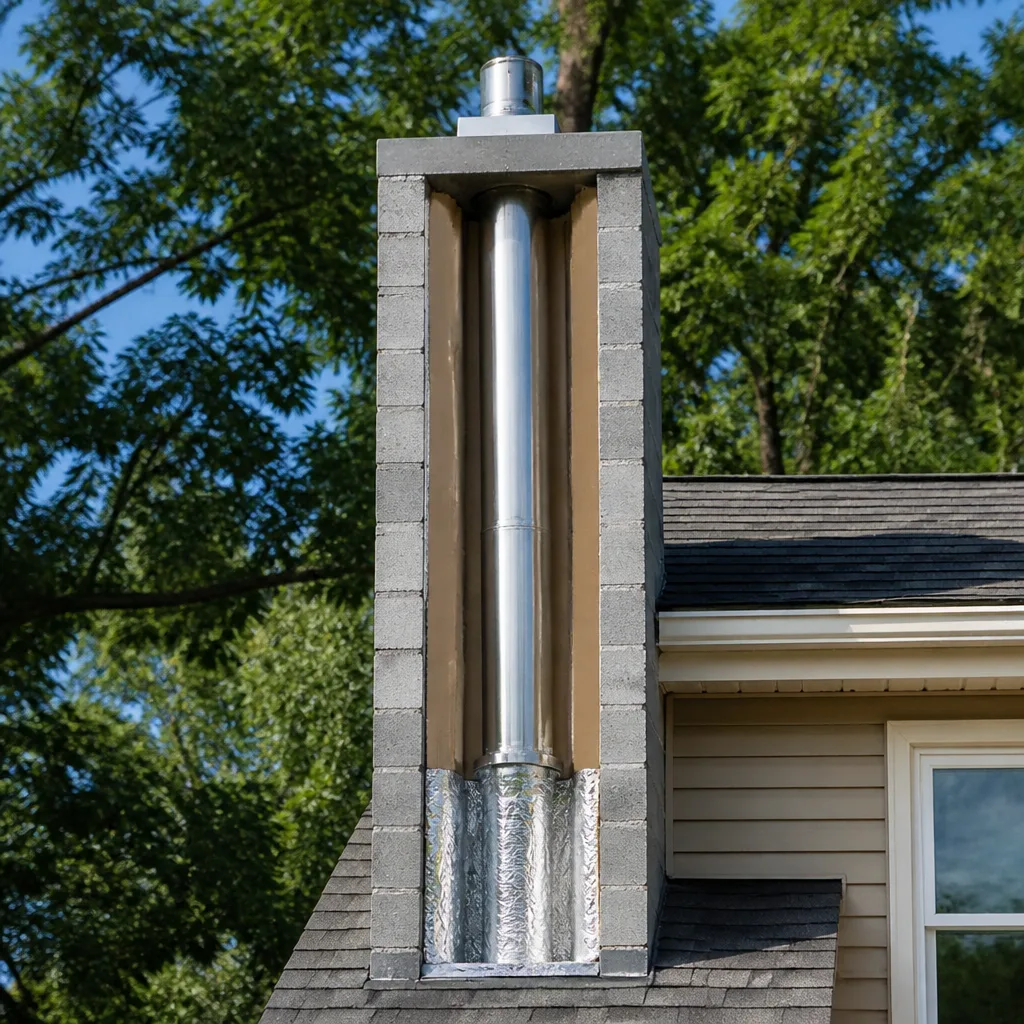 Flue relining
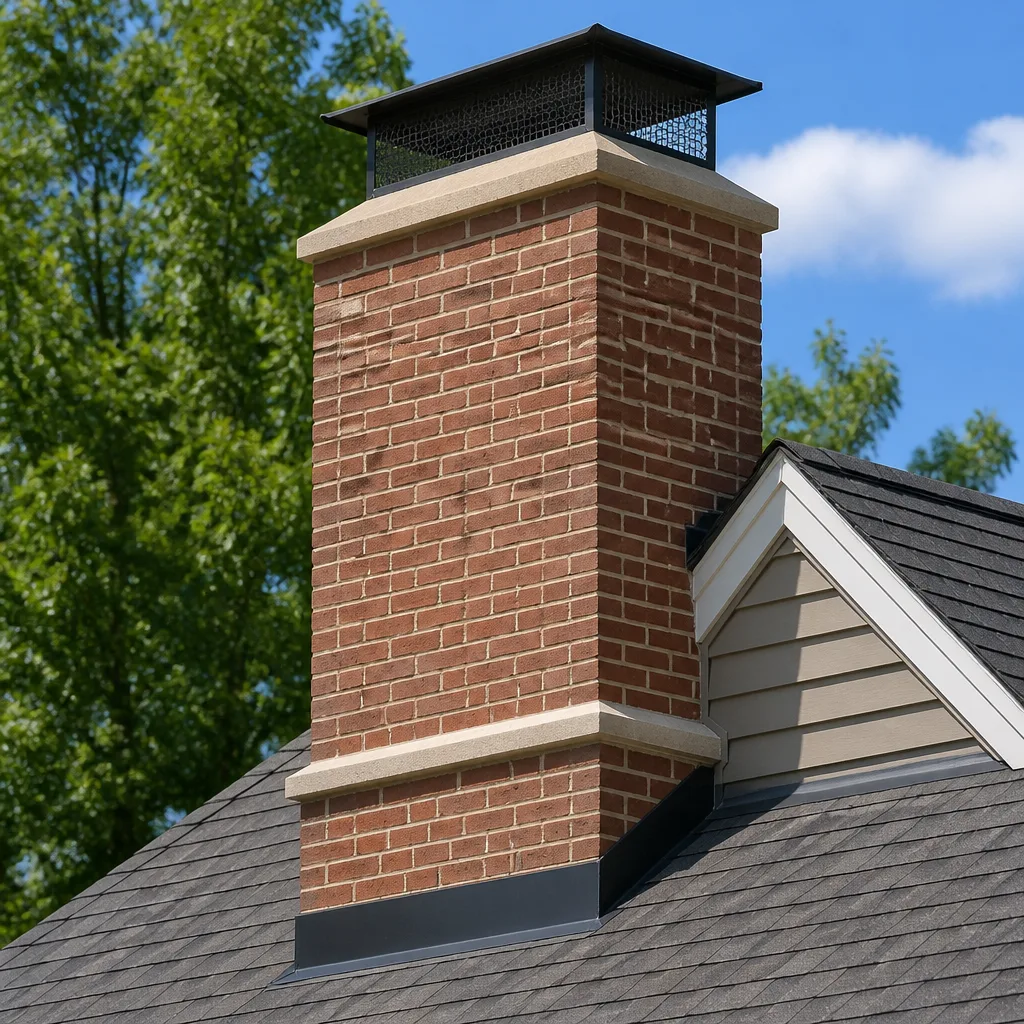 Masonry repair
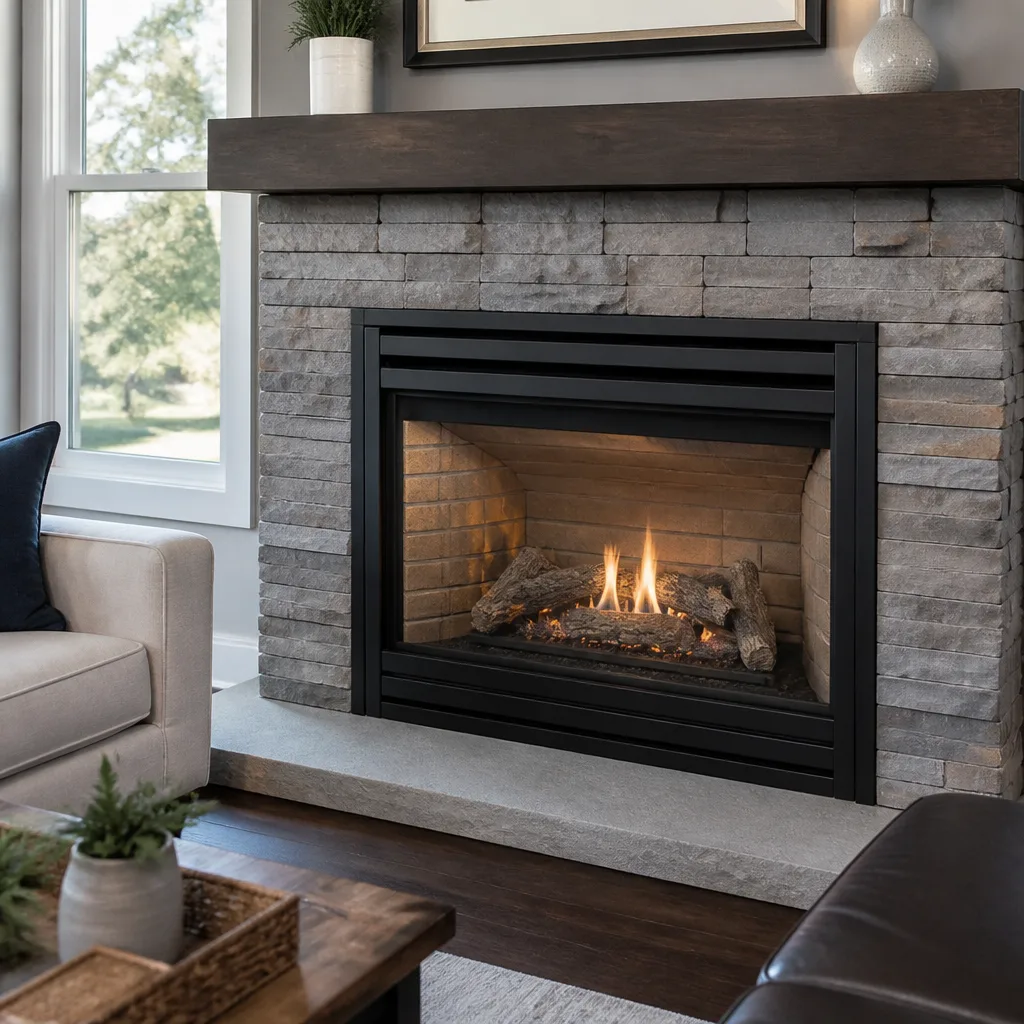 Gas fireplace service
Level 1 sweep and inspection to the NFPA 211 annual standard - flue, crown, cap, and flashing checked and photographed
Chimney sweep logs do not sweep chimneys. They loosen some creosote - which then falls where a brush and vacuum still have to collect it.
Chimney Cleaning Cost Breakdown: The Fairfield Homeowner’s Reference for 2026
That $99 sweep quote in Fairfield buys you a brush, a flashlight, and a twenty-minute visit. It doesn’t include the camera inspection, the written report, or anything above the firebox, which is where most of a chimney system actually lives. What you’re really paying for isn’t the cleaning itself; it’s the scope. A sweep that stops at the smoke chamber tells you nothing about the flue above it, and that’s the part that fails. This guide breaks down every cost driver a Fairfield homeowner will meet in 2026: access difficulty, liner type, creosote stage, inspection tiers, and the math on skipping maintenance entirely. Read it before you collect quotes, so you can compare them honestly.
Quick Answer
A basic chimney sweep in Fairfield, CA typically costs $175 to $300. A sweep with a camera inspection and written photo report usually runs $300 to $525. Add-ons that affect the total include roof access difficulty, liner type (terra cotta, stainless steel, or HeatShield resurfacing), creosote stage, and whether a cap, crown, or damper needs work. The written estimate sets the final price, and it should be agreed before anyone touches your chimney.
Styles & brands we work with
- Sweep & inspection
- Caps & crowns
- Flue relining
- Masonry repair
- Gas fireplace service
Table of Contents
- What actually drives chimney cleaning costs in Fairfield?
- Scope tiers: what $175 buys versus what $525 buys
- How liner material changes the cleaning method and the cost
- Access surcharges Fairfield homeowners should expect
- What “free inspection” offers actually cost
- The real price of deferred maintenance
- Creosote stages and why they set the labor price
- How to read and compare a chimney quote
What Actually Drives Chimney Cleaning Costs in Fairfield?
The biggest cost driver in chimney cleaning isn’t the brush; it’s diagnosis. Two chimneys on the same block can cost wildly different amounts to clean because the work depends on what’s inside the flue, how the roof is accessed, and what the technician finds once the camera goes up. Labor time drives the number, and labor time is set by the chimney, not by the company.
In our experience across Fairfield, these are the factors that move a quote most:
- Creosote stage. A light, sooty flue brushes out in under an hour. Glazed third-stage creosote can take several times longer and may need chemical treatment before brushing.
- Liner type. Terra cotta tile, stainless flex liner, and HeatShield-resurfaced flues each require different tools and techniques. We’ll get to that below.
- Roof access. Pitch, height, and how a technician gets onto the roof all affect time on site.
- Appliance type. A wood-burning fireplace, a gas insert with a metal flue, and a wood stove each require a different cleaning routine.
- Blockage. Nests, debris, and animals can turn a routine sweep into an extraction job.
- Scope tier. Basic sweep, sweep plus camera, or sweep plus camera plus written report. This is the single biggest lever on the invoice.
Fairfield sits in a mild-winter climate where many homeowners burn seasonally rather than continuously. That usually means lighter creosote buildup than you’d find in colder regions, but it also means a lot of chimneys sit dormant for most of the year. A chimney used a dozen times a winter still accumulates creosote and still needs an annual inspection. Dormant doesn’t mean safe.
Scope Tiers: What $175 Buys Versus What $525 Buys
Chimney cleaning quotes aren’t apples to apples because the scopes aren’t the same. Three tiers dominate the Fairfield market in 2026, and understanding each one is the fastest way to spot a low bid that’s been stripped down to win the call.
Tier 1: Basic sweep only – typically $175 to $300
A technician brushes the flue from the firebox or the roof, vacuums the debris with a HEPA setup, and clears the firebox. What’s missing: no camera, no inspection of the smoke chamber or crown, no written report. This tier is fine for a homeowner with a known, well-maintained chimney who just wants the soot out. It’s not a diagnostic.
Tier 2: Sweep plus camera inspection – typically $275 to $425
The sweep itself, plus a video camera run up the flue to check for cracks, gaps, offset tiles, and creosote glazing the brush can’t reach. The technician reviews the footage on site. This is the tier most Fairfield homeowners should be choosing, because it catches problems a brush simply can’t see.
Tier 3: Sweep plus inspection plus written photo report – typically $350 to $525
Everything in Tier 2, plus a documented report with photos you keep. This matters most for recent home purchases (where chimney condition is unknown), for insurance documentation, and for any homeowner planning liner or repair work. The report is what you compare against a second opinion.
Here’s the part that matters: a $99 loss-leader quote is almost always Tier 1 with the camera held back as an upsell. The operator recoups margin by finding a “problem” on the video and selling the repair before you’ve had a chance to get a second look. A reputable quote shows you the full scope up front. We tell you what we find and what it costs to fix it, before we touch anything.
How Liner Material Changes the Cleaning Method and the Cost
The material inside your flue sets the cleaning method, the tools required, and ultimately the labor price. Fairfield has all three common liner types in its housing stock, and the cost of cleaning each one differs.
Terra cotta tile liners
The most common liner in older Fairfield homes. Tile is durable but brittle; repeated heating and cooling can crack tiles and open gaps at the joints. Cleaning uses standard poly brushes, but the technician has to check tile joints carefully for gaps, because a gap lets creosote sit against the surrounding masonry. If tile joints are failing, HeatShield resurfacing can restore the flue interior without pulling the whole liner.
Stainless steel flex liners
Typically installed in newer chimney systems and gas applications. Flex liners clean with softer brushes and less aggressive tooling to avoid abrading the steel. Build-up tends to be lighter in gas applications, but the top and bottom connections need checking every sweep. We work with DuraFlex liner systems, and they’re what we specify for replacement work when a flue is beyond resurfacing.
HeatShield-resurfaced flues
HeatShield is a resurfacing system applied to the inside of a deteriorated flue to restore a smooth, sealed surface. Cleaning a resurfaced flue takes a lighter touch and a technician who understands the material, because the surface can be damaged by aggressive brushing. The upside of resurfacing over full relining is cost: restoration is substantially less expensive than a full liner replacement, and it preserves the original flue dimensions. We’re set up to handle HeatShield application, which many sweep-only companies can’t offer.
When a quote comes in high, ask what liner you have and why the number is what it is. A company that can’t explain the method has likely never worked on your liner type.
Access Surcharges Fairfield Homeowners Should Expect
Roof access is the quiet cost factor that shows up in the invoice without explanation. Cleaning a chimney means getting a technician safely to the top of the flue. Every variable in that climb adds time, and time is what you’re paying for.
- Two-story homes. A chimney that tops out well above a single story means a longer roof ladder run and more setup time. Expect it to sit at the top of the base range.
- Steep roof pitch. A walkable roof takes minutes to access. A steep one requires rope work and additional anchors, and that adds labor.
- Roof complexity. Dormers, skylights, and complex rooflines in some of Fairfield’s newer construction can make the path to the chimney slower than a simple gable.
- Attic access for liner work. If a liner installation requires the technician to work through the attic, tight or blocked attic access adds time. Asking about attic access before liner work is standard practice, not an upsell.
- Crown and cap condition. A damaged crown or a missing rain cap often means additional work while the technician is already on the roof. Fixing a crown during a sweep saves a second trip.
None of these are surprises when they’re explained before booking. They are problems when they appear on the invoice after the fact. A written estimate should account for them up front, and the price set by that estimate should be the price you pay.
What “Free Inspection” Offers Actually Cost
A “free inspection” is rarely free. It’s a customer-acquisition cost, and every business has to recover it somewhere. The recovery happens in one of three ways, and knowing which one you’re dealing with tells you a lot about the company.
- Upsold repairs. The most common pattern. The inspection is free, the technician finds damage, and the repair sells on the spot. Some of those repairs are real. Some are pushed before the homeowner has any way to verify the finding. If nobody shows you video evidence you can actually see, don’t approve the work.
- Incomplete scope. The “free” inspection covers the firebox and lower flue only. The upper flue, crown, and cap are skipped, so the report is thin. You pay nothing up front, but you also get an incomplete picture of a system that lives above the firebox.
- Hidden access fees. The inspection is free until the technician gets on the roof and adds an access charge. The invoice you expected becomes a bigger one.
The honest model is the one we use: a clear estimated price for a defined scope, agreed before booking. A camera inspection and photo report are part of the scope, not a surprise add-on. Our technicians have up to 12 years of experience and we’ve seen every variation of the free-inspection model in Fairfield. Nothing gets recommended without camera evidence you can see for yourself, and when work can safely wait, we say so.
The Real Price of Deferred Maintenance
The most useful cost comparison in chimney care is the one homeowners rarely make: annual cleaning versus liner replacement. A yearly chimney sweep in Fairfield typically runs $175 to $300. A full stainless liner replacement typically runs $3,500 to $6,000. Three years of skipped cleanings cost $0 up front and can cascade into that liner replacement.
Here’s how the cascade works. Creosote accumulates every time you burn wood. Light soot brushes away easily. Left through several heating seasons, it hardens into glazed creosote that’s far harder to remove and far more likely to ignite. A chimney fire can crack terra cotta tiles and damage the flue interior, and the repair after a chimney fire is usually a liner replacement or resurfacing job. Skipping two or three annual cleanings doesn’t save $500 to $900. It can turn a routine $250 into a $3,500-plus liner job, and it exposes the home to a serious fire risk in the meantime.
| Scenario | Typical 2026 cost | Notes |
|---|---|---|
| Annual sweep (three years) | ~$525 to $900 | Preventive; catches problems early |
| Glazed creosote remediation | Usually more than a routine sweep | Chemical treatment plus extended brushing time |
| HeatShield resurfacing | Substantially less than full relining | Restores a deteriorated flue interior |
| Full stainless liner replacement | ~$3,500 to $6,000 | Typical range for a failed flue |
Note the asymmetry. You can’t reliably spend less than an annual sweep and come out ahead. The most expensive chimney is the one nobody looked at for three years.
Creosote Stages and Why They Set the Labor Price
Creosote drives labor more than any other single factor, and it forms in three broad stages. A company that quotes a flat price without knowing the stage is quoting the best case.
- Stage 1: soot and light flaky deposits. Brushes out with standard poly tooling. This is the routine case and usually lands near the bottom of the range.
- Stage 2: hardened, crusty deposits. Takes more passes, more time, and heavier tooling. The cleaning usually moves into the middle of the range.
- Stage 3: glazed creosote. Hard, shiny, and difficult to remove. Requires chemical treatment and extended labor, and the cost rises accordingly. Glazed creosote is also the most fire-prone state, which is why a professional flags it immediately rather than brushing over it.
Fairfield’s mild winters mean most homeowners here top out at Stage 1 or 2. But a wood stove burned hot and low, or a fireplace used heavily in a cold snap, can push a flue to Stage 3 faster than the homeowner expects. The only way to know the stage is to look, which is why the camera inspection tier matters. A basic sweep doesn’t tell you the stage; it just brushes what it can reach.
Safety matters here: glazed creosote and damaged flue interiors are fire hazards, and a chimney fire is a serious event. We recommend a trained professional handle any Stage 3 cleanup. It’s not the kind of job to tackle with a brush and a ladder.
How to Read and Compare a Chimney Quote
Two quotes that look $150 apart can be entirely different scopes. The way to compare them honestly is line by line, and the way to compare companies is by what they’ll show you.
- Confirm the scope tier. Ask whether the camera inspection and written report are included, and where the scope stops. “Above the firebox” is the phrase to listen for.
- Ask about access. Does the quote include roof access? Are there any conditions that would change the price on site?
- Request the liner type. Terra cotta, stainless, or resurfaced. The technician should know before arriving.
- Ask what happens if the camera finds damage. A company that can also repair the problem won’t hand you off to a second contractor. We handle sweep, repair, and liner and cap work in the same visit, using professional-grade brands like Gelco and Olympia Chimney where those components are the right fit.
- Get the number in writing before booking. An agreed price set by a written estimate is the cleanest way to avoid surprise invoice lines.
Fairfield Chimney Cleaning offers free estimates. Call (833) 946-3479. We answer 24/7. Fast dispatch from 7am to 7pm, Sunday through Friday, and we’re closed Saturday.
How Often Does a Chimney in Fairfield Need Cleaning?
Most wood-burning chimneys need sweeping once a year, and gas appliances need an annual inspection even though they produce less creosote. The annual cadence isn’t arbitrary: it’s the interval at which a trained eye can catch small problems before they become liner-and-crown jobs.
- Wood-burning fireplaces used seasonally: annual sweep and inspection.
- Wood stoves burned hard: annual at minimum, and sometimes more often if you’re burning a lot of wood across a long season.
- Gas appliances and inserts: annual inspection. There’s less creosote, but venting and connections still need checking.
- Recently purchased homes: an immediate baseline inspection and sweep, because the previous owner’s maintenance history is unknown.
- Any chimney with a recent chimney fire or damage: immediate professional inspection before the next burn.
If your fireplace and your clothes dryer both live in the same house, one visit can cover both. Your dryer vent is a fire hazard for the same reason your chimney is (lint build-up restricts airflow and traps heat next to combustible material), and dryer vent cleaning is something we handle in the same visit rather than sending you to a second contractor.
What Happens When You Call
When you call for a chimney quote in Fairfield, we book a scope, not a promise. Here’s the sequence:
- You tell us the appliance type, the liner type (if you know it), and anything unusual about the roof.
- We confirm the scope and give you an estimated price in writing before booking.
- On the visit, the technician sweeps, runs the camera, and reviews findings with you on site.
- If there’s damage, you see the footage and get the repair cost before any work is approved.
- If the chimney is fine, you get a report and a date for the next sweep.
The point of all this is that you can act on what you’re shown. We answer 24/7, and fast dispatch runs from 7am to 7pm, Sunday through Friday. Saturday calls are booked into the next opening, Sunday through Friday, 7am to 7pm. The urgency here is seasonal: get the work booked before you light the season’s first fire, not after.
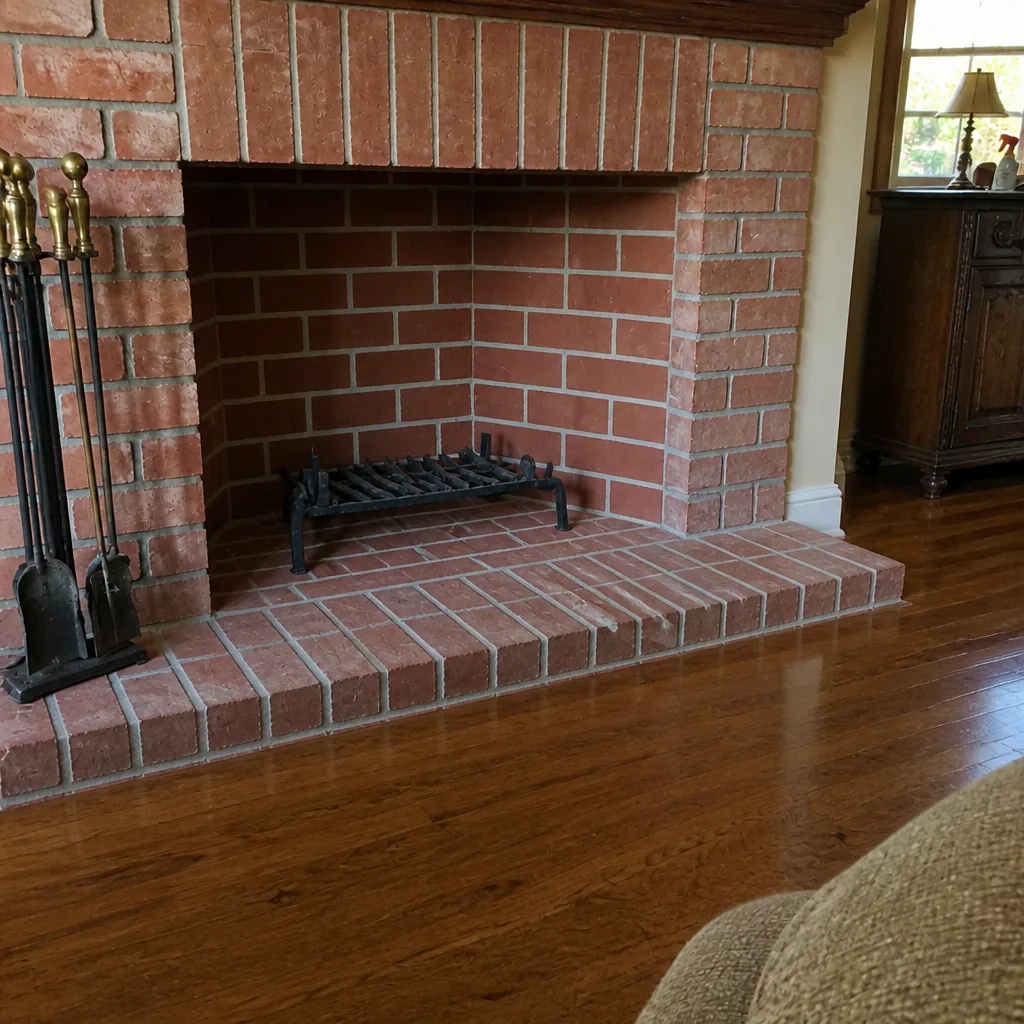
See the difference
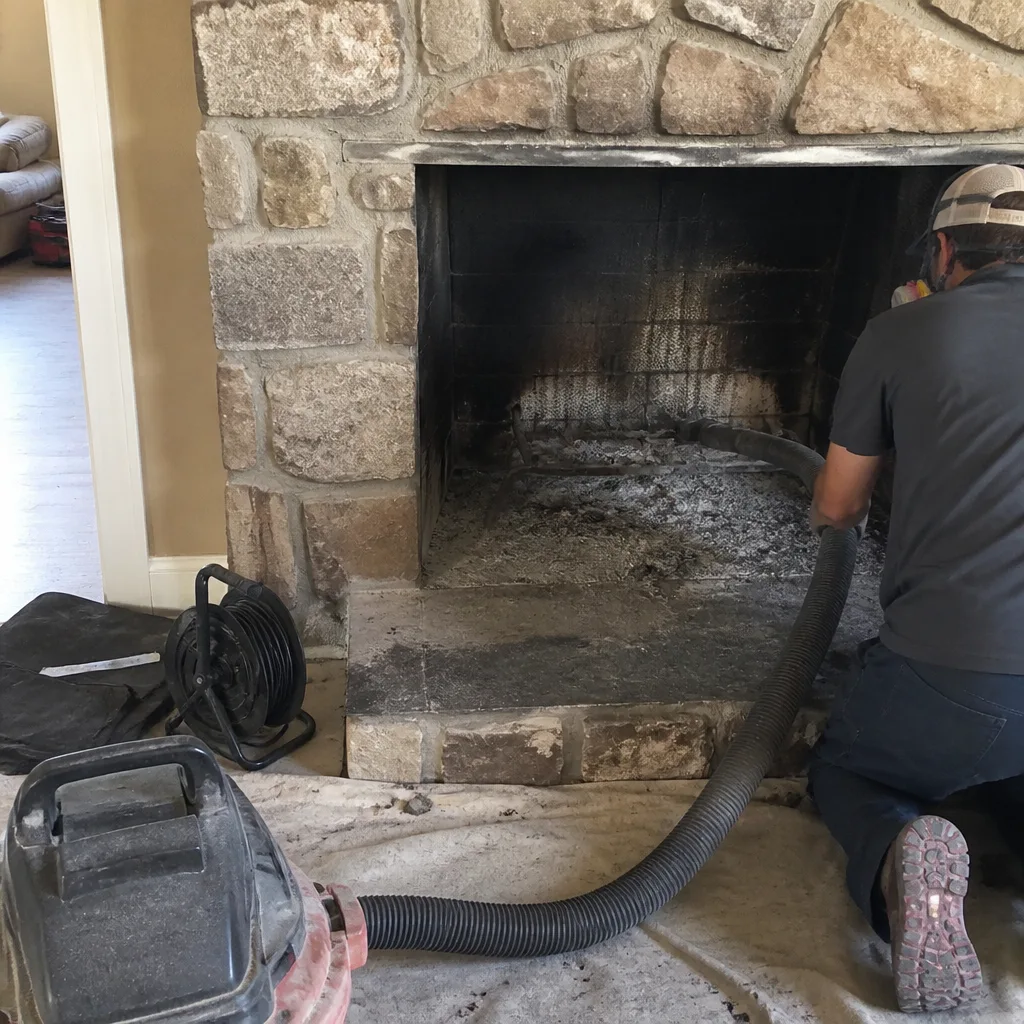 Before
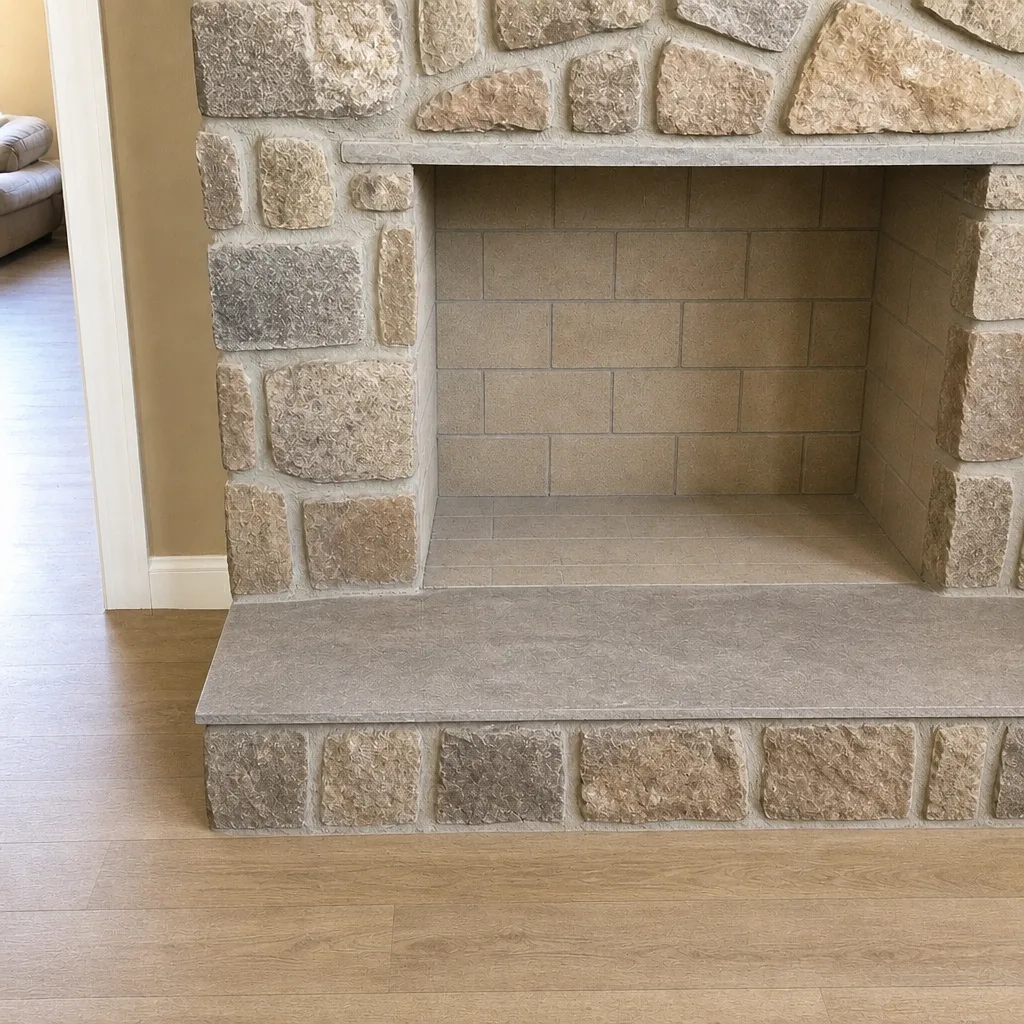 After
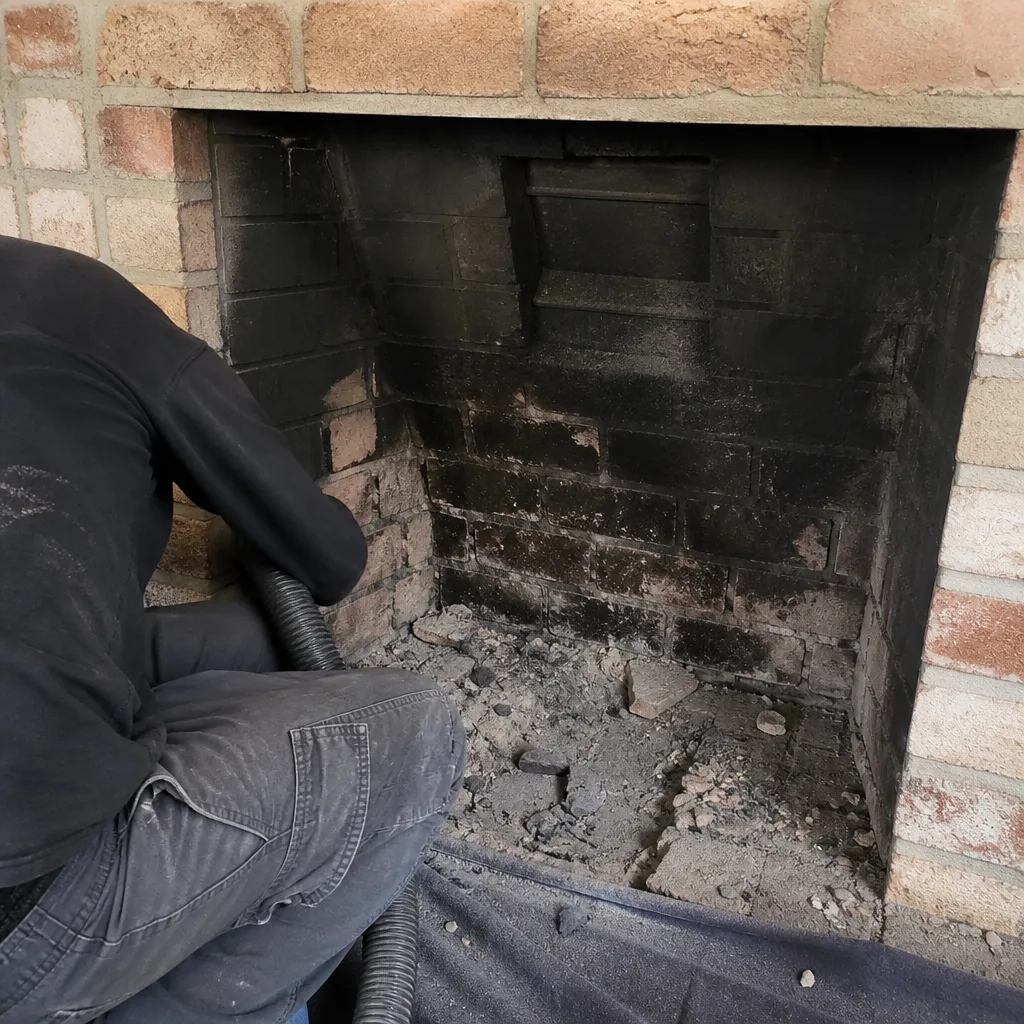
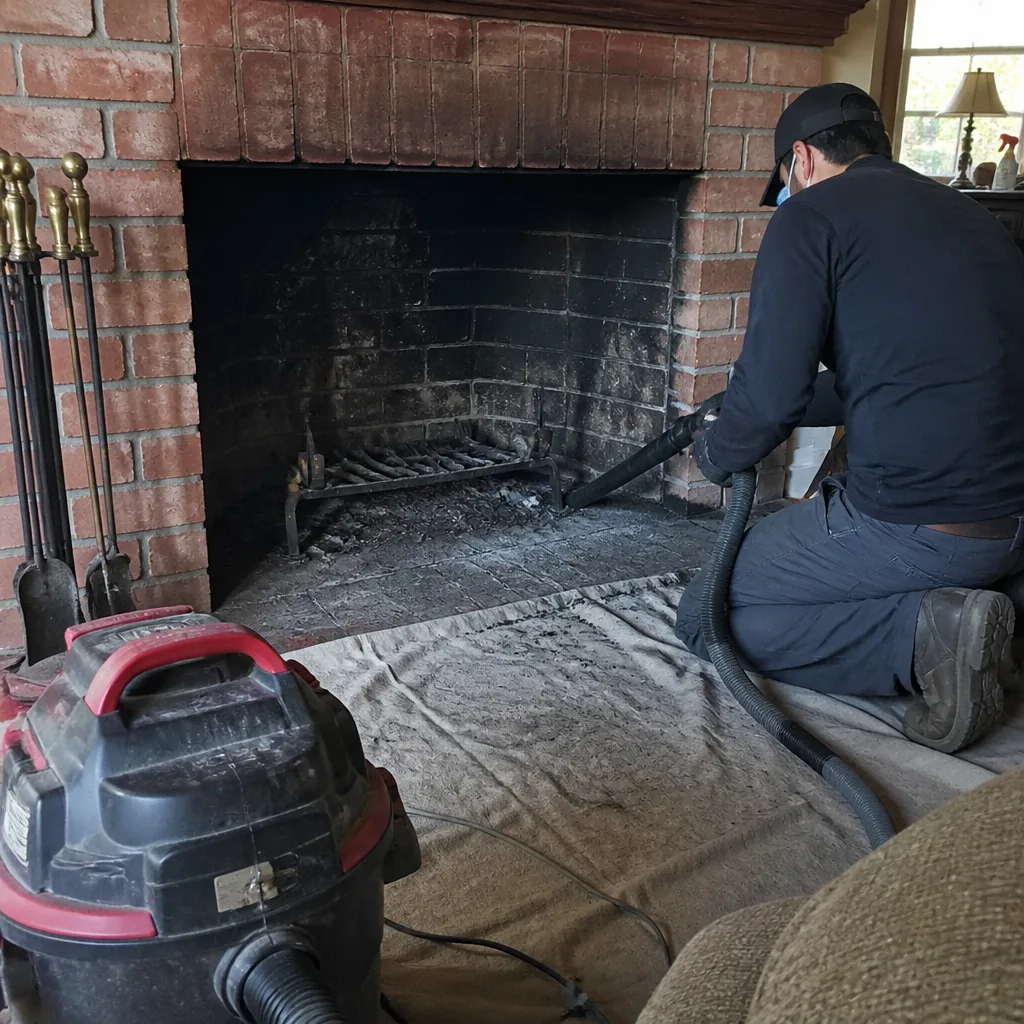 Before
 After
 Before
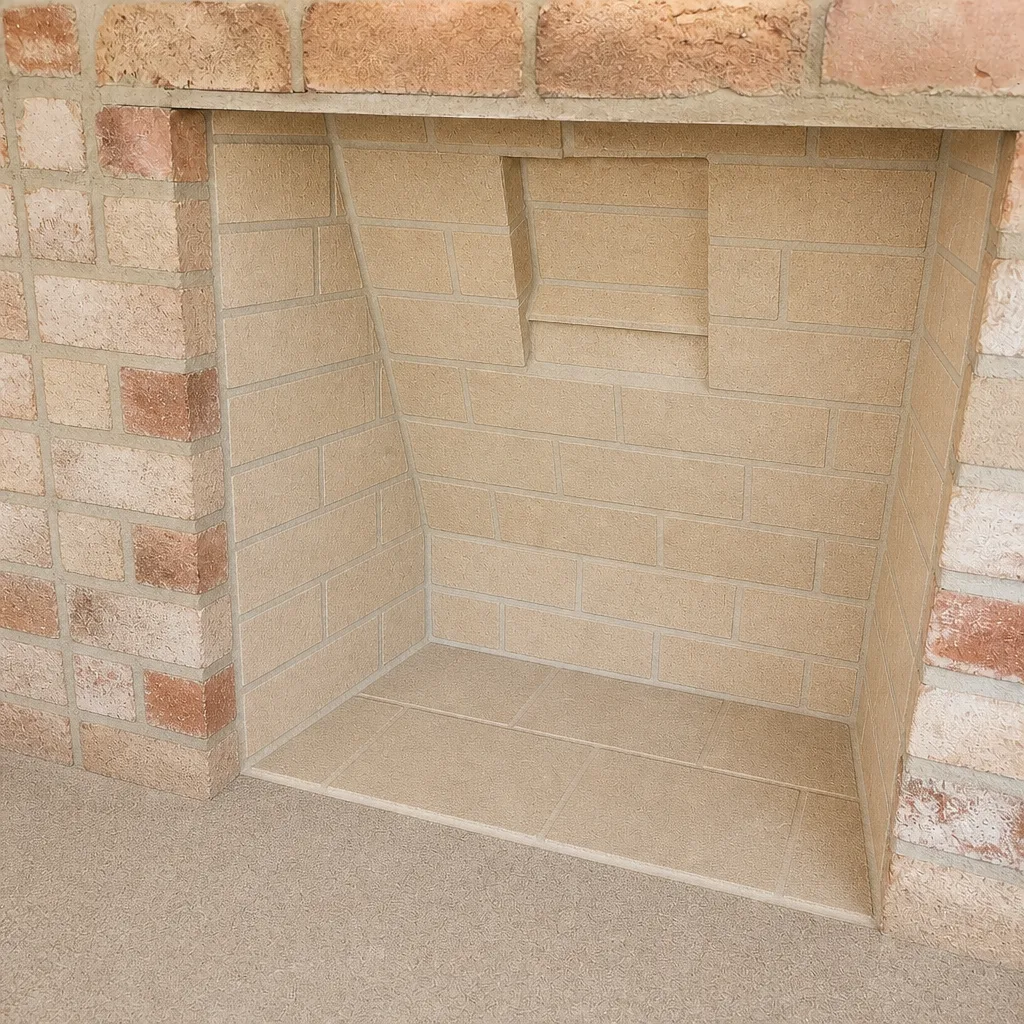 After
Common Mistakes to Avoid
- Chasing the lowest quote. A $99 sweep is usually a stripped-down scope with a camera upsell behind it. Ask what’s included and where the inspection stops before comparing numbers.
- Skipping the camera inspection. The brush only reaches what it reaches. A camera is the only way to see cracks, off-set tiles, and glazed creosote in the upper flue.
- Approving repairs without seeing the evidence. If a technician recommends liner work, ask for the video and the photos. If they can’t show it, don’t approve it.
- Assuming gas appliances don’t need inspections. Gas produces less creosote, but venting, connections, and the liner still need an annual check. The hazards change; the need doesn’t.
- Putting off the sweep because the fireplace rarely gets used. A dormant chimney still accumulates creosote and can still develop cracks. Dormant is not the same as clean.
- Letting a sweep-only company hand you off to a second contractor. When the sweep can’t do the repair, you pay twice in labor and coordination. We handle sweep, repair, and the component work together.
- Not asking about the dryer vent. If your dryer vent is overdue for cleaning, it’s a fire hazard on the same footing as a dirty chimney. Bundling it with the chimney visit closes both gaps in one appointment.
When to Call a Professional
Some chimney jobs are routine, and some are jobs no homeowner should attempt. Call us for any of the following: a chimney that hasn’t been swept in a year or more; a home you just bought with no documented chimney history; any smell of smoke in the house after a fire; visible damage to the crown, cap, or flashing; glazed creosote on the flue walls; a liner that’s cracked or showing gaps; or any chimney that’s had a fire inside it. High-tension components, mast work, and flue interiors are not the place for a homeowner’s ladder and brush. The repair costs on a chimney fire are far higher than the cost of an annual inspection. Fairfield Chimney Cleaning offers free estimates in Fairfield. Call (833) 946-3479. We answer 24/7. Fast dispatch from 7am to 7pm, Sunday through Friday.
Frequently Asked Questions
A basic chimney sweep in Fairfield typically costs $175 to $300. Adding a camera inspection and written photo report usually brings the total to $300 to $525, and the written estimate sets the final price. Roof access difficulty, liner type, and creosote stage are the main variables. Call (833) 946-3479 for an exact quote: estimates are free.
Not always. A new liner is warranted when the existing flue is cracked, offset, or beyond resurfacing, but HeatShield resurfacing can restore many deteriorated flue interiors at a fraction of the cost of a full relining job. You should only approve liner work after you’ve been shown the camera evidence. We can walk you through the footage before a decision is made. Call (833) 946-3479 and we’ll give you an honest read on which path is right.
Once a year for a wood-burning fireplace, and an annual inspection for gas appliances. Heavily used wood stoves often need more frequent cleaning. Recently purchased homes should get an immediate baseline inspection and sweep. If it’s been more than a year, book the sweep now. Call (833) 946-3479 for a free estimate.
Creosote builds up in stages, and unremoved glazed creosote is the most fire-prone state a flue reaches. A chimney fire can damage the flue interior and turn a routine cleaning into a liner or resurfacing job. Since a liner replacement typically runs $3,500 to $6,000, the annual sweep is the cheaper insurance by a wide margin. Call (833) 946-3479 to schedule yours.
Yes. Terra cotta tile, stainless flex liners, and HeatShield-resurfaced flues each require different tools and techniques, so the labor time differs. A quote that ignores your liner type hasn’t priced the job correctly. We work with DuraFlex for liner systems and HeatShield for resurfacing, so we can price and perform the work in the same visit. Call (833) 946-3479 for a free estimate.
Yes, and it’s usually the better call. Both are fire-safety systems and cleaning both in a single appointment closes both gaps without a second contractor visit. Our technicians have up to 12 years of experience across chimney and venting work. Call (833) 946-3479 and we’ll scope both together. This is one of the services at the heart of Fairfield Chimney Cleaning, and we’d rather handle both than send you elsewhere.
The Bottom Line
Chimney cleaning costs in Fairfield come down to scope and diagnosis, not the brush. A $175 sweep is fine if you know your chimney’s condition. A $350 to $525 sweep with a camera and written report is the right call if you don’t. The variables that move the price are liner type, creosote stage, roof access, and whether you’re cleaning or repairing. The most expensive path is skipping the annual sweep and ending up with a $3,500 to $6,000 liner replacement. Get the scope in writing, get the camera evidence, and get the work booked before the next burn season starts. The estimate is free, and the price is set by the written quote.
Call (833) 946-3479 for a free estimate. We answer 24/7. Fast dispatch from 7am to 7pm, Sunday through Friday. If you’ve already got a quote in hand, bring it with you and we’ll compare scope line by line so you know exactly what you’re paying for.
Written by the team at Fairfield Chimney Cleaning.