
Last updated November 15, 2026
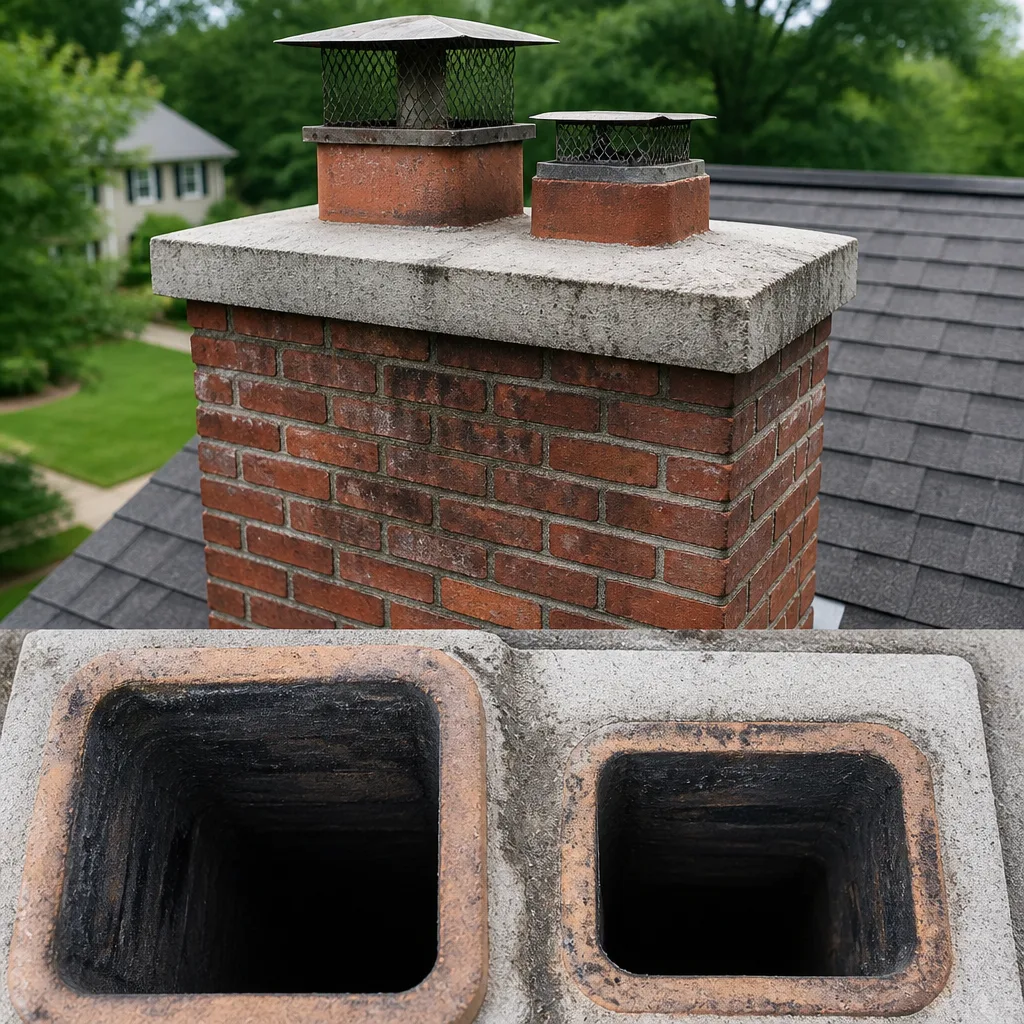 Sweep & inspection
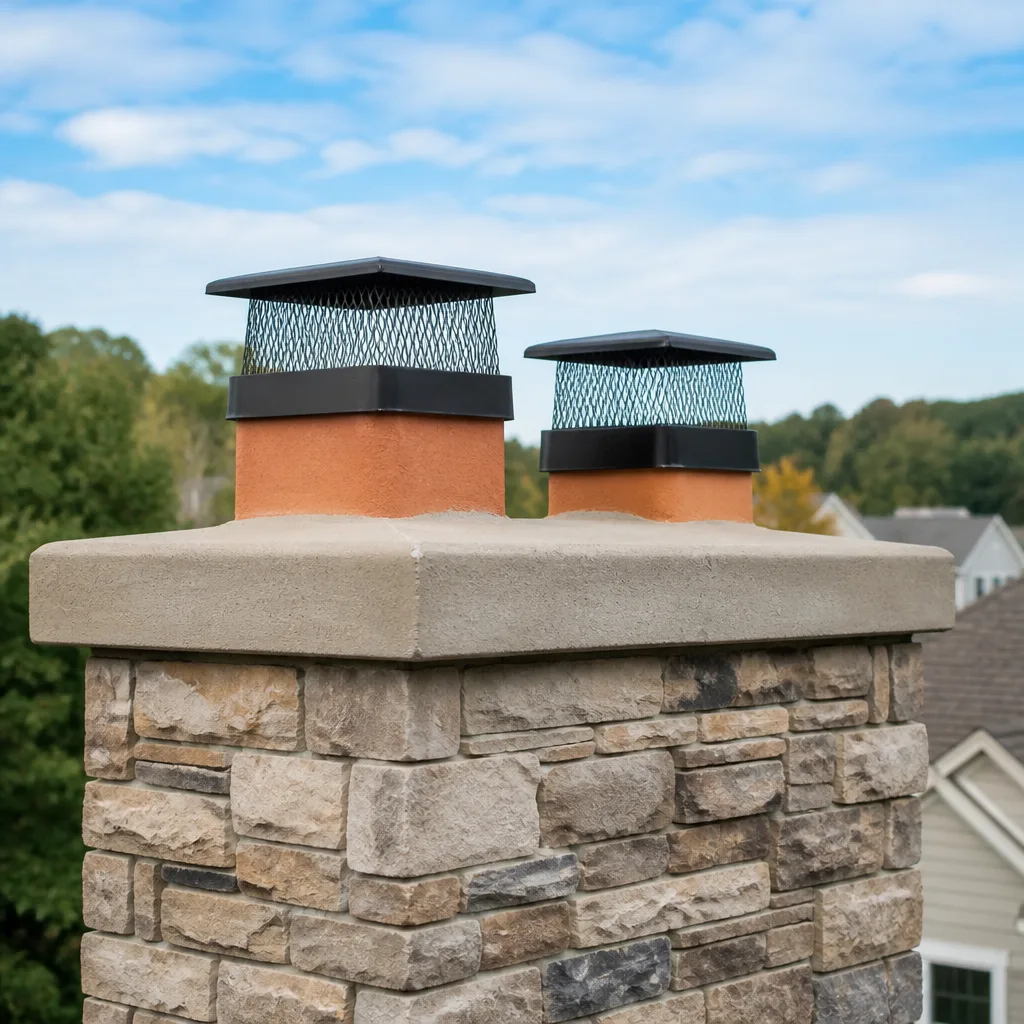 Caps & crowns
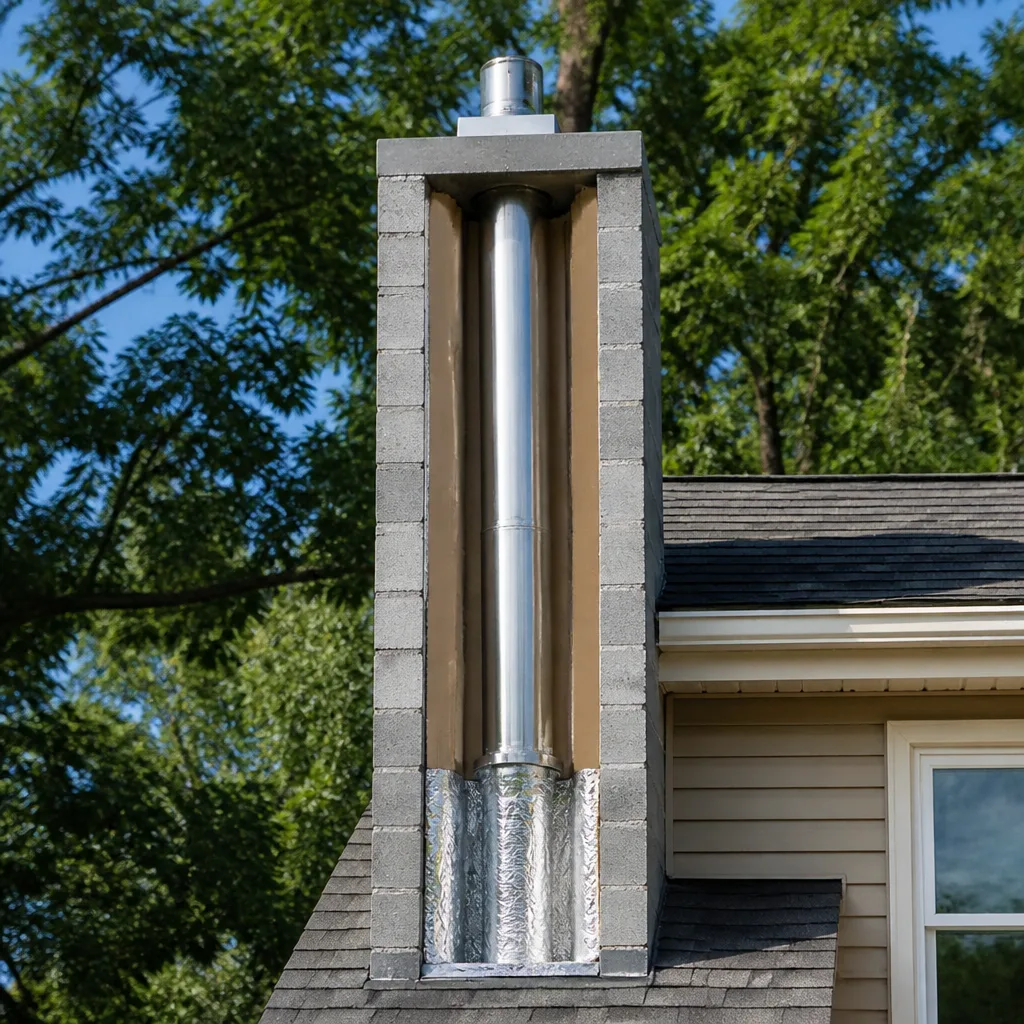 Flue relining
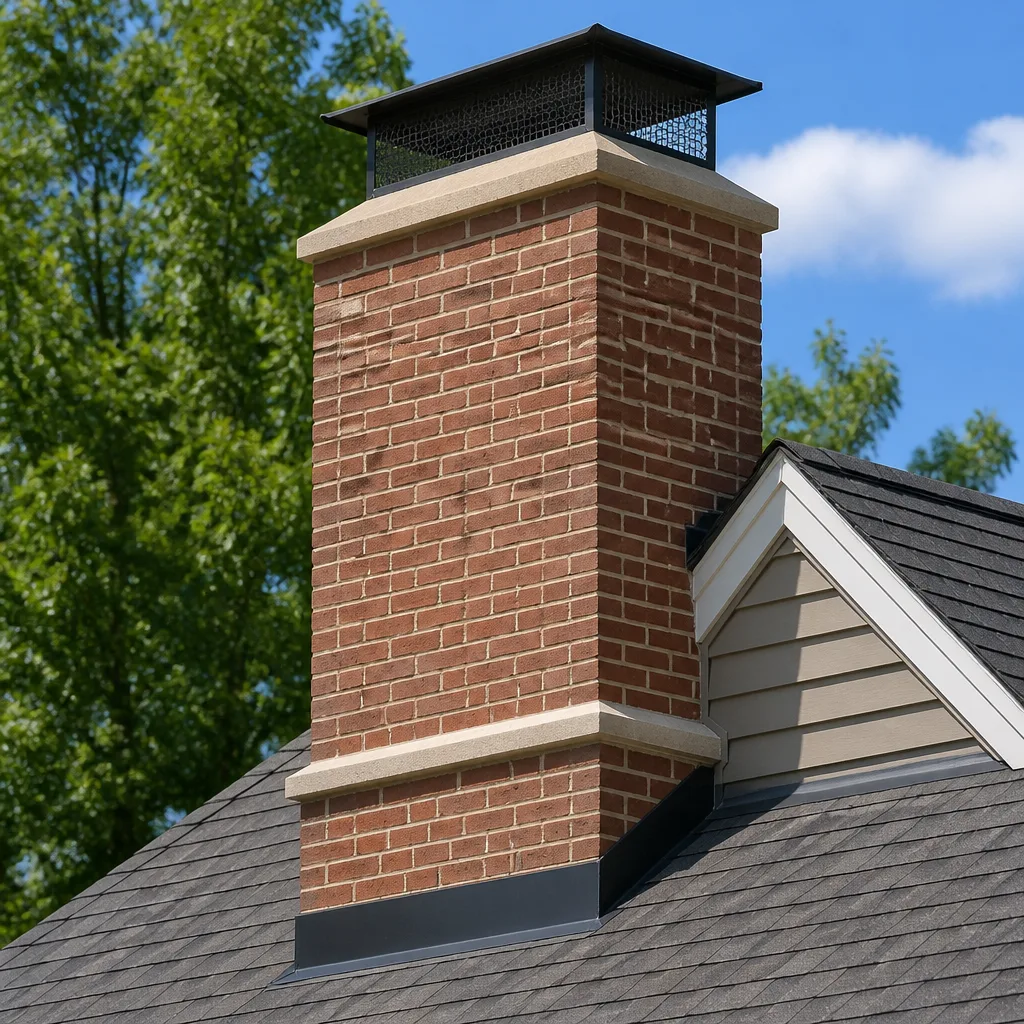 Masonry repair
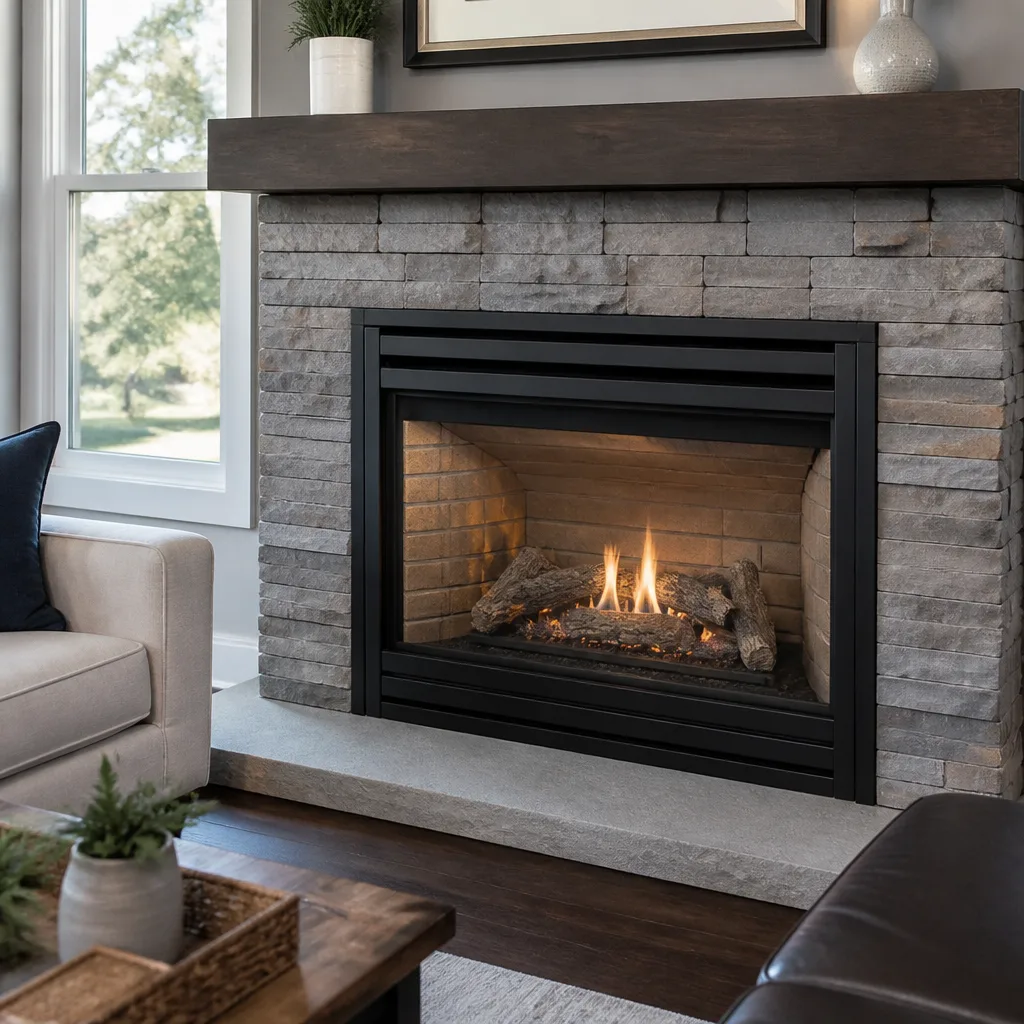 Gas fireplace service
Level 1 sweep and inspection to the NFPA 211 annual standard - flue, crown, cap, and flashing checked and photographed
Chimney sweep logs do not sweep chimneys. They loosen some creosote - which then falls where a brush and vacuum still have to collect it.
Seasonal Chimney Cleaning Care for Fairfield: Year-Round Homeowner’s Guide
Most homeowners here book their sweep in October, right when the first cold snap hits. By then, wildfire smoke has been drifting through Fairfield for months, and whatever it left inside your flue has had all summer to settle and harden. The traditional chimney calendar was built for cold-climate markets with long, hard winters. Fairfield doesn’t work that way. Our burn season is short and mild, our smoke season is long, and Tule fog rolls in for a stretch every winter. This guide lays out a maintenance rhythm built around how Fairfield actually lives, so you can plan cleaning, inspection, and repairs around the real conditions your chimney faces.
Quick Answer
In Fairfield, the best time to schedule chimney cleaning is late August or early September, after wildfire smoke season ends but before you light the first fire, so summer deposits come out before they’re baked on by fall heat. From there, a simple rhythm works: inspect the cap and chase in summer, clean and check creosote in spring, and watch the crown and mortar through the fog months. Annual cleaning remains the baseline, but the timing matters as much as the frequency.
Styles & brands we work with
- Sweep & inspection
- Caps & crowns
- Flue relining
- Masonry repair
- Gas fireplace service
Table of Contents
- Why Fall Is the Wrong Month for a Fairfield Chimney Sweep
- Why Late August and Early September Are the Sweet Spot
- What Tule Fog Does to Your Chimney Between November and February
- Summer Tasks: Caps, Debris, and Nesting Birds
- Spring Tasks: Creosote Stages and Why Timing Matters
- Managing a Wood Fireplace During Spare the Air Days
- The Fairfield Year-at-a-Glance Maintenance Calendar
- Your Dryer Vent Follows the Same Seasonal Logic
Why Fall Is the Wrong Month for a Fairfield Chimney Sweep
Chimney cleaning schedules in cold-climate markets assume the fire burns hardest from November through March and sits idle through summer. Fairfield’s pattern is the opposite. Summer is when the air carries smoke from regional wildfires, and that smoke travels through the same flue your fireplace uses. It doesn’t burn off. It settles on the flue walls as fine, acidic particulate, and it sits there until someone sweeps it out.
When you wait until October, you’re cleaning a flue that has spent four months collecting that layer, and you’re doing it during the busiest booking window of the year. In our experience, autumn appointments fill first and leave the least flexibility for anything the inspection turns up.
There’s a second problem. Creosote left in a flue through the hot months goes through cycles of heating and drying that make it harder to remove. A spring sweep catches deposits while they’re still soft. A late-fall sweep often arrives at something closer to glaze.
Fairfield’s housing stock adds another wrinkle. Many homes in neighborhoods like Cordelia and Green Valley were built decades ago, and the flues in those houses have often gone years without inspection. If your home falls in that group, the first question isn’t the calendar; it’s what shape the flue is in after all those years. Fairfield Chimney Cleaning starts every job with a look inside before any sweeping begins.
A chimney is a system. The flue, the cap, the crown, and the firebox all interact, and the season you choose to service them determines what you find. Fall servicing tells you what summer left behind. Late-summer servicing tells you what the whole year left behind, with enough time to fix it before you need the fireplace.
Why Late August and Early September Are the Sweet Spot
If you schedule one thing from this guide, schedule this: a cleaning and inspection in late August or early September. Wildfire smoke season is largely behind you by then, the long summer dry stretch has ended, and the burn season hasn’t started. You get a flue that’s emptied of the season’s deposits right before you ask it to carry fire again.
Here’s what that timing gets you:
- Acidic smoke residue from summer comes out before it’s exposed to fall heat cycles.
- Any repair the inspection finds, from a cracked crown to a failed cap, gets done before you need the fireplace instead of after the first cold week.
- Booking is easier than in the October rush, so there’s room for a follow-up if the flue needs resurfacing or a new liner.
- You go into burn season knowing the flue’s condition, not guessing at it.
This matters most for homes where the chimney’s history is unknown, particularly recent purchases. A buyer who closes in July doesn’t know whether the previous owner ever had the flue looked at. A late-summer sweep and inspection gives you a documented baseline: what’s in the flue, what shape the cap and crown are in, and what, if anything, needs attention before cold weather.
We plan every appointment around what the inspection finds. If the flue needs more than a sweep, we tell you what we found and what it costs to fix it before we touch anything. One crew handles the sweep, the inspection, and the repair, so nothing gets handed off to a second company to finish.
What Tule Fog Does to Your Chimney Between November and February
Tule fog settles into the Fairfield area for stretches each winter, and it does more to a chimney than most people realize. Fog is moisture, and moisture is the slow enemy of every masonry chimney. The parts that suffer most are the ones exposed on top.
The crown is the concrete or mortar cap at the top of the chimney, and it’s designed to shed water away from the flue. Fog keeps the crown damp for days at a time. Small cracks that would dry out in a sunny climate stay wet, widen, and eventually let moisture into the chimney structure. Once it’s inside, it finds the mortar joints.
Mortar joints between the bricks are the chimney’s structural glue. When they stay damp, they soften and crumble. A joint that fails near the top of the chimney lets water travel downward, and the problem compounds with each fog season. Exposed steel components, like the damper assembly and any metal chase parts, also collect condensation through these months. Rust on those parts isn’t just cosmetic; a damper that seizes or a chase that rusts through changes how the chimney drafts.
This is why a winter walk-around is worth the ten minutes. From the ground, you can look for:
- Visible cracks or crumbling at the top of the chimney.
- Rust streaks on the chase or metal components.
- A cap that’s loose, tilted, or missing screens.
- White staining on the masonry, which can signal moisture moving through the brick.
None of these need immediate panic. They do need a professional look, because a crown that’s failing can usually be repaired, and a repair is cheaper than waiting for the structure beneath it to go. A complete chimney sweep visit at the end of the fog season tells you exactly what the wet months did.
Summer Tasks: Caps, Debris, and Nesting Birds
Summer is the season most homeowners forget about the chimney entirely, and it’s the season when the chimney is most exposed. The flue cap sits on top of your house collecting whatever the wind delivers: twigs, leaves, and the fine debris that blows around during the dry months. A partially blocked cap reduces draft, and a fully blocked one turns your fireplace into a smoke problem the first time you light it in fall.
Summer is also nesting season. Starlings and swifts are common around Solano County, and an uncapped or poorly screened flue looks like a safe cavity to them. Birds build nests in flues, and the nest becomes an obstruction. It’s also combustible, which is the part that matters most. A nest in the flue combined with a fire below it is one of the avoidable causes of chimney fires.
Here’s what to check in summer, in order:
- Look at the cap from the ground. Is it straight, intact, and screened on the sides?
- Note any debris visibly sitting on top of the cap screen.
- Listen for bird activity near the chimney top during the day.
- Check for staining or cracks that weren’t there last season.
- If anything looks off, book an inspection before fall, when the answer can still be a small repair.
If you find a nest or debris, don’t try to clear it from below. A sweep and inspection clears the flue safely and confirms nothing else is lodged inside. We fit caps and venting components from professional lines like Famco and Copperfield because the cap is the part that keeps all of this from happening again. The right cap, properly screened and properly attached, solves the nesting problem for years, not one season.
One more summer note: check your firebox for leftover ash from last season. Ash left sitting through the humid months holds moisture against the firebox floor. Clearing it after the burn season ends is a small task that protects a part of the chimney that’s expensive to rebuild.
Spring Tasks: Creosote Stages and Why Timing Matters
Spring, right after the burn season closes, is when you want to deal with creosote. Creosote forms on flue walls from incomplete combustion, and it passes through stages. Fresh creosote is soft and flaky, and it sweeps out easily. As it’s exposed to heat and time, it hardens into a crust. In its most advanced stage, it glazes into a shiny, hard layer that adheres tightly to the flue wall.
The practical difference is simple. Soft creosote comes out with standard sweeping. Glazed creosote doesn’t, and it needs more than a brush. Waiting until fall means the summer heat has had months to bake deposits harder, so a spring sweep is easier on the flue and cheaper to complete.
Spring is also when a full inspection pays off, because you have the whole summer to schedule repairs without pressure. The inspection should cover:
- Creosote stage: how much is there, and whether it’s soft, crusted, or glazed.
- Flue interior condition: cracks in the tile or liner that need attention.
- Crown and cap: what winter did to them.
- Damper and firebox: function and condition of the steel components.
When the inspection turns up a deteriorating flue interior, there are more options than a full relining. HeatShield resurfacing restores a compromised flue interior from the inside, which addresses the problem without the cost of a complete liner replacement. Not every flue qualifies, and the only way to know is a look inside. What we won’t do is recommend a repair you can’t see the reason for. We show you what we found.
For flues that do need a liner, DuraFlex liner systems are built for the job, and they’re the kind of professional-grade product most sweep-only companies don’t carry. That’s the gap we’re built to close: the company that cleans your chimney is the same one that can specify and install what it needs.
Managing a Wood Fireplace During Spare the Air Days
Spare the Air days are a regular part of life in the region, and they create a real question for anyone who heats with wood: what do you do when you can’t burn? The honest answer depends on the system.
For a wood-burning fireplace, an approved gas log set or a gas fireplace insert lets you keep the room warm without wood combustion on restricted days. If your fireplace is wood-only, the answer is to not burn and to use the day for maintenance instead. Cool ash, check the cap, inspect the firebox.
What you want to avoid is burning improperly the rest of the season. Incomplete combustion is what creates creosote, and a wet log or a choked damper is a fast way to build it. Three habits keep combustion cleaner:
- Burn seasoned wood. Dry wood burns hotter and cleaner than green wood.
- Don’t overload the firebox. A hot, steady fire beats a smothered one.
- Confirm the damper opens fully before you light anything.
A cold flue is another cause of incomplete combustion. Warming the flue before lighting helps draft pull smoke up and out rather than letting it settle. And if you see smoke rolling back into the room, stop. That’s the chimney telling you something is blocked or drafting poorly, and the fix is an inspection, not a workaround.
The Fairfield Year-at-a-Glance Maintenance Calendar
Here’s the whole rhythm in one place, built for Fairfield’s seasons:
- Spring (after the burn season closes): Schedule the annual sweep and inspection. Deal with creosote while it’s soft. Plan any repairs with the whole summer ahead. Clear the firebox of leftover ash.
- Summer: Check the flue cap from the ground. Watch for nesting birds. Note debris on the cap screen. Book any repairs the spring inspection recommended.
- Late August to early September: The main event. Sweep and inspect after wildfire smoke season and before burn season. Confirm the flue is clean and sound before you need it.
- November through February: The fog months. Watch the crown, mortar joints, and exposed steel from the ground. Burn dry wood and keep the damper working. Book a professional look if staining or cracking appears.
- Year-round: Clean the dryer vent on its own schedule and never let lint build up.
If the calendar had to be compressed into a single sentence: sweep in late summer, inspect in spring, watch through the fog. That’s a maintenance rhythm that matches a Fairfield year instead of a New England one.
If you’re in a home where the chimney’s condition is unknown, treat the first appointment as a baseline rather than a routine. The first visit establishes what you’re starting with. Every visit after that is maintenance. We work across Fairfield and the surrounding area, and the goal is the same on every street: an honest answer about what your flue needs and nothing beyond it.
Your Dryer Vent Follows the Same Seasonal Logic
A dryer vent is a fire-safety system for the same reason a chimney is. Lint is fuel, heat is the ignition source, and restricted airflow builds both. The seasonal logic holds, too: the vent collects lint all year, and the buildup you don’t clear is the buildup that matters.
Year-round habits matter more here than a single appointment:
- Clear the lint screen before every load, not once a week.
- Check behind the dryer periodically for lint that escapes the screen.
- Watch for clothes taking longer to dry, which signals restricted airflow.
- Check the exterior vent flap and make sure lint isn’t packed behind it.
The value of pairing services is that the same technician who looks at your chimney can look at your dryer vent in the same visit. It’s one appointment for two fire-safety systems. We handle dryer vent cleaning as a core service, not a referral to a second company.
Common Mistakes to Avoid
- Booking in October like everyone else. You’re paying for a cleaning that arrives after months of smoke deposits have settled and hardened, right in the busiest window of the year. Late summer is the smarter slot.
- Treating an inspection as a sales pitch. A real inspection shows you what’s inside the flue and explains what, if anything, needs doing. If a company recommends thousands of dollars of work without evidence you can see, ask questions.
- Running an uncapped flue through nesting season. Starlings and swifts are common in Solano County, and a nest in a flue is fuel where fuel shouldn’t be. A properly screened cap is the fix.
- Ignoring small cracks on the crown. Through the fog months, a small crack stays damp and widens. The repair is smaller in spring than it will be next winter.
- Leaving ash in the firebox all summer. Ash holds moisture against the firebox floor through the humid months. Clear it after the burn season ends.
- Burning wet wood or overloading the firebox. Both create creosote through incomplete combustion. Seasoned wood and a properly opened damper keep the flue cleaner.
- Forgetting the dryer vent. Lint buildup is the same kind of hazard as creosote, and the same annual habit addresses it.
See the difference
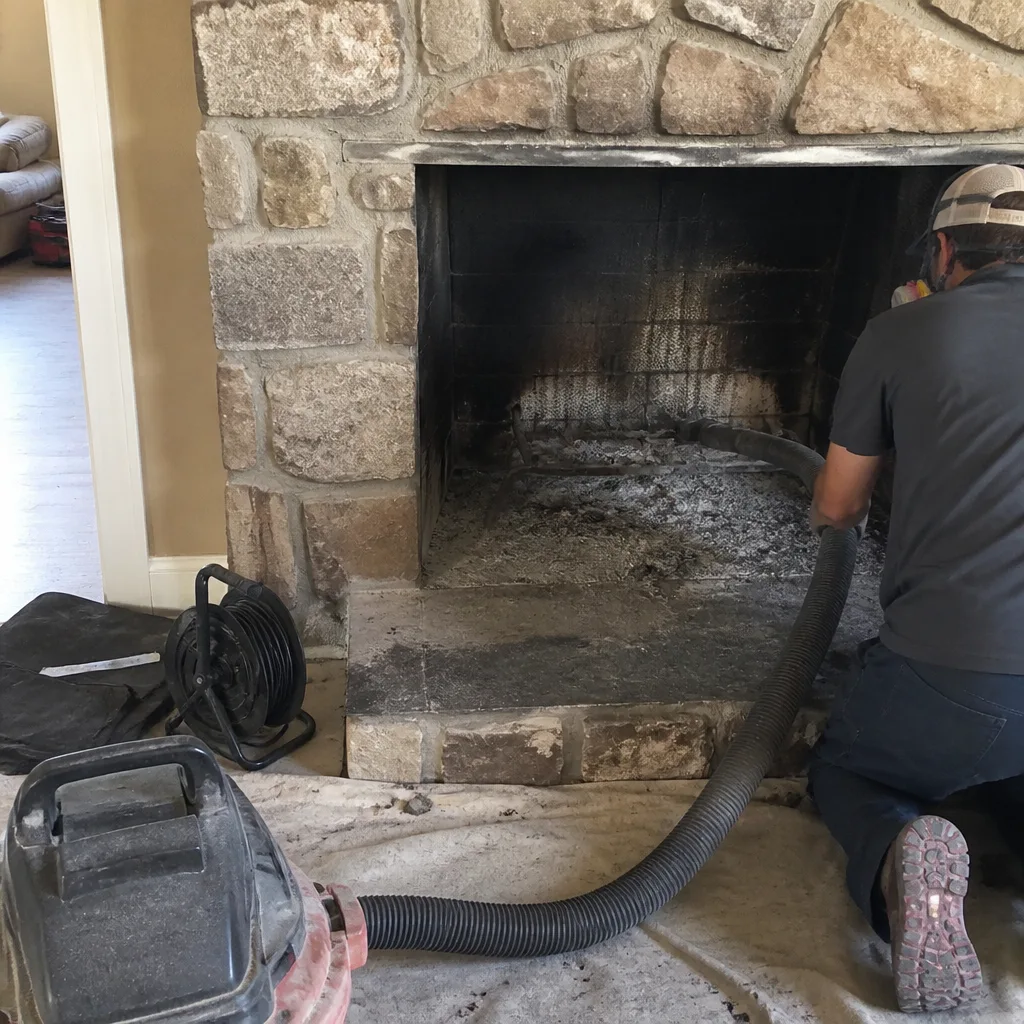 Before
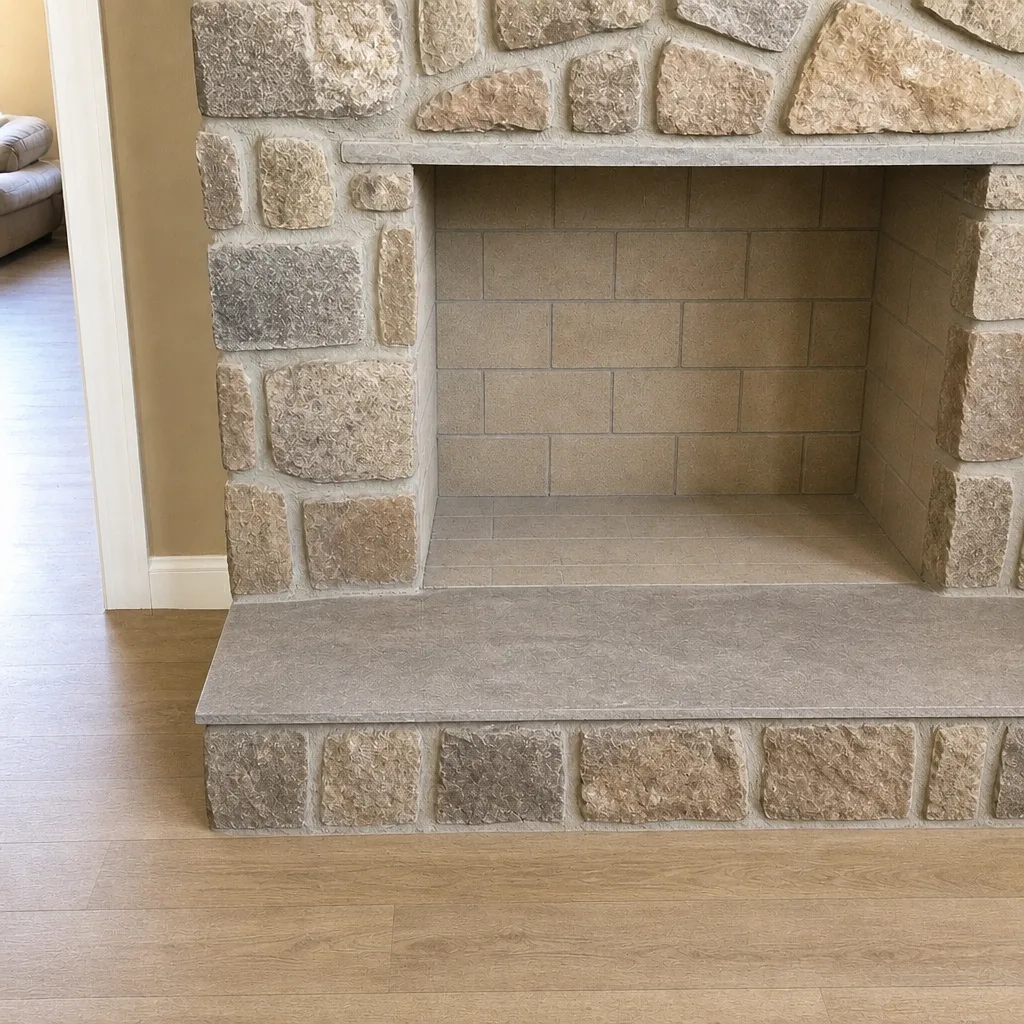 After
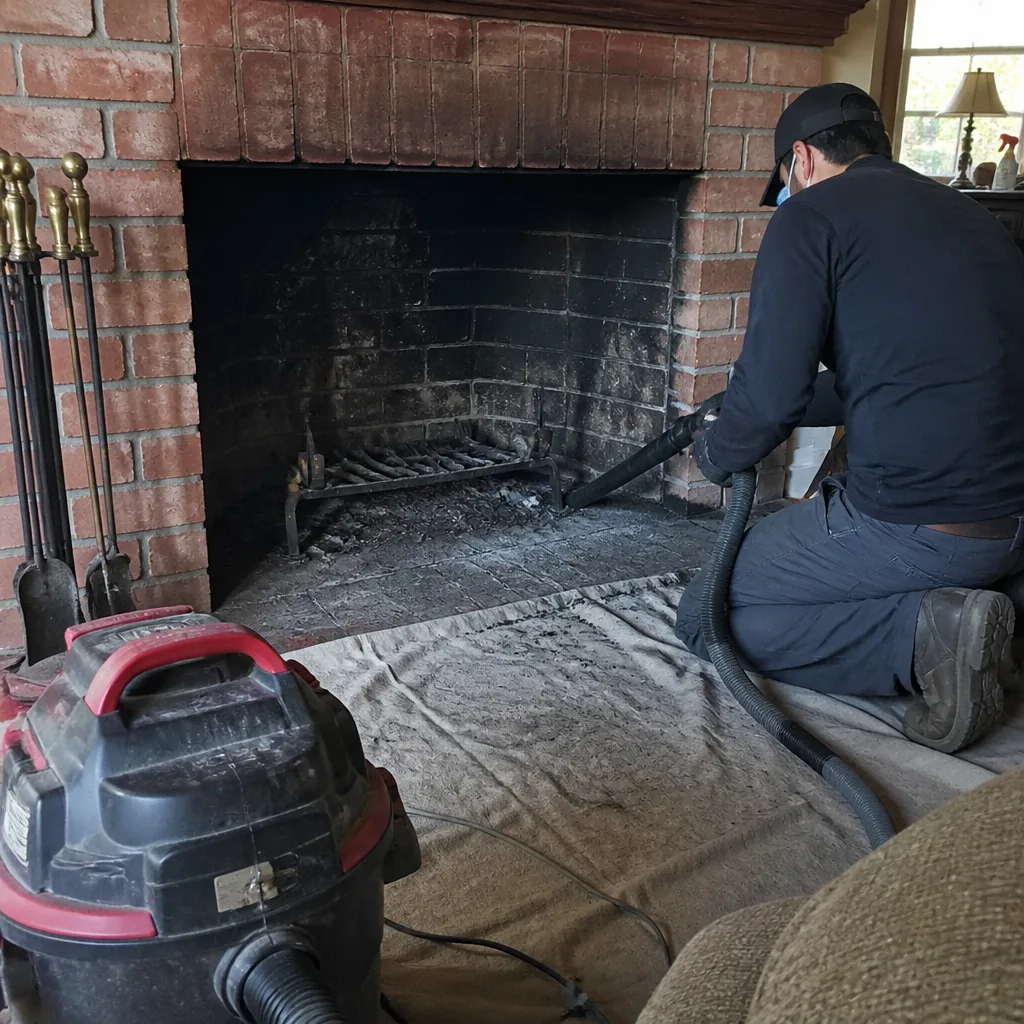 Before
 After
 Before
 After
When to Call a Professional
Call a professional for an annual sweep and inspection even if the fireplace seems fine. Book sooner if any of these come up: a nest or debris in the flue, cracking on the crown, rust on the damper or chase, smoke rolling back into the room, or the first burn in a home whose chimney history is unknown. A first cleaning after a home purchase is a baseline, and the right way to start a maintenance rhythm in a new house.
A blocked or failing chimney can create real hazards, including chimney fire and carbon monoxide risk, so don’t put off an inspection you know you need. Fairfield Chimney Cleaning offers free estimates in Fairfield. Call (833) 946-3479. We answer 24/7. Fast dispatch from 7am to 7pm, Sunday through Friday.
Frequently Asked Questions
Late August or early September is the best window, after wildfire smoke season ends and before burn season begins. Spring, right after the burn season closes, is the next-best slot. Fall is the worst timing both for the deposits and for booking availability.
Call (833) 946-3479 for an exact quote. Estimates are free.
Once a year is the standard baseline, with an inspection each time. If you burn heavily or your flue has known issues, check with a professional about a shorter interval. The seasonal timing matters as much as the frequency in Fairfield’s climate.
Not usually. Many flues that look like candidates for a full liner can be restored with HeatShield resurfacing instead. The only way to know is a look inside the flue, and you should see the reason for the recommendation before you agree to anything.
Call (833) 946-3479 for an exact quote. Estimates are free.
It keeps exposed surfaces damp for days at a time, which worsens small cracks on the crown and softens mortar joints. Steel components like the damper and chase collect condensation and rust. Ground-level checks through the fog months catch most of it early.
On a restricted day, use a gas option if you have one and keep the wood fire off. Use the day to check your cap and firebox instead. If your fireplace is wood-only, the safe answer is not to burn.
An uncapped or poorly screened flue looks like a safe cavity during nesting season, and starlings and swifts are common around Solano County. A properly fitted, screened cap from a professional line stops the problem. Don’t try to clear a nest from below; book a sweep.
The Bottom Line
Fairfield’s year doesn’t match the cold-climate chimney calendar most advice assumes. Sweep in late summer, after wildfire smoke season and before burn season. Handle creosote and any repairs in spring, while deposits are soft and the whole summer is ahead for scheduling. Watch the crown, mortar, and steel through the fog months, and keep the flue cap clear of debris and nesting birds through summer. Clean the dryer vent on its own rhythm. The goal through all of it is simple: you see what we find, you know what it costs before we touch anything, and you know when a repair can safely wait.
Get Your Chimney on a Fairfield Schedule
Whether you’re starting from a baseline inspection in a house you just bought or you want to move your annual sweep out of the October crunch, we can help. We work with DuraFlex liner systems, HeatShield resurfacing, and professional venting components from Famco and Copperfield. Call (833) 946-3479 for a free estimate. We answer 24/7. Fast dispatch from 7am to 7pm, Sunday through Friday.
Written by the team at Fairfield Chimney Cleaning.