
Last updated November 15, 2026
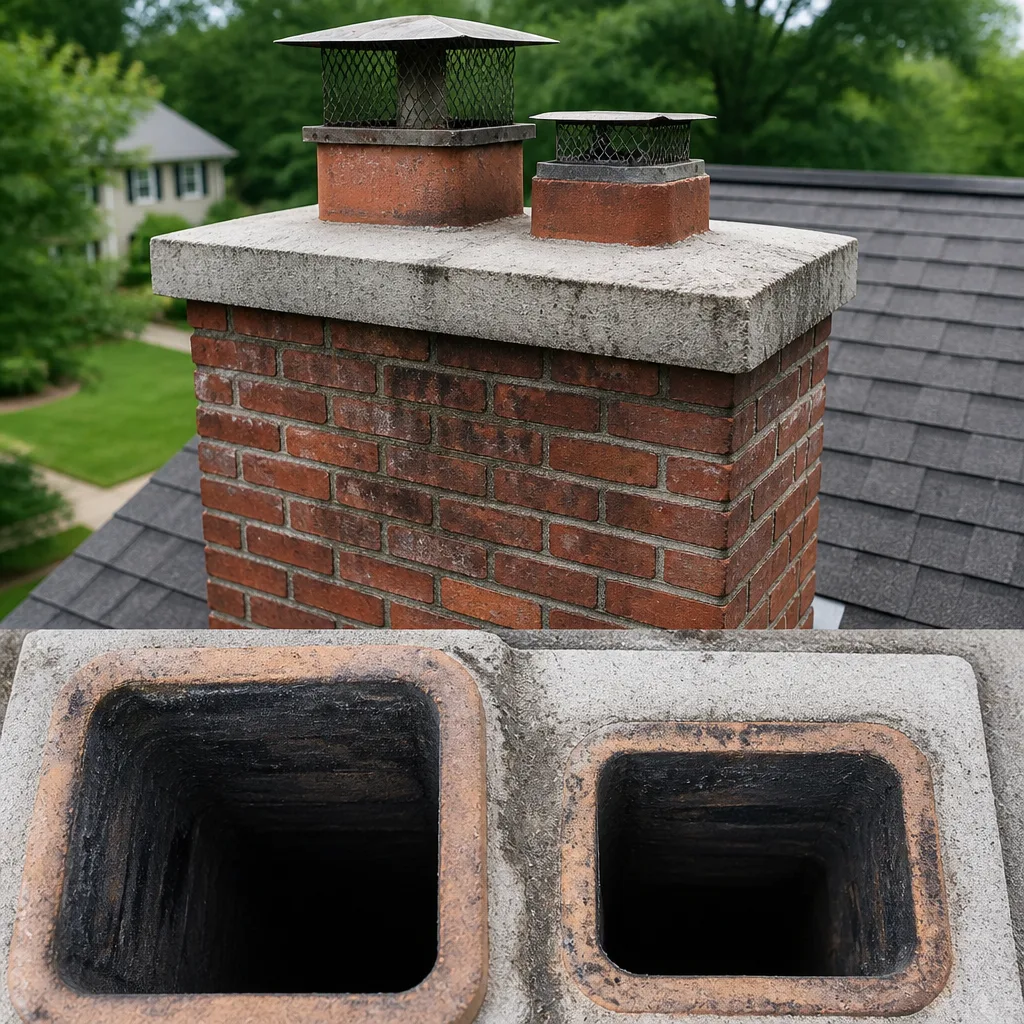 Sweep & inspection
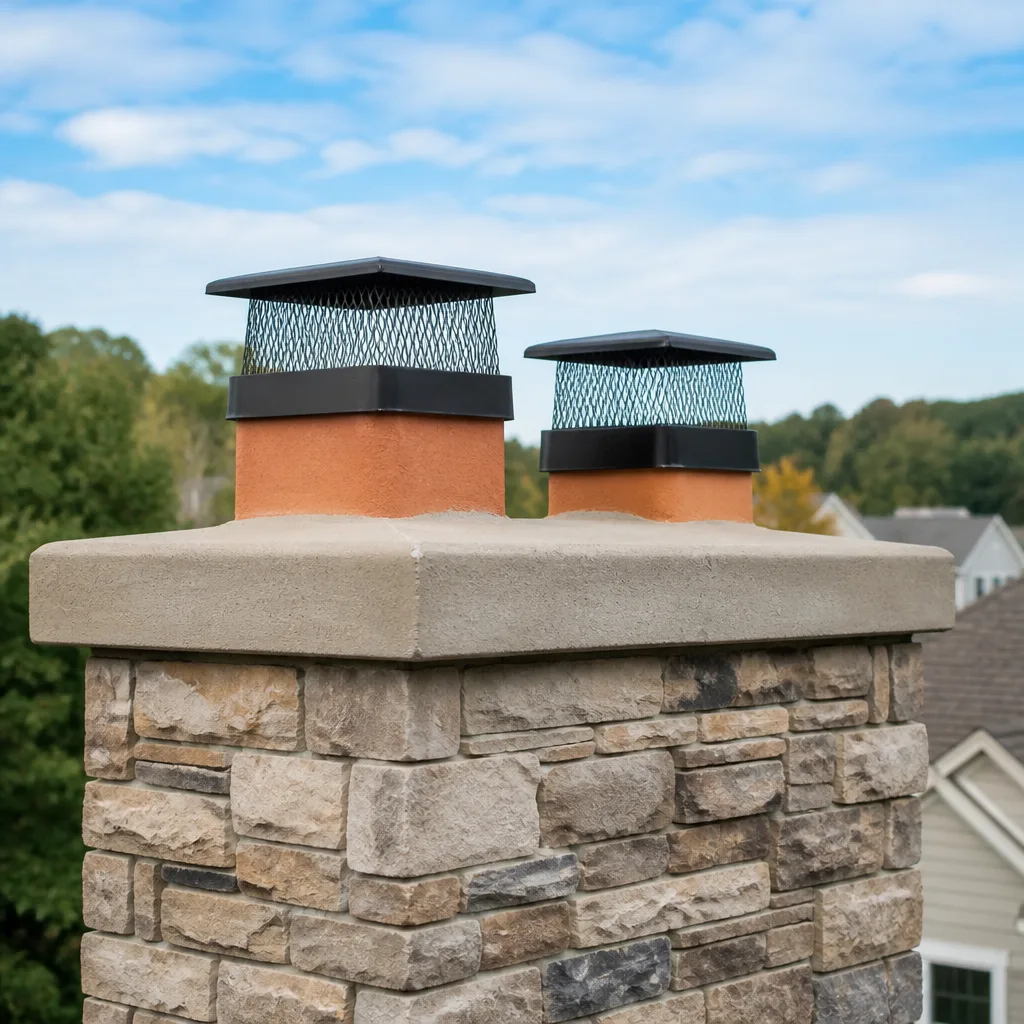 Caps & crowns
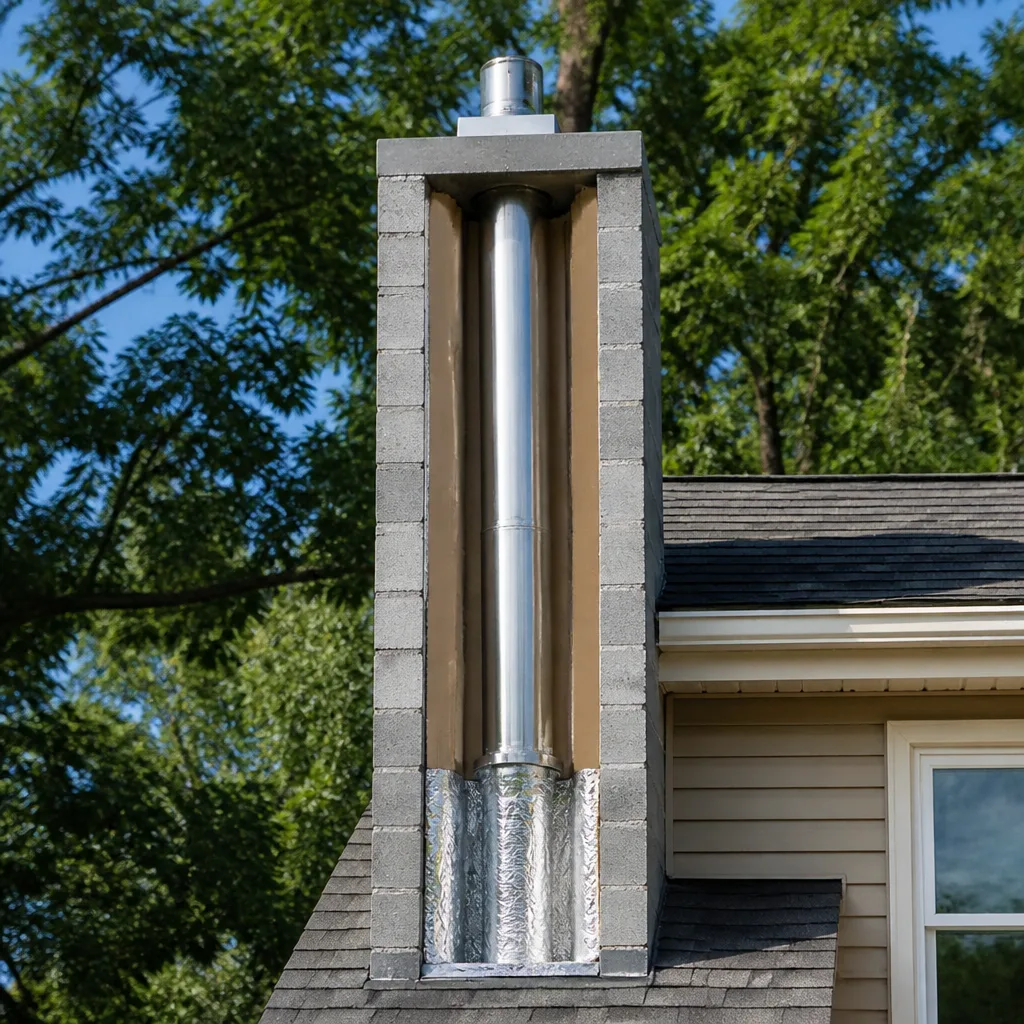 Flue relining
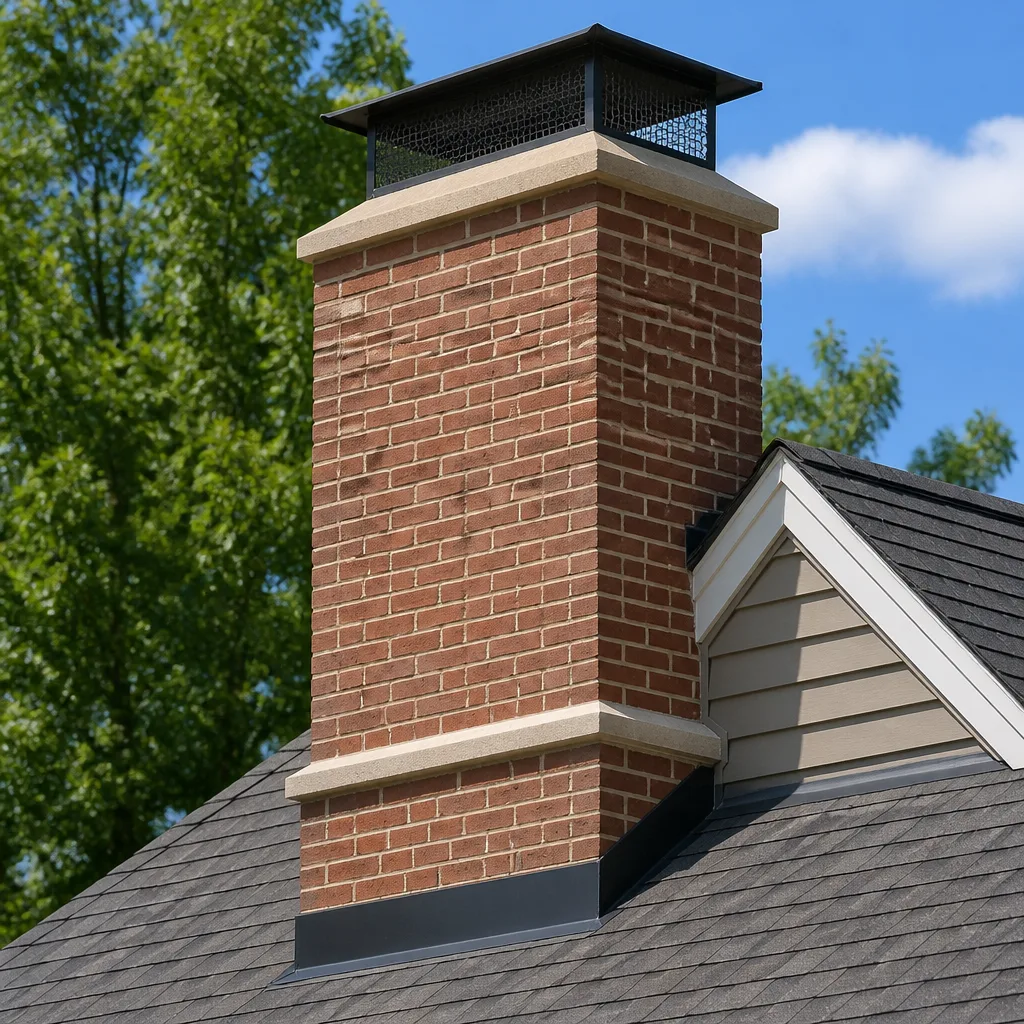 Masonry repair
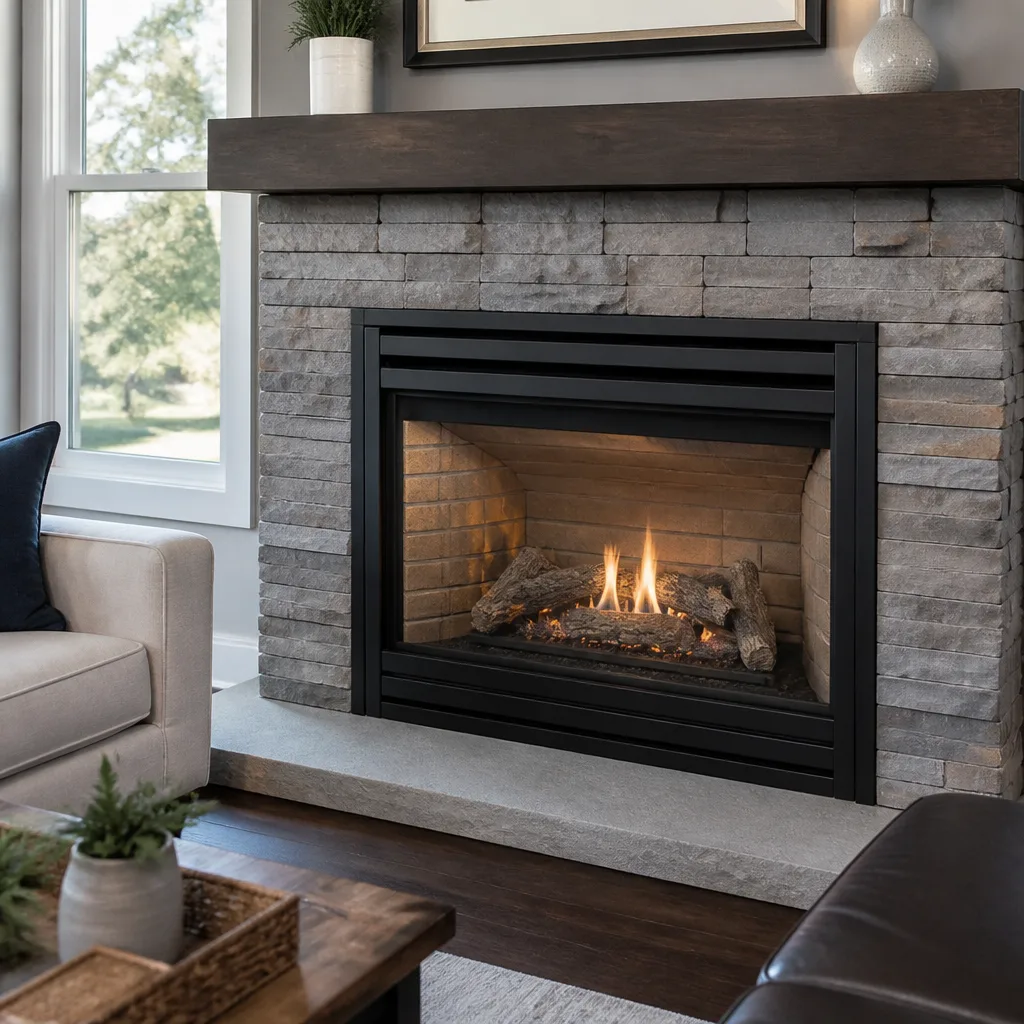 Gas fireplace service
Level 1 sweep and inspection to the NFPA 211 annual standard - flue, crown, cap, and flashing checked and photographed
Chimney sweep logs do not sweep chimneys. They loosen some creosote - which then falls where a brush and vacuum still have to collect it.
Chimney Cleaning Permits, Codes & Inspections in Fairfield, CA: What You Need to Know
Here’s the part of chimney work nobody explains before you hire: the sweeping almost never needs a permit, but the repair that follows it sometimes does. A flue liner that gets dropped in without a Solano County building permit can sit quietly in a house for years and then surface as a problem at resale, on a home inspection report, or worse, in an insurance claim after a chimney fire. The paperwork matters as much as the brush. In this guide we’ll walk through what triggers a permit in Fairfield, what the California Residential Code actually says about chimneys, how NFPA 211 fits into a local inspection, and how to pull a contractor’s permit history before you let them near your roof.
Quick Answer
Routine chimney cleaning in Fairfield doesn’t require a building permit. Structural and system work does: relining, firebox reconstruction, and installing a new gas insert or appliance typically need a Solano County permit pulled by the contractor. Chimney inspections themselves are never permitted, but the findings they produce often determine whether a permit is required for the repair.
Styles & brands we work with
- Sweep & inspection
- Caps & crowns
- Flue relining
- Masonry repair
- Gas fireplace service
Table of Contents
- What Work Requires a Solano County Permit?
- What California Residential Code R1003 Requires of Your Chimney
- How NFPA 211 and Local Enforcement Work Together in Fairfield
- The Three Levels of Chimney Inspection
- The Insurance Angle: Documentation After a Liner Repair
- How to Pull a Contractor’s Permit History in Solano County
- What Buyers and Sellers Need to Know Before Resale
- Scheduling Inspections and Sweeps in Fairfield
What Work Requires a Solano County Permit?
The cleanest way to think about it: cleaning, inspecting, and capping are generally permit-exempt, while anything that alters the structure or the flue system requires a permit. Fairfield falls under Solano County building department jurisdiction, and the permit counter there treats chimney work the same way most California jurisdictions do.
Here’s how the scopes shake out:
- Permit-exempt in most cases: a standard chimney sweep, a Level 1 or Level 2 inspection, camera work, a rain cap replacement on an existing flue, and minor cap or crown repairs that don’t touch the liner.
- Usually requires a permit: installing or replacing a flue liner (stainless or resurfaced), rebuilding a firebox or smoke chamber, changing the height of a chimney, installing a new gas insert or wood stove, and any work that changes the chimney’s structural footprint.
- Always requires a permit and often a separate mechanical permit: venting changes for gas appliances, and installation of new appliance categories that didn’t previously exist on the home.
The tricky one is relining. A homeowner hears “liner” and thinks it’s part of the sweep. It isn’t, and it’s the single most common trigger for a permit on a chimney job in Fairfield. When we resurface a flue with HeatShield, or install a DuraFlex liner for a wood-burning appliance, that work falls into the permit-required category.
Gas inserts: a permit trap
A gas insert installation is one of the most commonly under-permitted jobs in older Fairfield homes, mainly because the work is fast and the insert is delivered by a retailer who doesn’t always mention the building department. The insert needs both a building permit and, in many cases, a mechanical permit for the venting. California’s gas appliance venting rules apply on top of the local requirement, and inspectors do check whether the venting matches the appliance manufacturer’s listing.
If you’re not sure whether a job needs a permit, call us at (833) 946-3479 and we’ll tell you before you hire anyone. It’s a five-minute conversation and it can save a resale headache.
What California Residential Code R1003 Requires of Your Chimney
California Residential Code Section R1003 is the section that governs masonry and factory-built chimneys in one- and two-family dwellings. It’s what a Fairfield inspector will have in mind when they walk your roof. We always recommend homeowners read it once, because it explains why certain repair recommendations aren’t optional upgrades but code-minimum corrections.
The requirements most often relevant in Fairfield homes fall into three buckets:
- Clearances. R1003 sets how far a chimney must sit from combustible materials on the roof and at the penetration. Decks, roof sheathing, and nearby framing are the usual places we see a deficiency. If a chimney has been patched or rebuilt without respect to clearances, the inspector will flag it.
- Liner specifications. R1003 requires a flue liner, and it has to be listed for the appliance it serves. This is where brand and specification come in. A liner that isn’t listed for the appliance is a code failure, even if it functions. This is why we specify DuraFlex and Olympia Chimney liner systems rather than generic product: the listings are documented and inspectors can verify them.
- Cap requirements. A chimney needs a cap that keeps out rain and animals while still allowing the flue to breathe. We install Famco and Copperfield caps because they satisfy the code intent and hold up to the seasonal weather Fairfield sees.
Why the clearances catch so many homeowners by surprise
Most older Fairfield houses were built with chimneys that met the code when they were constructed. Twenty or forty years later, a room addition, a new roof, or a skylight can create a clearance problem the original builder never anticipated. When we inspect, we check clearances against current code, not just what was required when the home was built. That surprises some homeowners. It’s also the honest answer.
A deficiency in R1003 doesn’t always mean the chimney is unusable. It often means a specific repair is needed before the next burn season. We tell you what we find and what it costs to fix it, before we touch anything.
How NFPA 211 and Local Enforcement Work Together in Fairfield
NFPA 211 is the national standard for chimneys, fireplaces, vents, and solid-fuel-burning appliances. It isn’t a building code in the sense R1003 is; it’s the standard that technicians and inspectors use as the technical baseline. In Fairfield, a chimney inspector who works from NFPA 211 will typically look at the same items the county does, but with a fine-tooth comb.
What a qualified technician checks:
- Flue condition, including interior cracks and spalling that a camera can see and the eye can’t.
- Creosote accumulation and stage (there’s a difference between a light dusting and a glazed layer that needs to be removed before any repair work begins).
- The damper and smoke chamber, both of which affect how the fireplace draws.
- Connector and venting for any gas appliance.
- Clearances to combustibles at the roof line and at framing penetrations.
- Crown, cap, and flashing integrity.
The overlap between NFPA 211 and county enforcement matters because the findings feed the permit decision. A technician who documents a cracked flue, then recommends relining, is also creating the record that a permit is required. Homeowners sometimes ask us to skip the liner if the crack is small. We can’t, and we won’t, if the appliance is being used, because the whole reason that finding matters is that a compromised flue sends combustion products into the house instead of up it.
What an inspector actually checks on a Fairfield roof
If your chimney has been worked on recently and you want to pre-empt a building department visit, focus on what the county usually looks at: cap condition, liner continuity, clearances, flashing, and whether any appliance changes were permitted. Those five items catch the vast majority of compliance issues in Fairfield homes.
The Three Levels of Chimney Inspection
Inspection scope climbs from a quick visual walk to a full camera survey, and the level you need depends on what’s being serviced or discovered. CSIA-style inspection levels are the industry standard, and they map cleanly onto homeowner needs.
- Level 1: a visual examination of accessible portions of the chimney and appliance, done during a routine sweep. If you burn regularly and have no reason to suspect a problem, this is the right level. It costs the least and answers the most basic questions.
- Level 2: everything in Level 1 plus a camera inspection of the flue, the smoke chamber, and any accessible spaces around the appliance. This is the level required for a real estate transaction, after a chimney fire, after a seismic event, or after any change in appliance type. It’s also what we recommend for any home we’re seeing for the first time where the chimney’s history isn’t documented.
- Level 3: targeted access to concealed portions of the chimney, sometimes opening a wall or removing masonry, when a Level 2 finds evidence of a problem that can’t be diagnosed from the flue. This is uncommon, but it’s the honest answer when the question has to be resolved.
For a Fairfield homeowner buying a home where the fireplace hasn’t been used in years, Level 2 is almost always the right starting point. A camera inspection with a photo report tells you whether the liner is intact, whether the firebox has cracked, and whether you’re getting a working chimney or a project. The photo report also gives you something to hand to an insurer or a buyer if the question ever comes up.
The Insurance Angle: Documentation After a Liner Repair
Here’s where unpermitted chimney work costs real money. Most homeowners’ policies cover fire losses, but a claim tied to an unpermitted liner installation is where insurers start asking hard questions. In our experience, the paperwork is what gets examined after a loss, not just the chimney itself.
When a liner repair or cap replacement is completed, underwriters typically want three things in the file:
- The permit number and final inspection sign-off from Solano County.
- A written scope from the contractor showing what was installed, with the brand and specification identified (for example, a HeatShield resurfacing versus a full stainless liner).
- The camera inspection photo report from before and after the work.
This is why we include a photo report as part of a chimney inspection. It’s not a sales tool; it’s the documentation piece that makes the rest of the file defensible. It’s also why we work with HeatShield, Gelco, and Olympia Chimney: those product lines have documented listings and installation specifications that an underwriter or inspector can verify independently.
What happens if the prior work wasn’t permitted
If you buy a home and later discover the liner was installed without a permit, the fix is usually a retroactive permit and inspection, not a full teardown. Solano County handles these cases routinely when the work is visible and code-compliant. What matters is getting it documented before you have to file a claim, and before a buyer’s inspection flags it at resale. Call us and we can walk you through the retroactive process, or tell you when the repair can safely wait.
How to Pull a Contractor’s Permit History in Solano County
Almost no homeowner does this, and it’s the single highest-leverage step before you hire anyone for a chimney repair in Fairfield. The idea: check whether a contractor has a track record of pulling permits for the kind of work they’re proposing. A contractor who routinely skips the permit isn’t a bargain; they’re shifting the compliance risk onto you.
The steps:
- Note the contractor’s business name as it appears on their license.
- Look them up through the California Contractors State License Board to confirm the license is active and in the right classification.
- Contact Solano County’s building department to ask whether permits are on record for previous chimney work by that contractor.
- Ask for a written scope before work begins, and confirm in writing whether a permit will be pulled. If the answer isn’t a clean yes on permit-required scopes, walk away.
Two more things to ask: whether the contractor carries general liability insurance and workers’ compensation coverage, and whether they’ll give you the permit number in writing after it’s pulled. A contractor who can’t or won’t is one to pass on.
Why we raise it
We’re happy to be asked all four questions above. Our technicians have up to 12 years of experience, and the standard we hold ourselves to is that any job we’d expect the county to review, we pull the permit for. We’ll also tell you plainly when the scope is permit-exempt and no paperwork is needed.
What Buyers and Sellers Need to Know Before Resale
When a Fairfield home sells, a chimney that’s been repaired without a permit becomes a material defect disclosure, whether the seller knows it or not. Most home inspectors will flag the absence of a permit for visible liner or firebox work, and the buyer’s agent usually turns it into a negotiation. The clean solution is to have the work permitted when it’s done.
- Sellers: if you’ve had a liner or firebox rebuilt, keep the permit and the inspection sign-off with the rest of the home records. It’s a short document and it saves a lot of conversation later.
- Buyers: ask your inspector to check whether a permit was pulled for any chimney work visible in the disclosure package. A missing permit isn’t a reason to walk, but it is a reason to get a Level 2 inspection before you close.
- The middle ground: a Level 2 inspection with a camera photo report is the strongest evidence a buyer or seller can have that the flue is in good shape. It answers the question before it’s asked.
We work with a lot of Fairfield buyers and sellers going through this exact process. A licensed-and-insured team that can sweep, inspect, repair, and cap on one visit removes a lot of the back-and-forth.
Scheduling Inspections and Sweeps in Fairfield
The best time to book a chimney sweep or dryer vent cleaning in Fairfield is well before the burning season starts. A sweep done in advance is a cleaning; a sweep done after the first cool evening is a repair conversation, because everything is on fire and nobody can wait. We encourage homeowners to schedule in the shoulder season so there’s time for any repair that the inspection turns up.
That timing works well with Fairfield’s mild winters. We don’t have to worry about the freeze-thaw problems that hit chimneys in colder parts of California, but our seasons are also less forgiving of deferred maintenance, because a chimney that gets used through a mild winter still sees the same creosote load as one that gets used in a cold one. Regular scheduling keeps it manageable.
Fairfield has a wide spread of housing stock, and the age of the home usually determines the inspection level. Homes near downtown Fairfield, including the older blocks around Texas Street and the streets fronting the downtown corridor, often have masonry chimneys with decades of use and possibly deferred work. Newer construction throughout Fairfield, particularly in the rolling hillsides above the city and the planned subdivisions to the north and east, tends to have factory-built fireplaces where the liner and cap need to be verified rather than rebuilt.
If you’re in an older Fairfield home and you’ve never had a Level 2 inspection, that’s the starting point. If you’re in a newer home, a Level 1 during a standard sweep is fine unless you’re buying or selling.
Common Mistakes to Avoid
- Assuming the sweep includes a liner permit. It doesn’t. Ask in writing whether the work is permit-required and whether the contractor pulls the permit, or you’ll be the one explaining an unpermitted liner to a buyer.
- Trusting a cap installation without clearances checked. Fairfield roof lines change over the decades as additions and re-roofs happen. R1003 clearances need to be re-verified any time the chimney’s surroundings change, not just when the chimney itself was originally built.
- Skipping the photo report. A camera inspection without a photo report is a verbal opinion. You want documentation you can hand an insurer, a buyer, or the county. We include a photo report so the finding is on the record.
- Hiring a sweep-only operation for a repair. A company that identifies a cracked flue but can’t address it either refers you out (and the paperwork often slips) or does the repair outside their scope. We prefer to sweep, inspect, and repair with the same team, which keeps the permit and the report together.
- Using an unlisted liner. A cheaper liner that isn’t listed for your appliance may fit and may work, but it may also fail the code check at the county level and complicate the insurance file. Specification matters here more than in almost any other part of the chimney.
- Ignoring the dryer vent. Fairfield home fires aren’t only chimney fires. A clogged dryer vent is the same category of hazard as a dirty flue, and it’s worth scheduling alongside the sweep so it gets done.
- Assuming a prior permit exists because the work looks fine. A clean-looking install can sit on top of an unpermitted one. The permit history is a five-minute check and it settles the question.
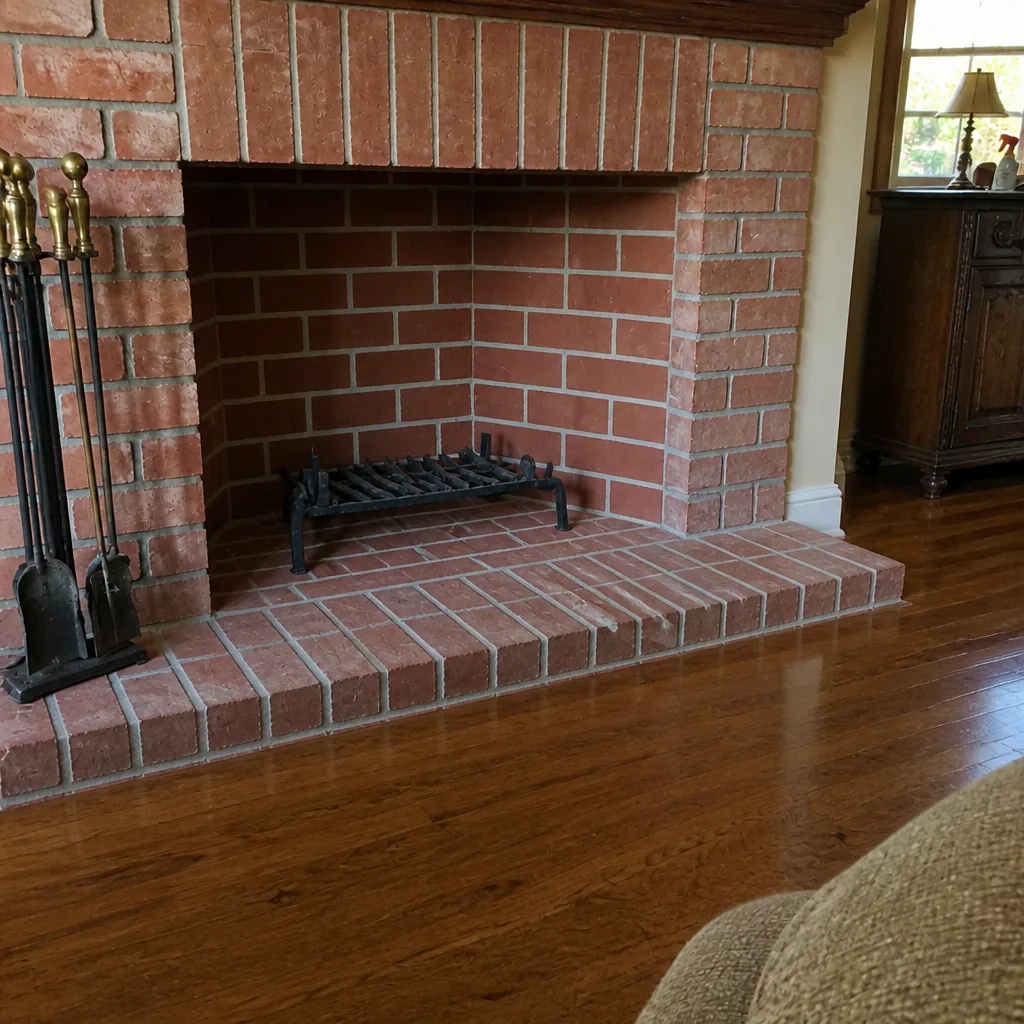
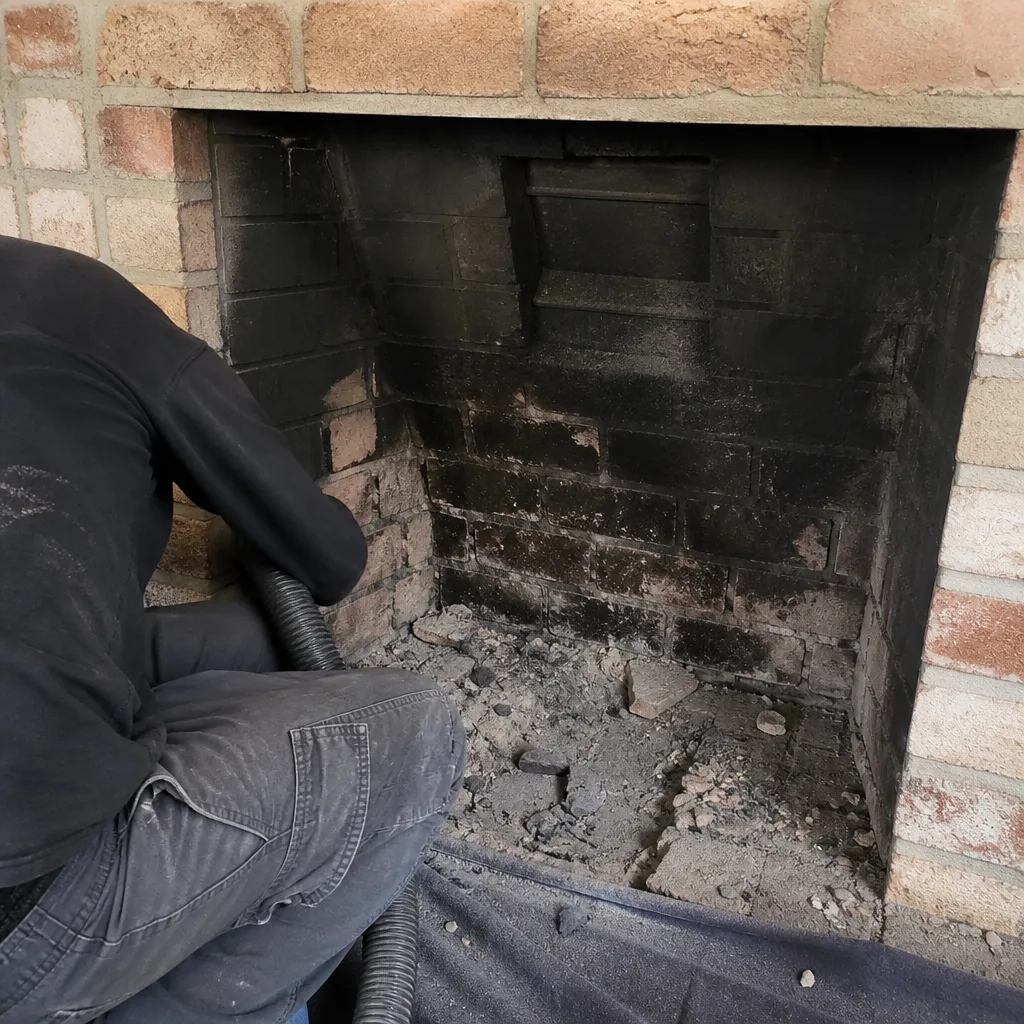
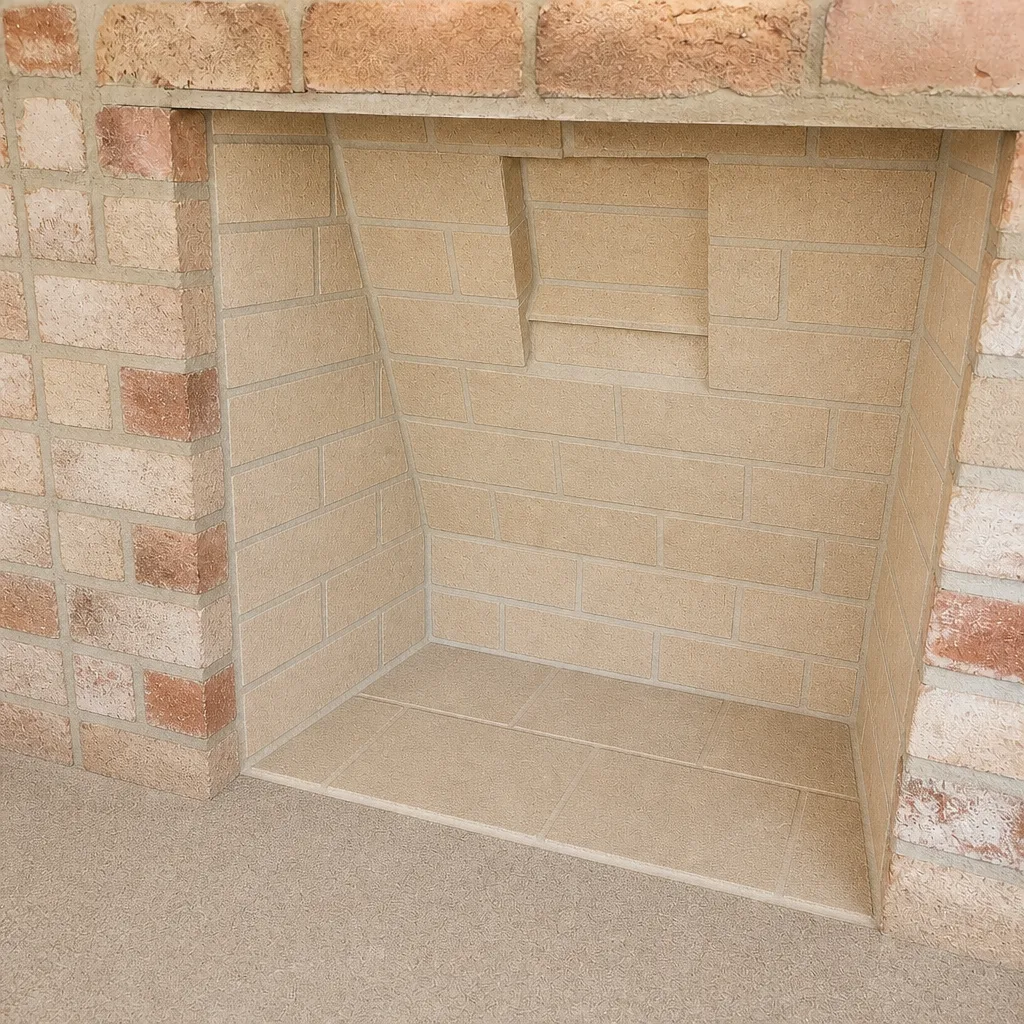
See the difference
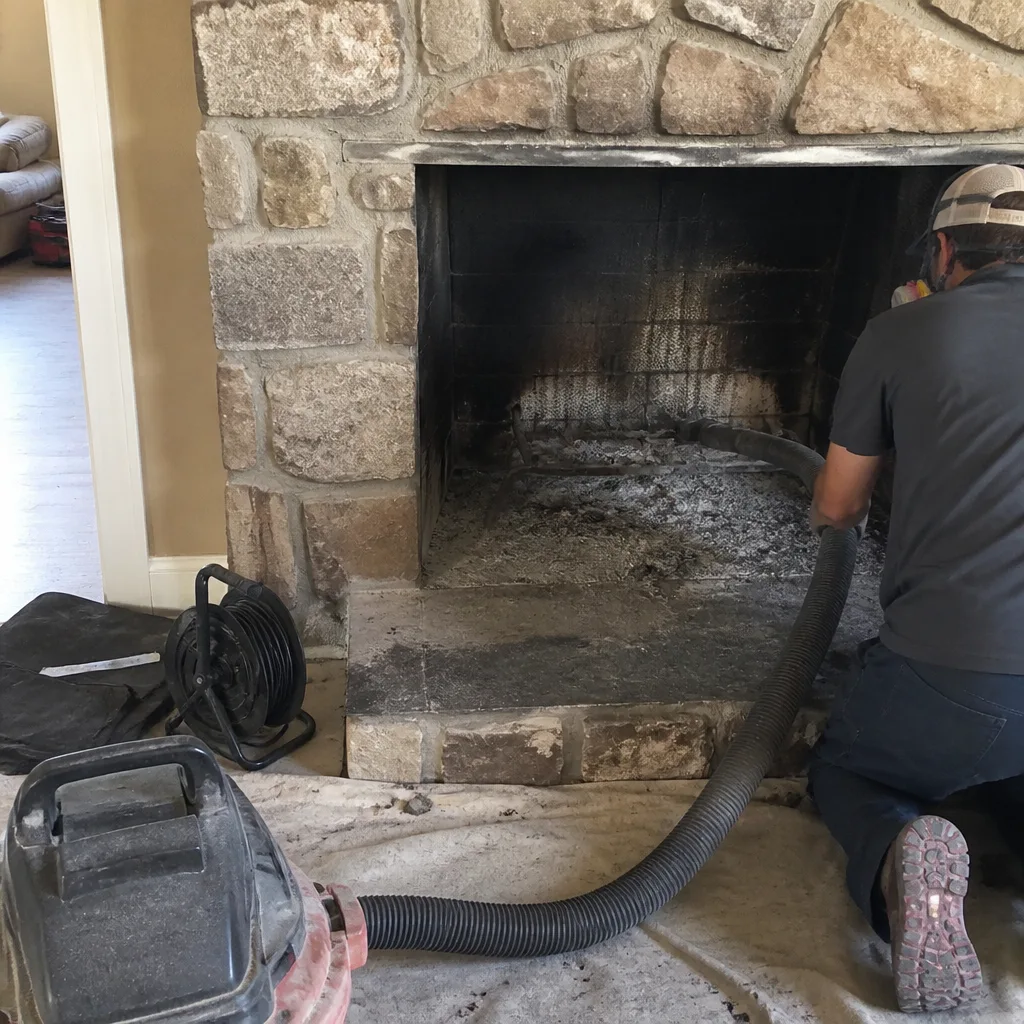 Before
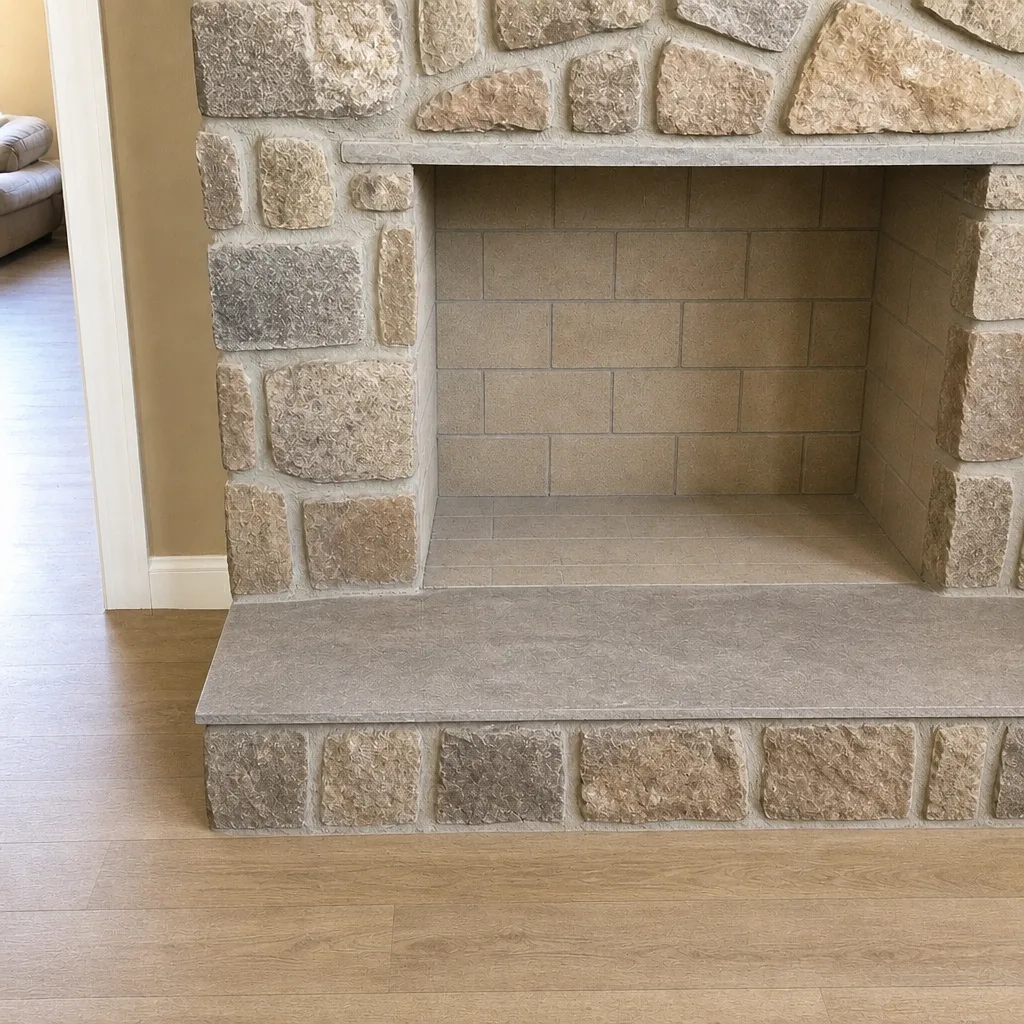 After
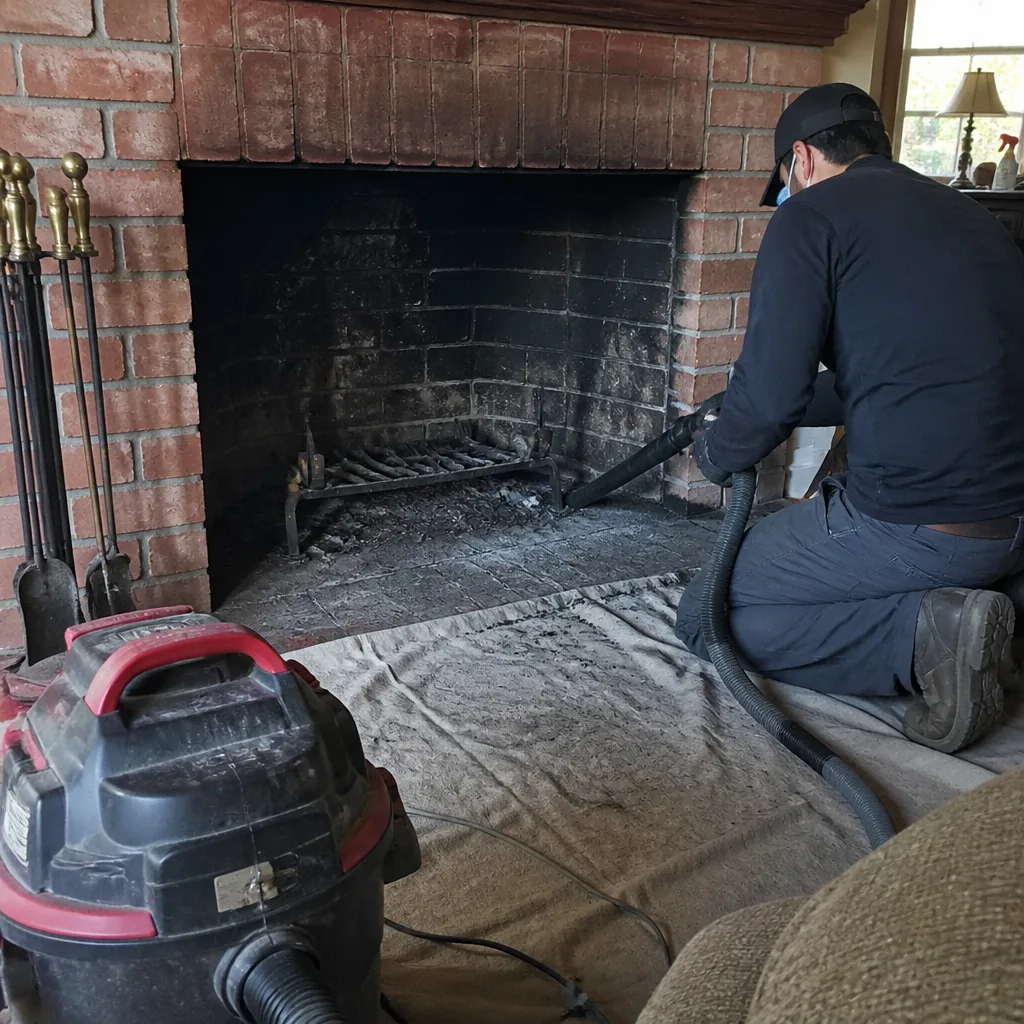 Before
 After
 Before
 After
When to Call a Professional
Call in when any of these apply: a Level 2 inspection has ever found a cracked or deteriorated flue, the fireplace has been unused for more than a couple of seasons, the home was recently purchased and the chimney’s condition is unknown, any gas appliance has been added or changed, or a home inspection recently flagged the chimney. Also call if you’ve never had the dryer vent cleaned on a home you’ve owned for years, because that’s a fire-safety visit in its own right.
For the simpler jobs, a routine chimney sweep and dryer vent cleaning can be booked together with one visit, and we’ll tell you whether a permit is needed before any repair work starts. Fairfield Chimney Cleaning offers free estimates in Fairfield. Call (833) 946-3479. We answer 24/7. Fast dispatch from 7am to 7pm, Sunday through Friday.
Frequently Asked Questions
No. A routine chimney sweep, a Level 1 or Level 2 inspection, and a standard rain cap replacement don’t require a permit in Fairfield. Relining, firebox reconstruction, and new appliance installations do require a Solano County building permit. Call (833) 946-3479 for an exact scope and quote; estimates are free.
Yes, in most cases. A liner installation alters the flue system and falls into permit-required scope under Solano County rules, whether it’s a stainless liner like DuraFlex or a HeatShield resurfacing. The permit and the final inspection sign-off become part of your home records, which is exactly what an insurer or a buyer will ask for later. Call us and we’ll tell you what your specific job needs before anyone touches the roof.
A Level 2 inspection includes everything a Level 1 does, plus a camera inspection of the accessible flue and smoke chamber and a visual check of clearances and appliance connections. It’s the level required for real estate transactions and after a chimney fire, and it’s the level we recommend for any home where the chimney’s history isn’t documented. You get a photo report with the findings.
An annual inspection is the baseline; the sweep interval depends on how much you burn. Heavy use in a Fairfield home with a wood-burning fireplace often warrants a sweep each year, while lighter use may mean every other year with an inspection in between. Call (833) 946-3479 and we’ll book an inspection so you have a straight answer for your chimney.
It depends entirely on what the camera shows. A minor crack in a liner serving a gas appliance may be a repair that can wait for the next service visit; a deteriorated flue on a wood-burning fireplace is not something to defer. We don’t recommend a liner without camera evidence you can see for yourself, and we’ll say plainly when the work can safely wait.
Yes, and you should. Contact Solano County’s building department with the contractor’s business name and ask whether permits are on record for previous chimney work. Confirm the license status through the Contractors State License Board, and ask for the permit number in writing after work is done. It’s a five-minute check that protects you at resale and at claim time.
The Bottom Line
Chimney cleaning in Fairfield is usually permit-exempt, but the repair that follows it often isn’t. Know which scopes cross the line into Solano County permit territory: relining, firebox work, and new appliance installations. Understand what California Residential Code R1003 requires at the roof, and let NFPA 211 shape the inspection. Get a Level 2 camera inspection with a photo report if the chimney’s history is unknown. Ask your contractor for the permit number in writing, and check their permit history before you hire. Call (833) 946-3479 to schedule a sweep or inspection. We answer 24/7. Fast dispatch from 7am to 7pm, Sunday through Friday.
Written by the team at Fairfield Chimney Cleaning.