
Last updated November 15, 2026
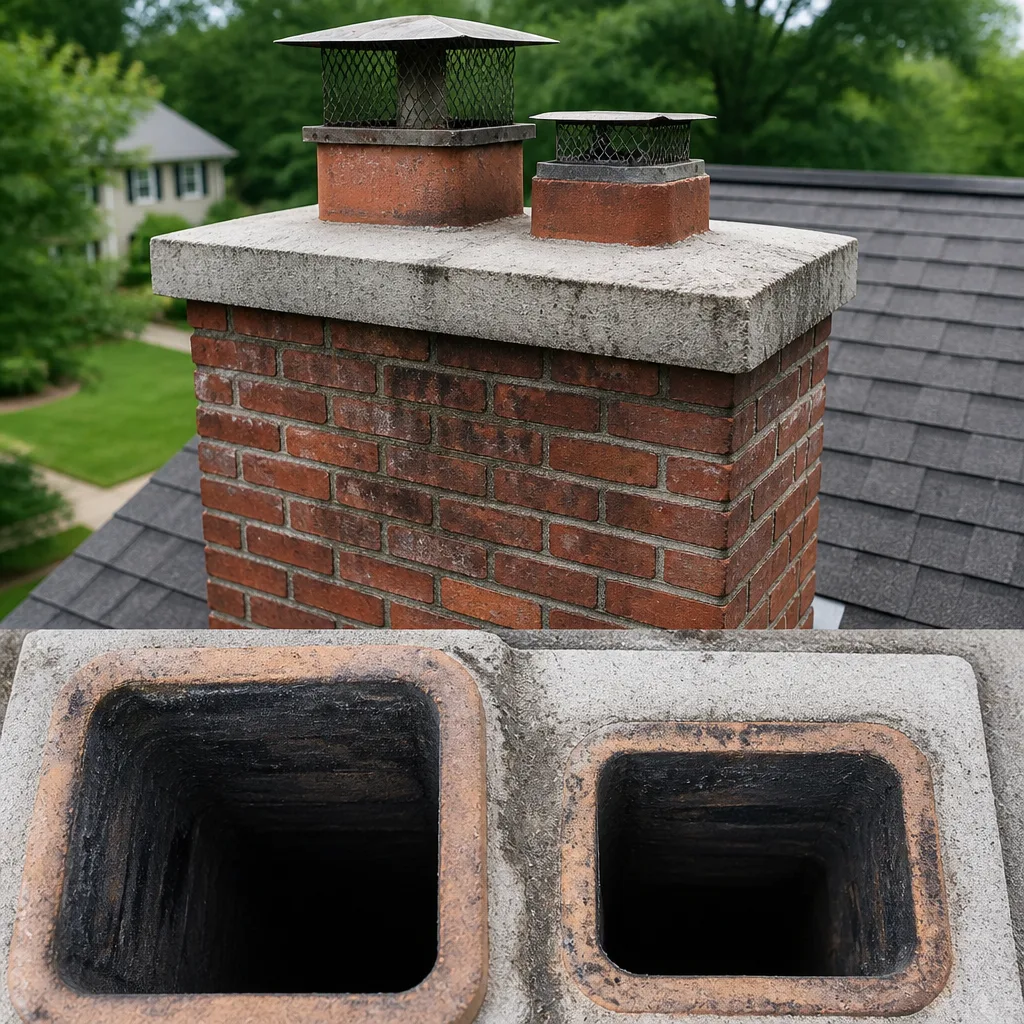 Sweep & inspection
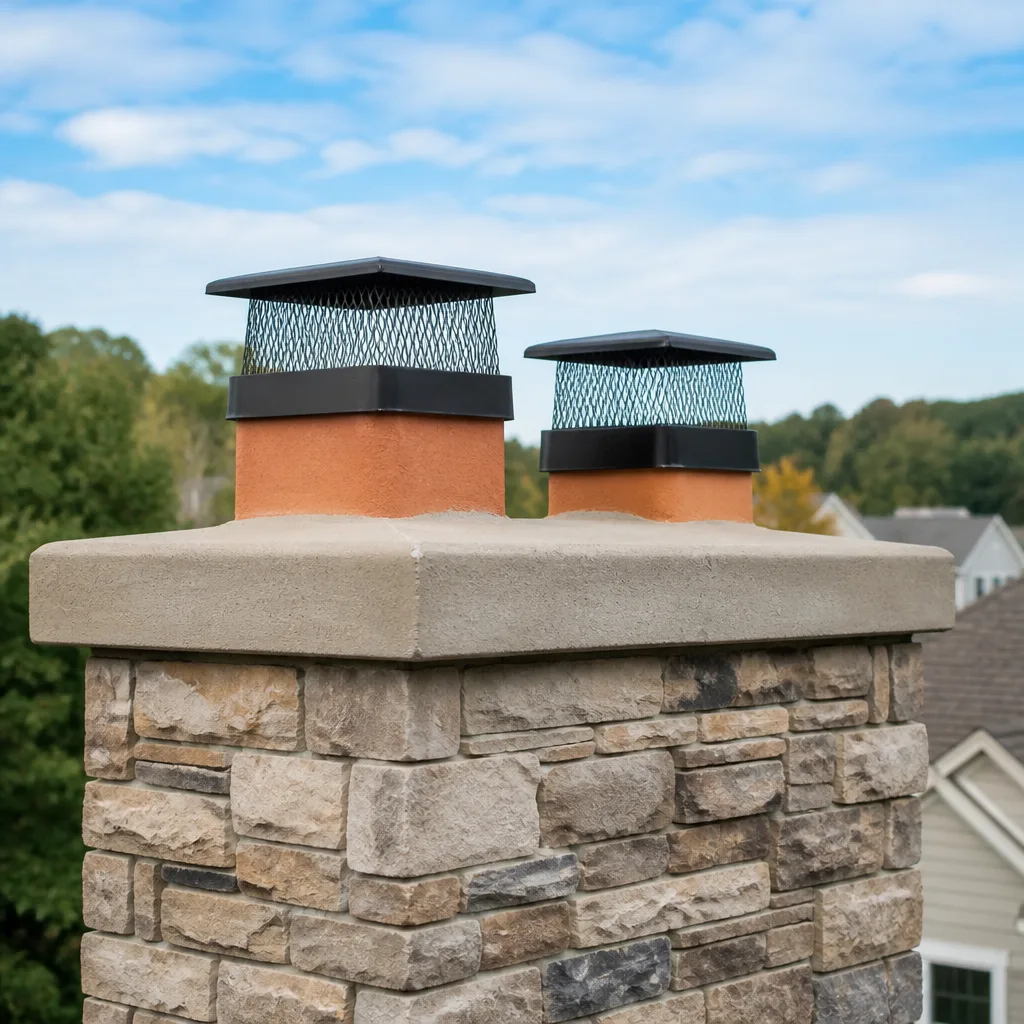 Caps & crowns
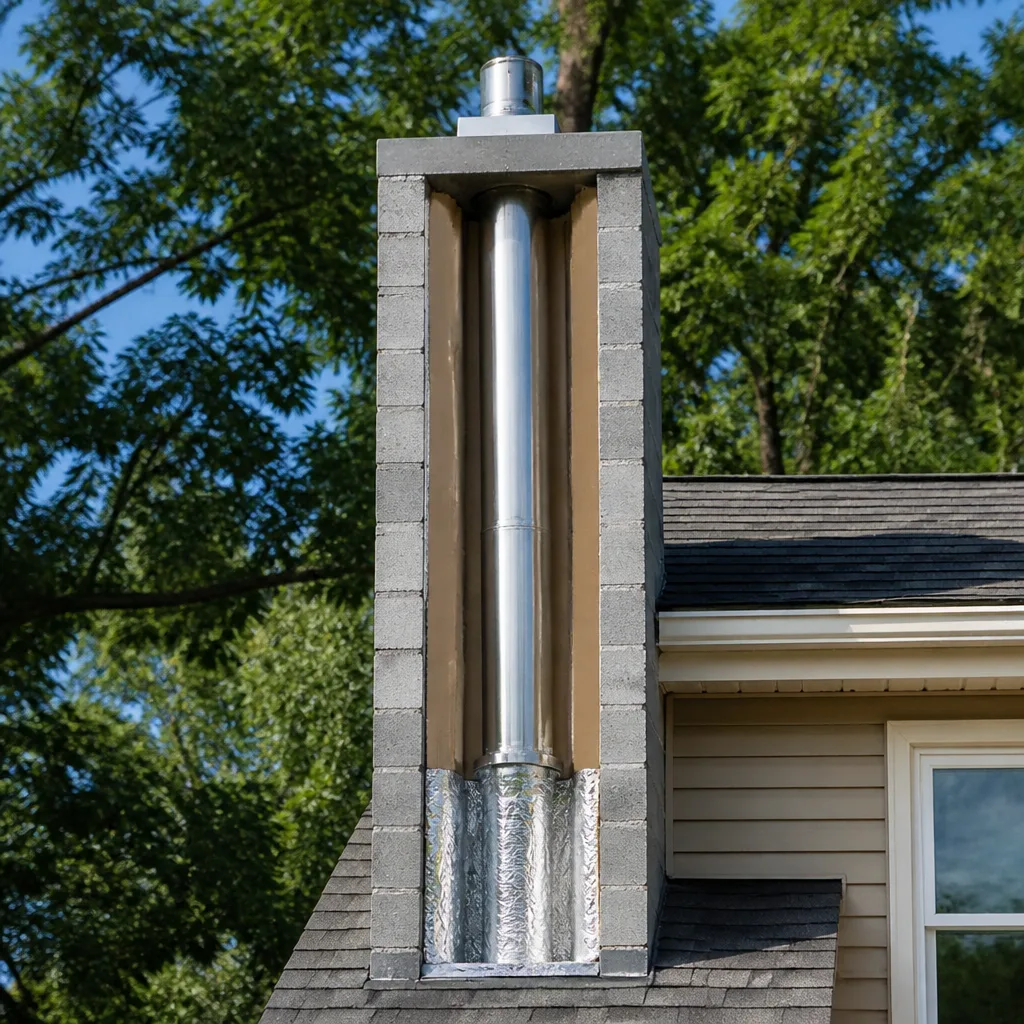 Flue relining
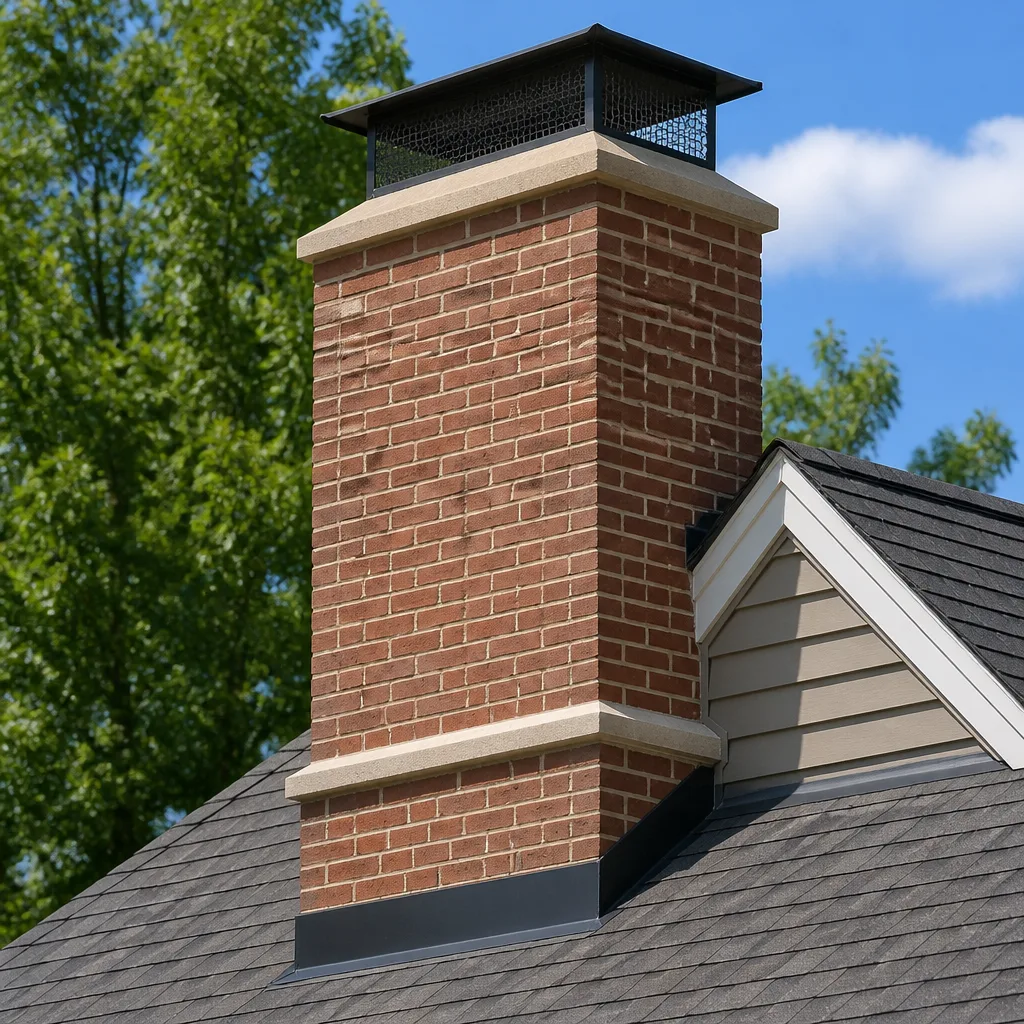 Masonry repair
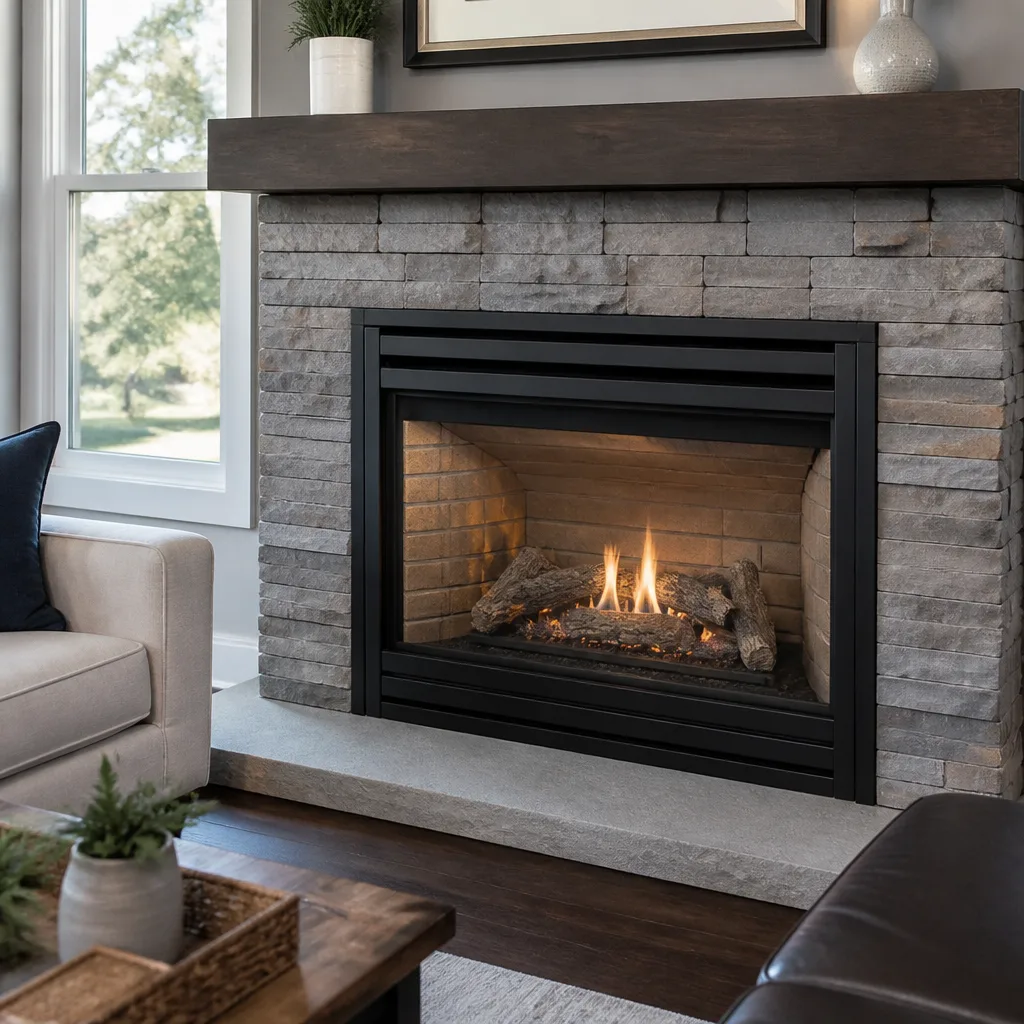 Gas fireplace service
Level 1 sweep and inspection to the NFPA 211 annual standard - flue, crown, cap, and flashing checked and photographed
Chimney sweep logs do not sweep chimneys. They loosen some creosote - which then falls where a brush and vacuum still have to collect it.
Chimney Cleaning Emergency Preparedness Guide for Fairfield Homes
Most homeowners treat a chimney emergency as a single scenario: the flue catches fire, you call 911, done. That’s the wrong mental model, and it’s the reason people get caught flat-footed. In Fairfield, three completely separate emergencies can involve the same chimney, and each one asks something different of you. A wildfire ember blowing into an unprotected cap is not the same event as a gas insert that won’t light during a power outage, and neither looks anything like mortar shaken loose by a quake. This guide walks through all three, plus the first-60-seconds fire protocol, the pre-use checks for a wood fireplace you haven’t touched in years, and the information to have ready before you ever dial a technician. Fairfield homes sit in a place where all of this is worth planning for.
Quick Answer
Chimney emergency preparedness in Fairfield means planning for three distinct risks: a chimney fire (close the damper and glass doors, evacuate, call 911), wildfire ember intrusion through an unprotected cap before a Red Flag Warning, and post-earthquake mortar and liner damage after any significant shake. The single most useful step is a professional inspection that documents your flue type, liner material, and appliance models now, before an emergency, so a technician can act on real information instead of guesswork.
Styles & brands we work with
- Sweep & inspection
- Caps & crowns
- Flue relining
- Masonry repair
- Gas fireplace service
Table of Contents
- What to do in the first 60 seconds of a chimney fire
- Wildfire ember season: securing your cap before Red Flag days
- Post-earthquake chimney inspection: what seismic shaking does
- Emergency contact documentation to prepare now
- Using a wood fireplace for emergency heat: pre-use checks
- Gas inserts and power outages: the scenario nobody plans for
- Common mistakes to avoid
- When to call a professional
What to do in the first 60 seconds of a chimney fire
A chimney fire can sound like a train rumbling through the wall, or it can be almost silent. Both are dangerous. What you do in the first minute sets the course, and the single most important action is to cut oxygen to the firebox without flinging the door wide and feeding it air.
Here’s the sequence we want every Fairfield homeowner to have memorized:
- Get everyone out of the house first. Every other step comes after people are moving toward the door.
- Call 911 from outside. A chimney fire can spread into the attic or roof framing even when it looks contained, and you cannot see that from the living room. Don’t assume it’s out because the roar stopped.
- If the fire is small and clearly confined to the firebox and you are already at the hearth, close the glass doors and shut the damper to starve it of air. Close the damper by the handle, not by opening the firebox wider to reach it.
- Never throw water into a hot firebox or flue. The thermal shock can crack masonry or a liner, and steam can drive hot debris into the room.
- Stay out until the fire department clears the structure. A fire that seems out can reignite in creosote deposits further up the flue.
When to call 911 versus handle it yourself: call 911 any time you hear the rumble, see flames or sparks at the top of the chimney, smell an acrid burning that doesn’t stop, or aren’t sure. If a small flare-up is fully out, the firebox is cool to the touch through the glass, and there is no smoke coming from the chimney top, you can wait for a professional inspection – but you still need one before you burn again. Even a short flue fire can leave a cracked liner or glazed creosote behind, and that damage is invisible from the room.
Wildfire ember season: securing your cap before Red Flag days
Fairfield sits where dry summer and fall winds can carry embers a long way, and a chimney is one of the most direct openings into a house. The problem isn’t the fire you can see. It’s a single ember landing on a dry nest, a leaf pack, or creosote-coated flue walls.
Your first line of defense is the chimney cap, and not every cap is built for ember exposure. The specifications that matter:
- Full spark arrestor mesh on all sides. Open-sided decorative caps look nice but let embers straight in. Look for a cap with mesh screening the entire opening.
- Mesh sized small enough to stop embers. Standard caps use a mesh that blocks embers while still allowing smoke and draft to pass. A cap with large openings or missing mesh panels does not qualify.
- Proper fit and mechanical attachment. A cap that sits loose or lifts in wind is worse than none, because it can be driven off and leave the flue wide open. Caps should be secured to the flue or crown, not just set on top.
- No gaps between cap and crown. Embers and animals get in through the edges. A sealed, snug fit closes that path.
Before a Red Flag Warning is issued, do a visual check from the ground: is the cap still seated, is the mesh intact, is there anything visibly packed around it? Anything that looks loose or missing mesh should be addressed before the next wind event. This is one of the reasons we install rain caps and venting components from brands like Olympia Chimney and Famco – the fit and mesh hold up, and the components are specified for the job rather than improvised.
A cap alone isn’t enough. A flue packed with creosote is fuel, and embers find it. If you haven’t had your chimney swept before fire season, that’s the gap the ember doesn’t need.
Post-earthquake chimney inspection: what seismic shaking does
Chimneys are one of the most vulnerable parts of a house during an earthquake because they’re tall, relatively heavy, and often the least laterally supported structure on the home. For California homeowners, any significant shake should be treated as a trigger for inspection, even if nothing looks obviously wrong from the ground.
Here’s what we look for and where the risk concentrates:
- Mortar joints in the upper stack. The top of a masonry chimney takes the most motion. Loose, cracked, or missing mortar between courses up high is the first thing to check after a quake.
- The joint where the chimney meets the roof and framing. Seismic movement can open a gap here, which is both a fire path and a water entry point.
- Liner sections and connections. A clay tile liner can crack at the joints. A metal liner can shift or separate at its couplings. Neither is visible from the firebox.
- The crown. A cracked crown lets water into the masonry, and water plus repeated settling weakens the whole stack.
- Freestanding and exterior chimneys. These move more independently from the house and are more likely to show damage after a shake than an interior chimney.
From the ground, look for a chimney that’s leaning, a visible crack in the stack, or mortar crumbs on the roof. If you see any of those, don’t burn until it’s inspected. If you see nothing, that’s good, but a visual check from the driveway can’t confirm the liner. An inspection with a camera is the only way to know what the joints and liner actually did during the shake, and it’s the kind of check Fairfield homeowners should schedule promptly rather than waiting for the next scheduled sweep.
Emergency contact documentation to prepare now
When a chimney emergency hits, the last thing you want is a technician asking questions you can’t answer while you’re standing in a smoky house. Put a short document together now and keep a copy somewhere easy to find – a note on the fridge, an email to yourself, or a folder on your phone.
What to record:
- Flue and liner type. Is it a masonry flue with clay tile, a masonry flue with a metal liner, or a factory-built metal chimney? If a liner was installed, note the brand and approximate install date. DuraFlex and similar liner systems are common, and knowing which you have speeds up diagnosis.
- Last service date. The date of your last sweep and inspection tells a technician how much creosote may have built up since.
- Appliance make and model. The fireplace, insert, or wood stove brand and model, plus the gas insert’s ignition type if you have one. This matters enormously during a power outage.
- Any past repairs. Relining, crown work, cap replacement, resurfacing. If your flue was resurfaced with a product like HeatShield, the technician needs to know before touching it with a brush or tool.
- Your utility shutoff locations. Gas and electric, in case the emergency involves either.
- The number of your chimney company. Ours is (833) 946-3479. We answer 24/7, with fast dispatch from 7am to 7pm.
This documentation isn’t just for emergencies. It makes every routine visit faster and more accurate, and it’s the difference between a technician who can act on real information and one who’s starting from zero.
Using a wood fireplace for emergency heat: pre-use checks
A wood-burning fireplace can keep a house warm when the power goes out, but only if the chimney above it is safe to use. A fireplace that’s sat unused for years may have a blocked flue, an animal nest, a cracked liner, or a damper that no longer opens fully. You cannot assume it’s ready because it worked at some point.
The checks that cannot be skipped before the first fire of a season, especially the first fire in years:
- Look up the flue. With a flashlight from the firebox, check for visible blockage, nests, or heavy soot. A flue that’s blocked or heavily loaded with creosote is not safe to light.
- Test the damper. It should open fully, close fully, and stay where you put it. A damper stuck partway open or closed is a draft and smoke problem, and in a fire it’s a control you don’t have.
- Confirm the cap is intact. A missing or damaged cap is an open door for animals and embers.
- Schedule a sweep and inspection if it’s been more than a year. This is the only way to know the flue condition, and it’s the step that catches a problem before you rely on the fireplace as your heat source.
- Have dry, seasoned wood ready before you need it. Damp wood smolders and deposits creosote faster.
- Keep a working carbon monoxide alarm on every level. A blocked or damaged flue can send combustion gases into the living space, and CO gives no warning.
If any of these checks turn up a problem, don’t light the fire and hope. Call us and we’ll tell you what we find and what it costs to fix it before we touch anything.
Gas inserts and power outages: the scenario nobody plans for
Many Fairfield homes have a gas fireplace insert as their primary hearth and a wood fireplace or stove as backup. Here’s the gap: a gas insert with electronic ignition typically won’t light during a power outage because the ignition and safety controls need electricity. Homeowners who’ve never used the wood backup suddenly need it, and they don’t know if the flue above it is safe.
What to plan for before the outage:
- Know your ignition type. If your gas insert has electronic ignition, assume it won’t operate when the power is out. A standing pilot may, depending on the model, but confirm with the manufacturer’s documentation rather than guessing in the dark.
- Keep the wood backup ready. That means a swept and inspected flue, dry wood, and a working damper – the same checks covered above, done before the season starts, not during the outage.
- Check the CO alarm before you need it. A fireplace that hasn’t been used in years is exactly the one most likely to have a venting problem.
- Don’t improvise venting. Never run a generator, grill, or portable heater in a way that introduces combustion gases indoors because the fireplace isn’t working. The backup plan is a safe fireplace or no fire at all.
The most useful thing you can do here is not the emergency response. It’s the inspection that tells you whether the backup fireplace is usable before the power goes out. Our technicians have up to 12 years of experience and can assess both the gas insert and the wood flue in one visit, so you know exactly what you have.
Common Mistakes to Avoid
- Opening the firebox door when a chimney fire starts. That’s the instinct, and it’s the worst thing for it. Oxygen feeds the fire, and opening the door can spread it into the room. Close the doors and damper, get out, call 911.
- Assuming the fire is out because the noise stopped. Chimney fires can move into the framing and smolder out of sight. In Fairfield’s dry conditions, that’s a real escalation risk. Let the fire department confirm it’s out.
- Skipping a post-quake inspection because the chimney looks fine from the driveway. Mortar joints and liner sections are the highest-risk damage, and neither is visible without a camera. Any significant shake deserves a look.
- Lighting a wood fireplace you haven’t used in years without checking the flue. Animal nests, cracked liners, and creosote blockages are common after years of non-use, and you can’t smell or see them from the room.
- Replacing a cap with an open-sided decorative model before fire season. It looks better and performs worse. A cap needs full mesh to stop embers, and Fairfield’s ember season is exactly when that matters.
- Waiting for an emergency to figure out your liner type and appliance model. A technician can’t plan a response without that information, and you don’t want to be hunting for it while the house is smoky.
- Assuming a gas insert will work in a power outage. Electronic ignition needs electricity. Plan for the wood backup, and verify it’s safe before the outage, not during it.
See the difference
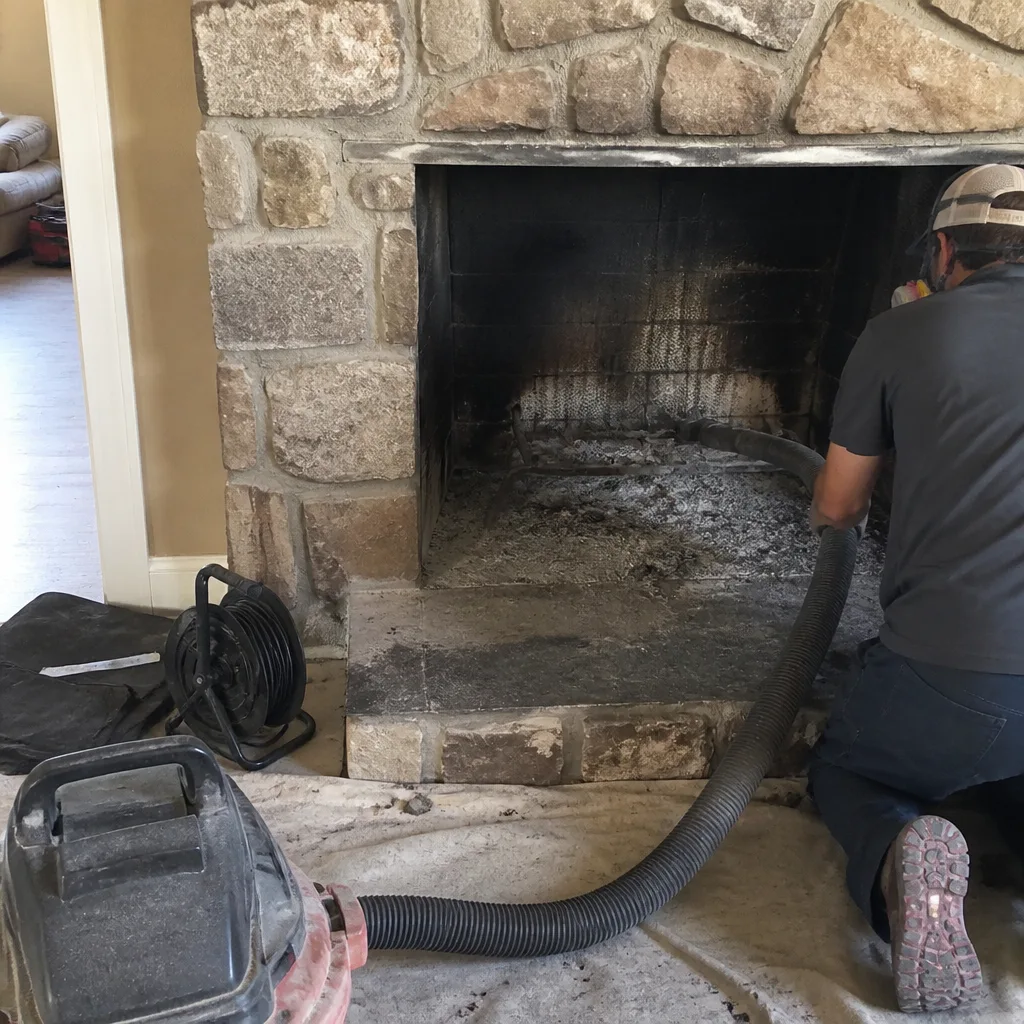 Before
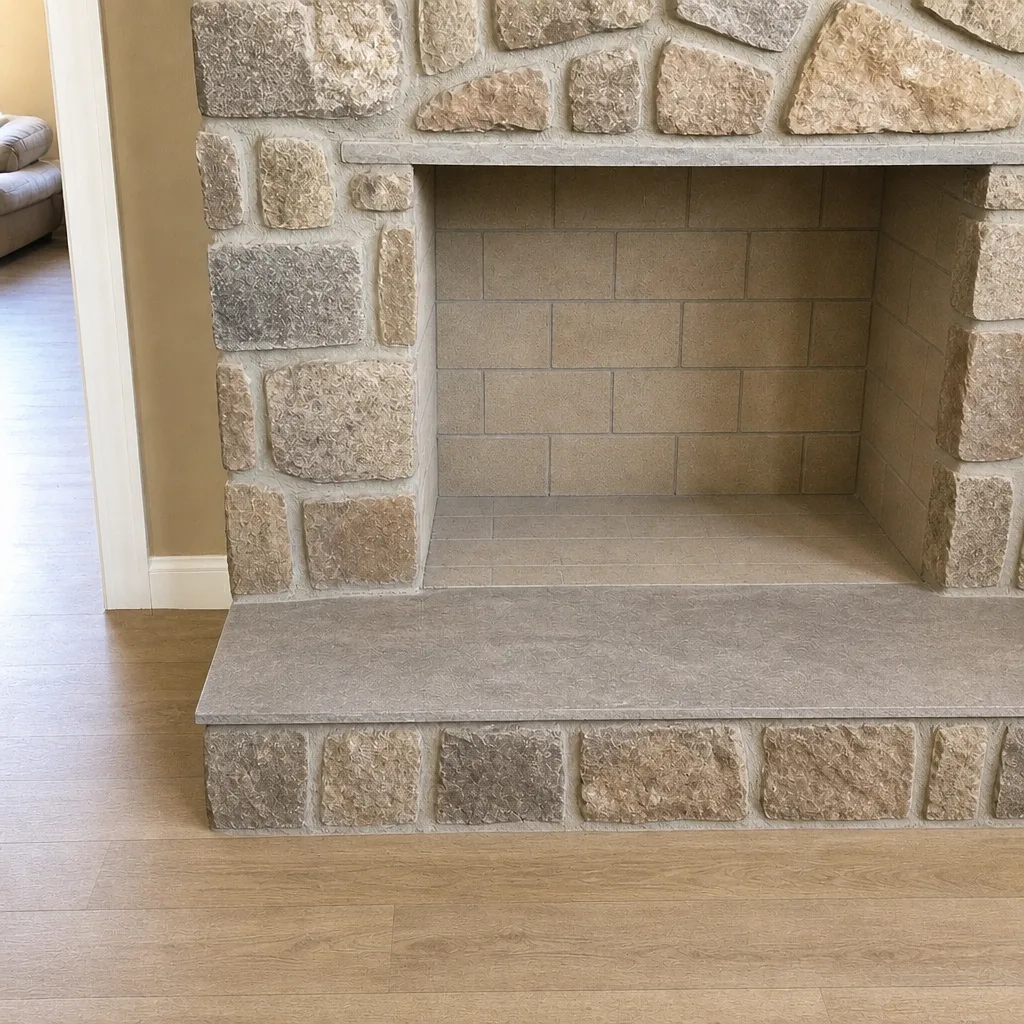 After
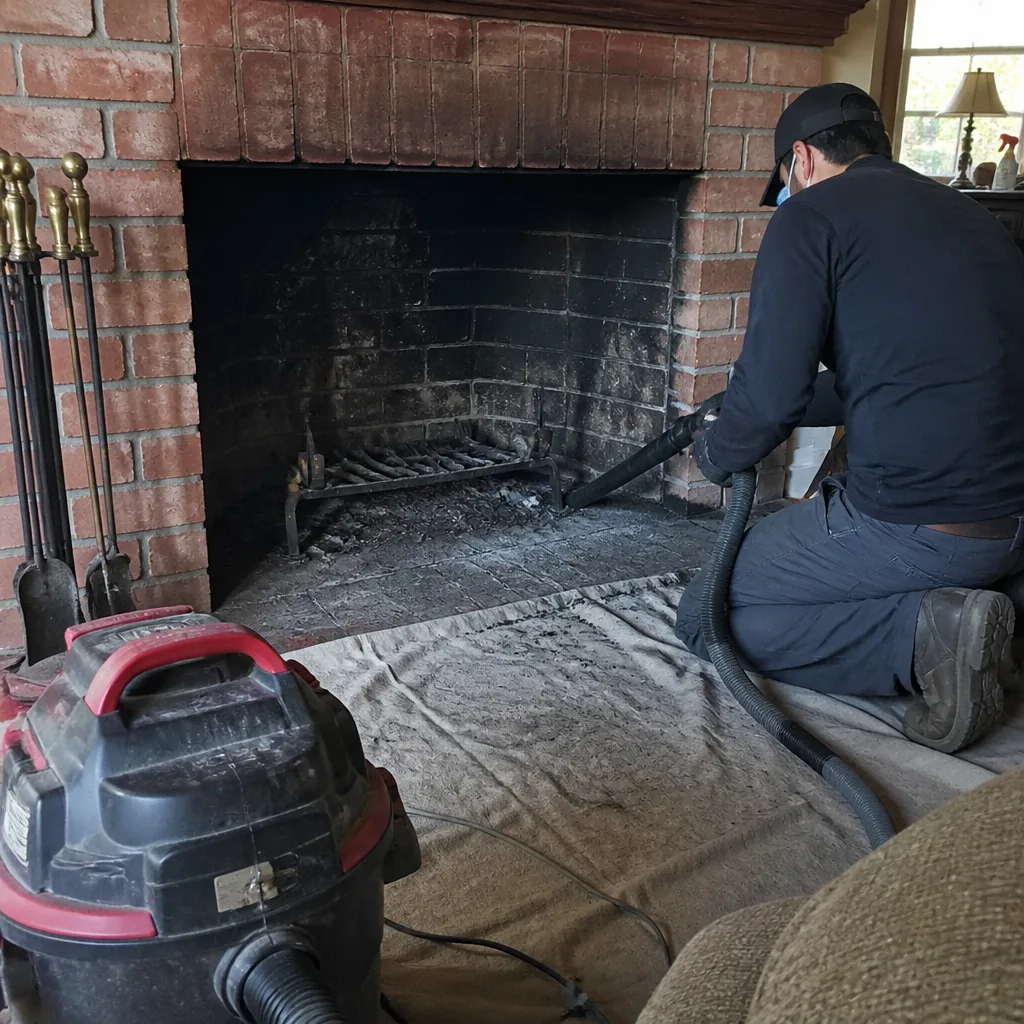 Before
 After
 Before
 After
When to Call a Professional
Call a professional after any real chimney fire, even a small one, before you burn again. Call after any significant earthquake if your chimney is masonry, freestanding, or exterior. Call if a Red Flag Warning is coming and you can’t confirm your cap’s mesh is intact, or if your flue hasn’t been swept this season. Call if you’re planning to use a wood fireplace you haven’t run in years, and call if you smell gas or suspect a CO problem and can’t trace it. The common thread: anything you can’t verify from the room is a job for someone with a camera and the right tools.
Fairfield Chimney Cleaning offers free estimates in Fairfield – call (833) 946-3479. We answer 24/7, with fast dispatch from 7am to 7pm, Sunday through Friday. We tell you what we find and what it costs to fix it before we touch anything, and we’ll say plainly when a repair can safely wait.
Frequently Asked Questions
Get everyone out of the house and call 911. Once people are moving toward the door, if the fire is small and clearly in the firebox, close the glass doors and shut the damper to cut the air supply. Never throw water in, and stay out until the fire department clears the structure. Call us afterward at (833) 946-3479 for an inspection before you burn again.
Yes, any significant shake is a trigger for inspection, especially on masonry, exterior, or freestanding chimneys. The highest-risk areas are the mortar joints in the upper stack and the liner sections, and neither is visible from the ground. A camera inspection confirms what the shake actually did. Call (833) 946-3479 to schedule one.
Make sure the cap has full mesh screening on all sides, fits snugly, and is mechanically secured to the flue or crown with no gaps. Open-sided decorative caps and damaged mesh let embers straight in. Check it before a Red Flag Warning, not during one. Call (833) 946-3479 if you’re not sure your cap qualifies.
If it has electronic ignition, no – it needs electricity to light and run its safety controls. That’s why the wood backup matters, and why the flue above it needs to be swept and inspected before the season starts. Call (833) 946-3479 to have both assessed in one visit.
Only after the pre-use checks: look up the flue for blockage, test the damper, confirm the cap is intact, and schedule a sweep and inspection if it’s been more than a year. Years of non-use can leave nests, cracked liners, and heavy creosote you can’t see from the room. Call (833) 946-3479 if you’d rather have a technician confirm it’s safe.
Have your flue and liner type, last service date, appliance make and model, and any past repairs on hand. That lets a technician diagnose faster and plan the right response. If you don’t know your liner type, we can identify it during an inspection. Call (833) 946-3479 to get started.
The Bottom Line
Chimney emergency preparedness in Fairfield comes down to three separate plans, not one. A fire plan: close the damper and doors, get out, call 911, and get inspected before you burn again. An ember plan: a fully meshed, properly secured cap in place before Red Flag days, plus a swept flue so there’s no fuel waiting. A seismic plan: treat any significant shake as a reason for a camera inspection of the joints and liner. The thread running through all of it is information you gather ahead of time – your flue type, your appliance model, your last service date. A chimney sweep and inspection is how you get it, and a dryer vent cleaning in the same visit covers the other fire-safety system in your house. If you’re in Fairfield and want a professional-grade assessment rather than a brush-and-go, call (833) 946-3479 for a free estimate. We answer 24/7, with fast dispatch from 7am to 7pm, Sunday through Friday. Start with Fairfield Chimney Cleaning and one crew handles the sweep, the inspection, and any repair the inspection turns up.
Written by the team at Fairfield Chimney Cleaning.