
Last updated November 15, 2026
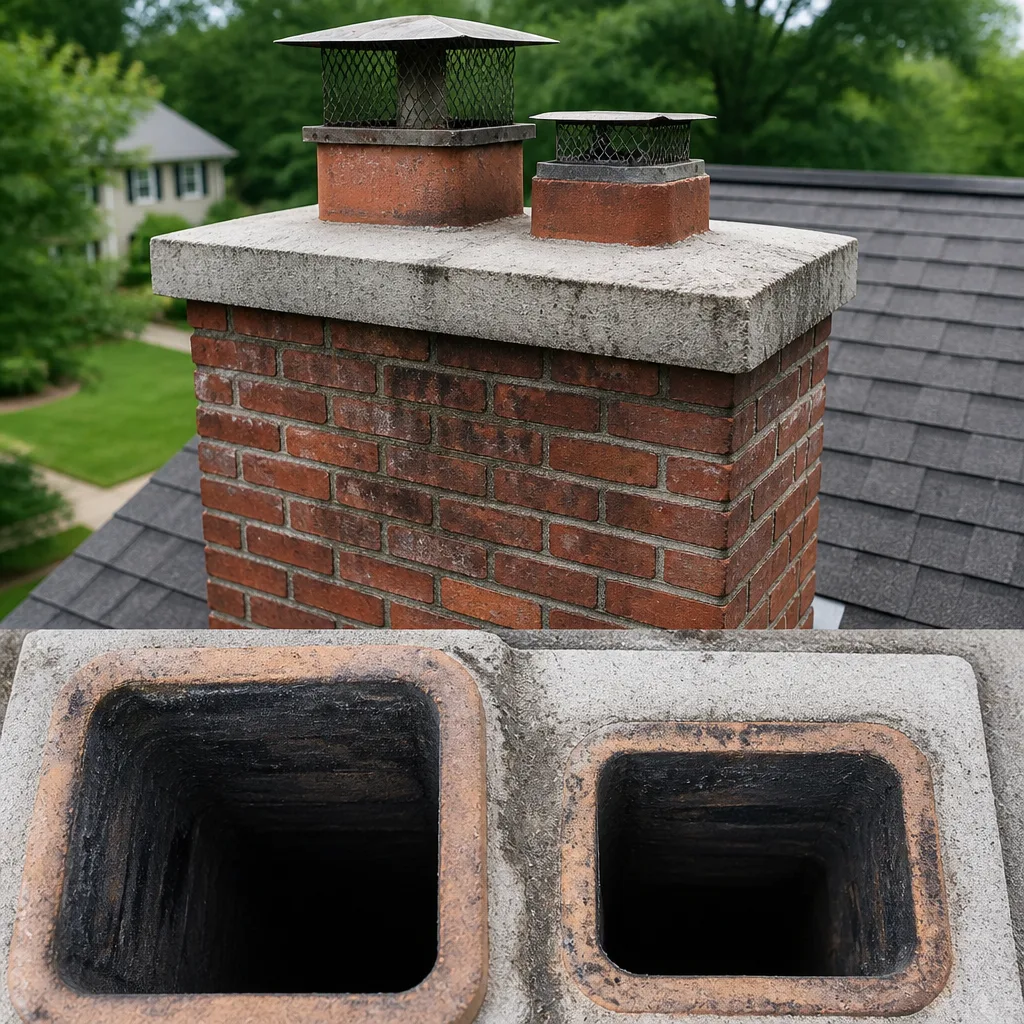 Sweep & inspection
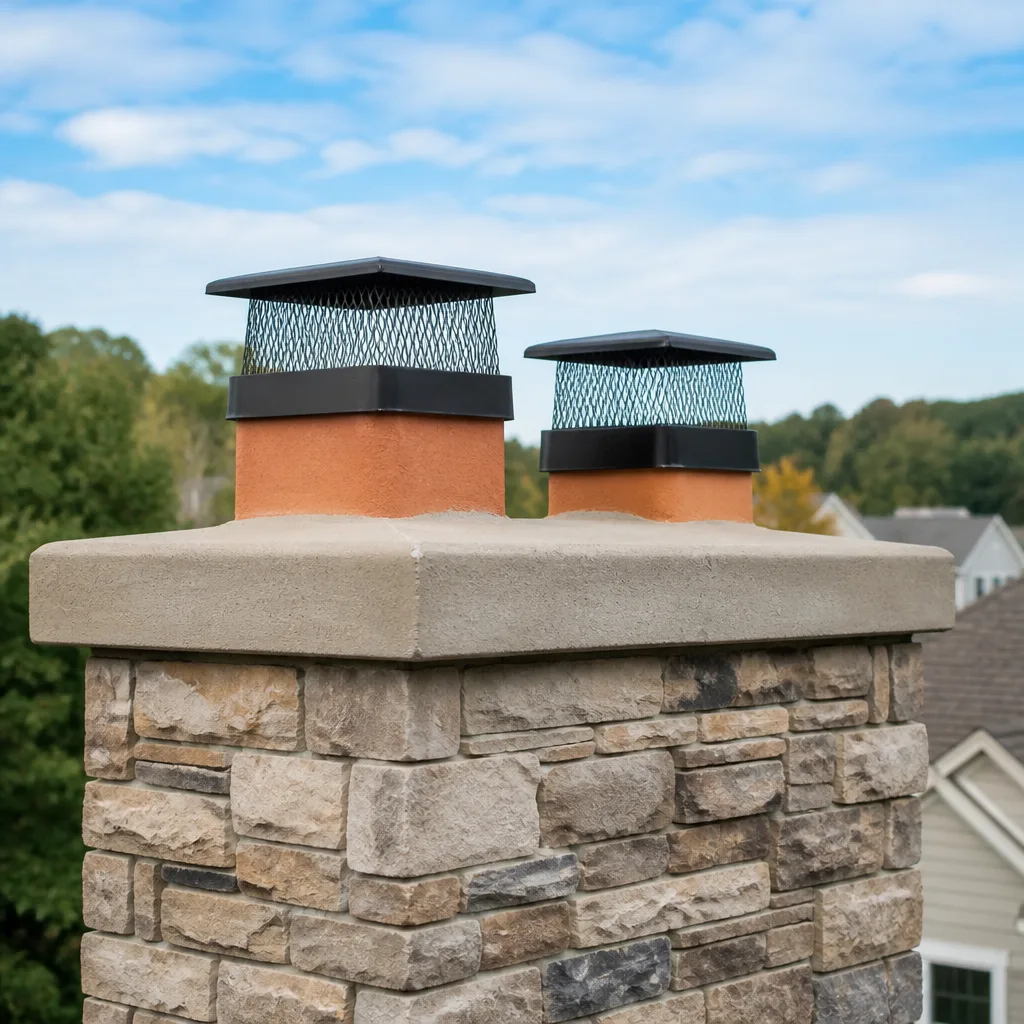 Caps & crowns
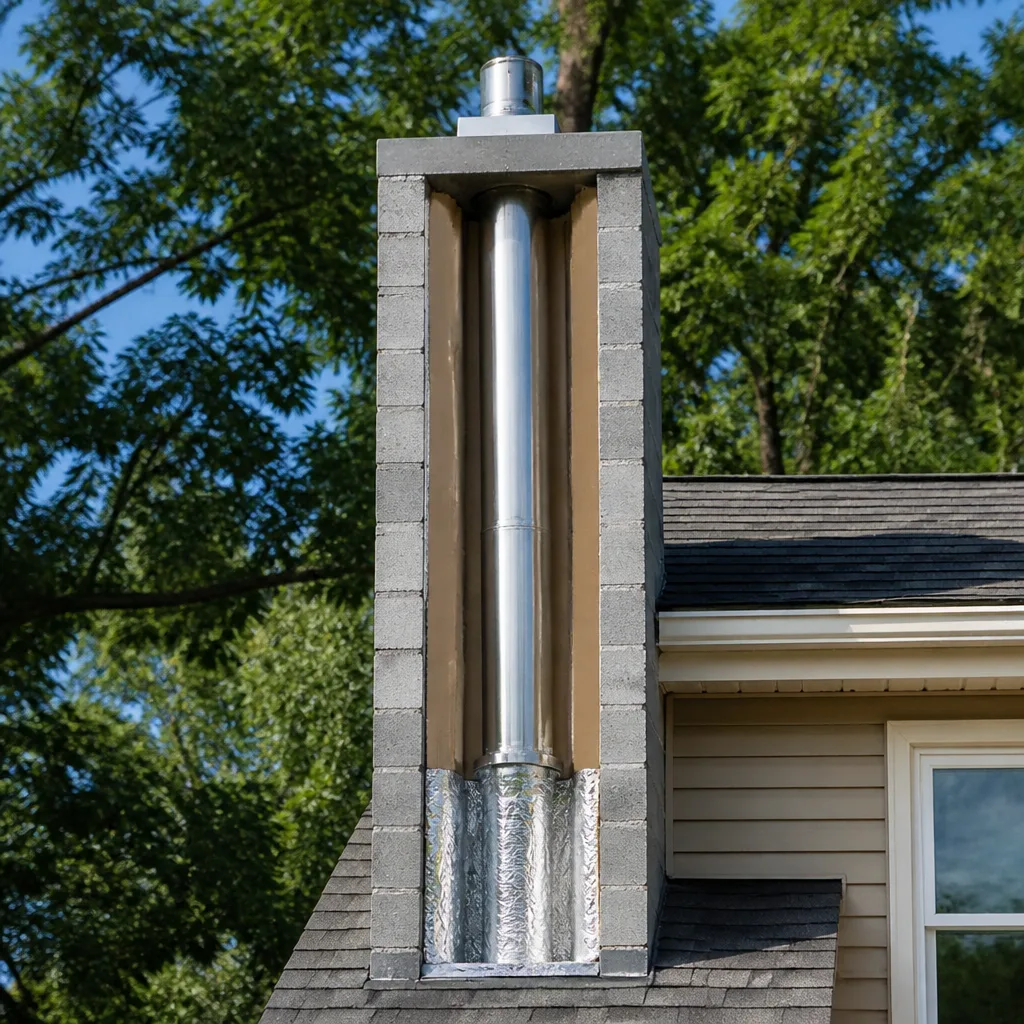 Flue relining
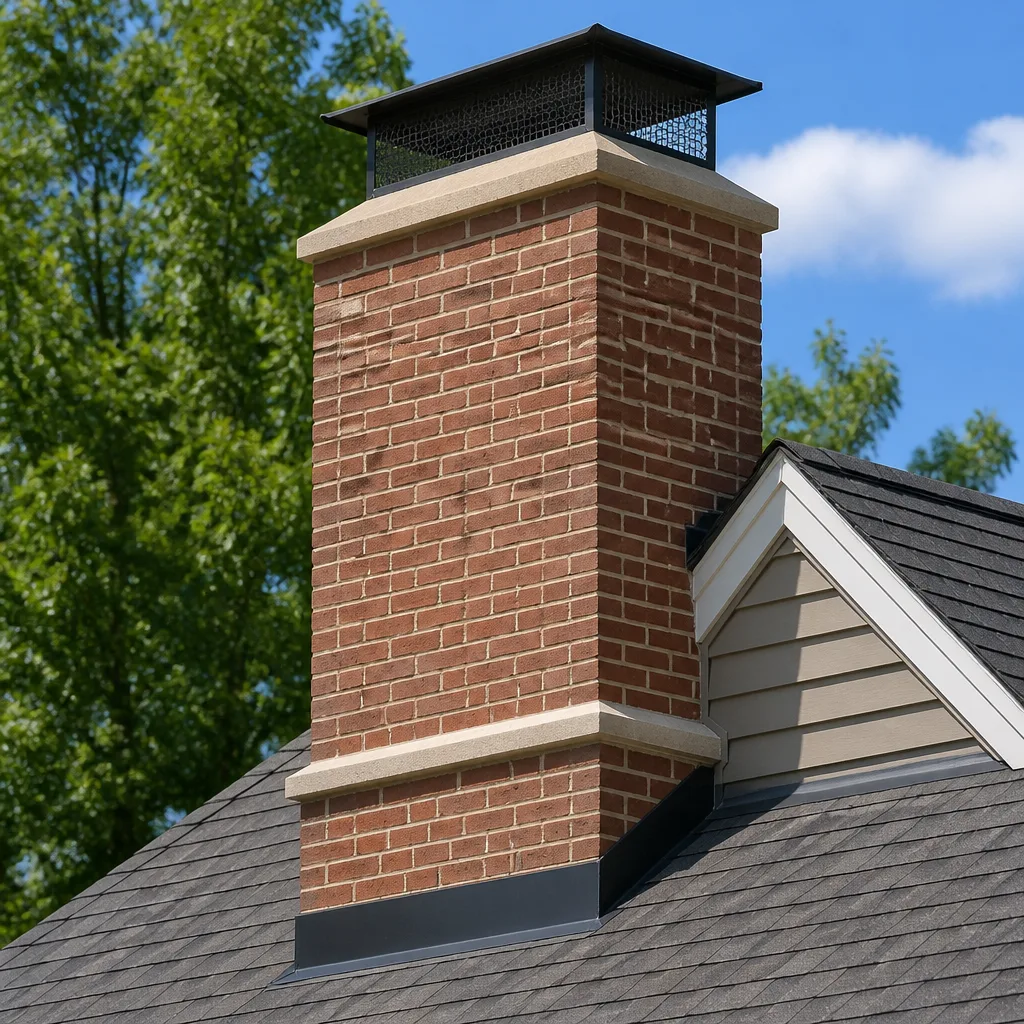 Masonry repair
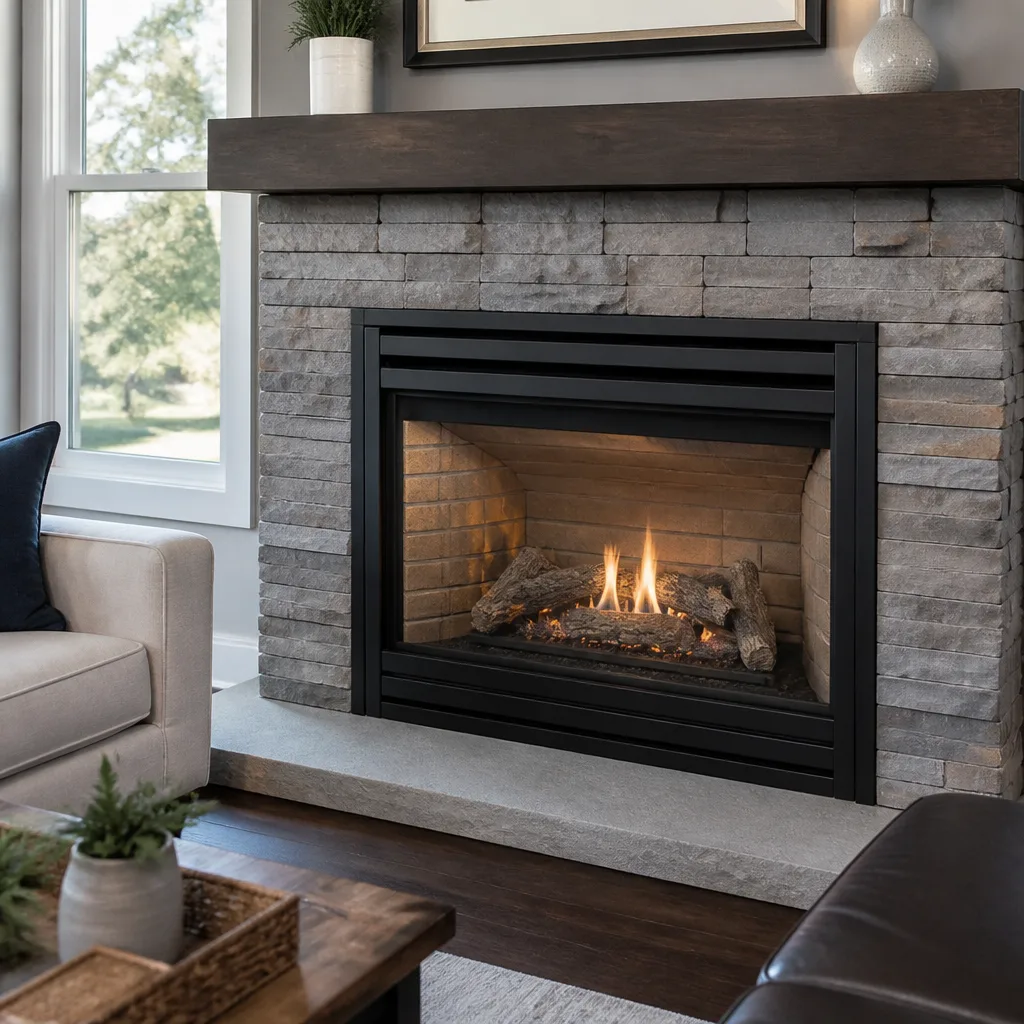 Gas fireplace service
Level 1 sweep and inspection to the NFPA 211 annual standard - flue, crown, cap, and flashing checked and photographed
Chimney sweep logs do not sweep chimneys. They loosen some creosote - which then falls where a brush and vacuum still have to collect it.
Chimney Sweep Maintenance Schedule: What to Do and When
A homeowner with a gas log set they light a few evenings a month and a homeowner burning three cords of almond wood every winter both describe their fireplace the same way: “we use it occasionally.” From a maintenance standpoint, those two chimneys have almost nothing in common. One needs an inspection cycle measured in years; the other needs a sweep every single season, and possibly a mid-winter one. Most scheduling advice online collapses everyone into a single “once a year” rule and calls it done. That rule is the floor, not the ceiling. What follows is a maintenance calendar built around your actual setup: fuel type, how much you burn, what appliance you have, and what Fairfield weather does to the timing.
Styles & brands we work with
- Sweep & inspection
- Caps & crowns
- Flue relining
- Masonry repair
- Gas fireplace service
Quick Answer
Wood-burning chimneys should be swept and inspected annually, and twice a year if you burn more than two cords of wood. Gas appliances need an inspection every two to three years, or annually if you have vented gas logs. Pellet stoves get an annual professional service plus mid-season ash management, and dryer vents get cleaned once a year. In Fairfield, book the chimney appointment in September, before the Delta wind season starts pushing debris and before the first burn.
Table of Contents
- Why “Once a Year” Is the Floor, Not the Ceiling
- The Wood-Burning Schedule
- The Gas Appliance Schedule
- The Pellet Stove Schedule
- The Right Pre-Season Window in Fairfield
- What to Check Monthly During Burn Season
- Where Dryer Vent Cleaning Fits In
- The Records That Matter Later
- Common Mistakes to Avoid
- When to Call a Professional
- Frequently Asked Questions
- The Bottom Line
Why “Once a Year” Is the Floor, Not the Ceiling
The annual sweep is a baseline, not a universal prescription. What actually drives your schedule is how much creosote and soot your system produces per season, and that number changes dramatically with fuel, burn habits, and appliance design. A sealed gas insert runs cool and clean and deposits almost nothing in the flue. A wood stove run at low damper settings for hours at a time deposits a great deal, and the creosote it leaves behind is the type that ignites.
Think of it in three tiers:
- Low-deposit systems: sealed gas inserts, direct-vent gas fireplaces, properly tuned gas furnaces on metal flues. These need inspection on a longer interval because there is little to clean.
- Moderate-deposit systems: wood fireplaces used a few times a week through winter, pellet stoves run at manufacturer-recommended settings. Annual service is the minimum.
- High-deposit systems: open wood fireplaces used heavily, wood stoves run choked down, any appliance burning unseasoned wood. Twice yearly, and monthly visual checks in between.
The second thing that drives your schedule is the flue itself. An old masonry chimney with spalling mortar joints or a cracked clay tile liner collects creosote differently than a smooth, properly sized stainless liner. When we inspect a Fairfield home built in the 1950s or 1960s, the flue condition usually matters more to the schedule than the fuel does. A rough interior surface gives deposits something to grip.
That’s why the first visit from any qualified technician should be a full inspection, not just a brush-and-go. Without a camera look at the flue interior, nobody can tell you whether your system is on a one-year cycle or a twice-yearly one.
The Wood-Burning Schedule
If you burn wood, annual sweeping and inspection is the minimum. If you burn more than two cords a season, plan on two visits: once before the season and once around mid-winter. The second visit is not a money-maker for us; it’s a genuine safety step for high-volume burners, because creosote buildup accelerates in the second half of the season as deposits accumulate and the flue narrows.
Here is how the wood-burning year should look:
- September: Professional sweep and Level 2 camera inspection. This catches damage done by the previous season’s heat cycling and confirms the flue is clear before you light the first fire.
- October through April: Monthly visual checks at the firebox, damper, and cap (see the monthly section below). Watch for smoke backing into the room, which signals a partial blockage or a pressure problem.
- January or February (high-volume burners only): Second sweep if you have burned more than one cord by that point.
- After the last fire of the season: A visual inspection of the firebox and cap from the ground. Note any new cracking in the firebrick or mortar before it sits all summer.
The type of wood matters too. Seasoned hardwood produces far less creosote than green wood or softwood. A chimney that burns unseasoned wood all winter can build deposits fast enough to need a sweep by December, not just at the start of the season. If you’re not sure whether your wood is dry, split a piece and check the interior: dry wood is lighter in color and cracks cleanly.
For a full description of what a professional sweep actually involves, see our chimney sweep page. It covers the tooling, the camera inspection, and how we handle a flue that turns out to be worse than expected.
The Gas Appliance Schedule
Gas appliances need less frequent professional attention than wood, but they still need it. Plan on inspection every two to three years for a sealed gas insert or direct-vent fireplace, and annually if you have vented gas logs. The reason for the annual interval on vented logs is that open-log sets produce moisture and mild deposits that sealed units do not, and the damper has to be left partially open for venting. That means an annual look is worth it.
What a gas inspection covers:
- Venting and termination check, including whether the cap is clear.
- Combustion check at the burner, looking for blocked ports, lazy flame, or soot streaking on the logs.
- Flue inspection for moisture damage or debris, since a gas flue does not get hot enough to burn off what a bird or a windstorm leaves behind.
- Carbon monoxide spillage check at the draft hood or vent connector.
One point many gas fireplace owners miss: a gas appliance that vents into a masonry chimney still relies on that chimney’s interior condition. If the clay liner has cracked, the gas appliance can spill combustion byproducts into the home because the flue’s draft is compromised. That’s a chimney problem, not a gas problem, and it comes up most often in older Fairfield homes where the original liner has been through 60 or more heating seasons.
If an inspection finds a deteriorated flue interior, HeatShield resurfacing can often restore it without the cost of a full liner replacement. That option exists specifically for situations like this, where the liner is compromised but the chimney structure is sound.
The Pellet Stove Schedule
Pellet stoves need an annual professional service plus active mid-season ash management. The annual service covers the flue, the exhaust venting, the combustion blower, and the burn pot. The mid-season work is what most owners skip, and skipping it is what causes pellet stoves to run poorly in February.
Pellet stoves produce very little creosote compared with wood, but they produce a lot of ash, and ash accumulates in the exhaust path and the vent. Clogged venting restricts airflow, which makes the fire burn inefficiently and can cause the stove to shut down or produce smoke. Here’s the mid-season routine:
- Empty the ash pan when it reaches about two-thirds full, or weekly during heavy use, whichever comes first.
- Scrape the burn pot and clear the air holes before each lighting cycle. This takes a minute and keeps the flame even.
- Check the exhaust vent termination for ash buildup or bird nesting once a month through the burn season.
- Have the flue and venting professionally cleaned annually, even if the burn pot looks clean. Ash hides in the exhaust path.
Pellet stove venting often runs horizontally through a wall with a termination cap, which is a very different configuration from a vertical chimney. That horizontal run is where ash tends to collect. If your pellet appliance was installed with an exterior vent kit, pay particular attention to the termination cap through the season.
The Right Pre-Season Window in Fairfield
September is the right month for a chimney sweep in Fairfield, more so than the generic “fall” recommendation you’ll see everywhere. Two reasons. First, the Delta wind season that arrives in late fall pushes debris, leaves, and fine grit around and through exterior chimney caps, and a sweep done in September means the flue starts clean before that begins. Second, and more importantly, September is before the first burn, so if the inspection turns up cracked mortar, a deteriorated liner, or a damaged cap, there is still time to schedule the repair before cold weather arrives. A sweep done in December, after you’ve already had a few fires, can turn up a problem you can’t fix before the season is underway.
A note on the local climate: winters here are mild, and your chimney never goes through freeze-and-thaw cycles the way chimneys in colder parts of the country do. That’s good news for the masonry. But it also means the damage to look for is different. Here, the failures we see most often are:
- Water intrusion at the crown and cap from winter rain.
- Mortar joint deterioration in the firebox and smoke chamber from years of normal heat cycling.
- Cracked clay tile liners in older homes after decades of expansion and contraction.
- Debris in the flue from birds and windblown material.
A September appointment gives you the whole fall to address any of these. For anyone in Fairfield who has just bought a home or has never had the chimney looked at, a September inspection is the baseline check. We can’t speak to what any previous owner did, so a fresh inspection is the honest starting point. If you want to schedule that baseline visit, you can find our contact details on the Fairfield Chimney Cleaning homepage, and the team can get you on the calendar before the season starts.
What to Check Monthly During Burn Season
Monthly checks take about ten minutes and catch problems between professional visits. You are not doing any work inside the flue. You’re just looking at what you can see, and noting anything unusual for the next professional visit.
- Look at the firebox. Check the firebrick for new cracks and the mortar joints for crumbling. Small surface cracks are normal; a crack that goes through a brick is not, and that one should be flagged for inspection.
- Watch the smoke. When you first light a fire, note whether smoke drifts up the chimney cleanly or tends to spill into the room before the draft establishes. Spilling smoke, or smoke that backs into the room well into a burn, indicates an obstruction or a draft problem that needs a professional look.
- Check the damper. It should open and close smoothly and sit flush when open. A damper that sticks partway open can increase creosote deposition by reducing draft, and one that won’t close fully lets heated air escape all season.
- Check the cap from the ground. Look at the chimney cap with binoculars if needed. Missing cap, broken cap screen, or visible debris around the termination all mean a call.
- Monitor ash depth. Let ash accumulate to a couple of inches to insulate the fire, then remove it. Don’t let it pile up against the firebox walls.
- Smell for smoke in the house. A persistent smoky smell in the room, especially after a fire is out, suggests a draft or sealing issue. Flag it for the next inspection.
If you check these monthly and note anything unusual, the annual inspection becomes far more productive because you’ve already described the symptoms.
Where Dryer Vent Cleaning Fits In
Your dryer vent is a fire hazard for the same reason your chimney is: a hot appliance exhausting into a duct that can accumulate combustible residue. Lint is the fuel, and a restricted vent means the dryer runs hotter and longer, which is exactly how dryer fires start. Dryer vent cleaning belongs on the same annual calendar as the chimney sweep, and combining the two appointments saves you the hassle of coordinating two separate visits.
The annual dryer vent service should include:
- Full-length cleaning of the vent run from the dryer connection to the exterior termination.
- Verification that the exterior damper opens and closes freely.
- Confirmation that the vent run is not crushed, kinked, or excessively long.
- Cleaning out lint from around the dryer connection where it accumulates out of sight.
If your dryer takes significantly longer to dry a load than it used to, or the exterior of the dryer feels hotter than normal at the end of a cycle, that’s the signal to schedule. For details on what the service involves, see our dryer vent cleaning page. Booking it alongside the chimney visit is the practical move, and it’s how we recommend most Fairfield homeowners set up their annual maintenance.
The Records That Matter Later
Keep a simple record of every chimney service, inspection, and repair: the date, what was found, what was done, and any photos or reports. Three reasons it pays off.
- Insurance claims. If a chimney fire or smoke event ever turns into an insurance claim, documented regular maintenance is the strongest evidence that you maintained the system responsibly. “We had it swept every September and here are the reports” is a very different position from “we think it was done a few years ago.”
- Home sales. Chimney condition is a standard line item in a home inspection report. A documented maintenance history resolves buyer questions before they become negotiation points. This is particularly true for the older homes around Fairfield, where a buyer’s inspector will always flag chimney condition if there’s no paper trail.
- Continuity of care. When the same company does the sweep, inspection, and repair, the findings from the inspection inform what to look for the following year. A note that a masonry crown was starting to crack, or that a liner showed pitting, becomes a follow-up item the next time the technician is on the roof.
The photo report from a camera inspection does double duty here. It documents the flue condition on the day of service, and it lets you see what the technician saw, which matters when the recommendation is a liner resurfacing or a repair. We can’t overstate how much that changes the conversation when a homeowner is being told work is recommended.
Common Mistakes to Avoid
- Assuming gas means “no maintenance.” A sealed gas insert needs an inspection every two to three years, and vented gas logs need one annually. Skipping the gas inspection misses vent and moisture problems that don’t produce any warning signs in the firebox.
- Sweeping on a fixed calendar regardless of burn volume. A homeowner burning four cords a year and a homeowner burning half a cord are not on the same schedule. Track your cords and adjust.
- Burning unseasoned wood or trash. Green wood and paper products increase creosote deposition. In a Fairfield climate with mild winters, it’s tempting to burn whatever’s dry enough to light, but the flue pays for it all season.
- Waiting until the first cold spell to schedule. In Fairfield, September appointments are easier to get. Scheduling in November means you may not get in before you want to use the fireplace, and any repair found has to be squeezed in around the season.
- Skipping the dryer vent because the dryer still works. A dryer that runs fine can still have a vent full of lint. There’s no warning sign until the fire, which is why annual cleaning matters regardless of how the dryer performs.
- Not looking at the cap. A missing or damaged chimney cap is one of the simplest problems to spot from the ground and one of the most common causes of an obstructed flue. Check it monthly through the season.
- Ignoring a smoke smell in the house. A persistent smoky smell when the fireplace isn’t lit usually indicates a draft or sealing issue. Flag it at your next inspection rather than waiting for it to become something bigger.
When to Call a Professional
Call a chimney professional if you’ve never had the system inspected, if the previous owner’s maintenance history is unknown, if you see smoke backing into the room during a fire, if you smell smoke in the house when the fireplace is not in use, if you notice new cracking in the firebox or the mortar, or if your cap is missing or visibly damaged. Call immediately if you’ve had a chimney fire, however small; a chimney fire can damage the liner and the masonry in ways that aren’t visible from the firebox, and the flue needs to be inspected before the next fire.
For those situations, we recommend an inspection rather than a sweep alone, because the inspection is what actually tells you the condition of the system. At Fairfield Chimney Cleaning, we give you the findings and the estimated cost of any recommended work before we touch anything. Estimates are free. Call (833) 946-3479. We answer 24/7. Fast dispatch from 7am to 7pm, Sunday through Friday.
Frequently Asked Questions
Wood-burning chimneys should be cleaned and inspected once a year, and twice a year if you burn more than two cords of wood. Gas appliances need an inspection every two to three years, or annually if you have vented gas logs. Pellet stoves need one professional service a year plus mid-season ash management. The right schedule for your Fairfield home depends on your fuel type, burn volume, and flue condition, which is why an inspection is the starting point. Call (833) 946-3479 for an exact quote; estimates are free.
You need a new liner only if the inspection shows the existing liner is cracked, deteriorated, or improperly sized, and you deserve to see the evidence before anyone recommends the work. A camera inspection with a photo report shows you exactly what the technician saw, so you can judge the recommendation. In some cases, HeatShield resurfacing can restore a compromised flue without the cost of full liner replacement, which is worth asking about specifically. When the liner is sound and the flue is clean, there is no work to recommend. Call (833) 946-3479 for an exact quote; estimates are free.
Creosote and soot build up in the flue, and at a certain thickness they become a fire risk because creosote is combustible. A blocked or narrowed flue also reduces draft, which can send smoke and carbon monoxide back into the home instead of up the chimney. The risk grows quietly; there’s often no visible sign from the firebox until something goes wrong. The annual sweep is the step that catches the buildup while it’s still just buildup. Call (833) 946-3479 for an exact quote; estimates are free.
Before. In Fairfield, book the appointment for September, before the Delta wind season and before your first burn. That timing matters because if the inspection turns up a cracked crown, a damaged cap, or a deteriorated liner, there’s still time to schedule the repair before you want to use the fireplace. A sweep done after you’ve already started burning can leave you with a problem you can’t fix before the season gets underway. Call (833) 946-3479 for an exact quote; estimates are free.
Yes, though the interval is longer than for wood. A sealed gas insert needs an inspection every two to three years, and vented gas logs need an annual inspection. Gas appliances vent into the same flue system that a wood appliance would, and a chimney that has cracked liner tiles or moisture intrusion can compromise the draft for a gas appliance just as it would for wood. The inspection also checks for combustion byproducts spilling into the home, which is the most important thing a gas appliance inspection verifies. Call (833) 946-3479 for an exact quote; estimates are free.
Yes. Both are handled by the same company, so booking them together saves you the trouble of scheduling two separate visits. The two services share a purpose: both deal with appliances that exhaust into ducts where combustible residue accumulates, and both are fire-safety services. If your dryer is taking longer to dry clothes than it used to, that’s a sign the dryer vent needs attention now rather than at the next annual visit. Call (833) 946-3479 for an exact quote; estimates are free.
The Bottom Line
Your maintenance schedule should match your system, not a generic rule. Wood-burning fireplaces need an annual sweep, twice a year for heavy burners. Gas appliances need inspection every two to three years, annually for vented logs. Pellet stoves need annual service plus mid-season ash management. Dryer vents need annual cleaning, and booking it with the chimney appointment makes sense. In Fairfield, September is the right window, because it beats the Delta winds and leaves time to address anything the inspection finds. Keep the paper trail. When you’re ready to schedule, we’ll walk you through the findings and tell you plainly when work can wait.
To set up your annual maintenance, call (833) 946-3479 for a free estimate. We serve homes throughout Fairfield, and we’re glad to talk through what your schedule should look like. We answer 24/7. Fast dispatch from 7am to 7pm, Sunday through Friday.
Written by the team at Fairfield Chimney Cleaning.
See the difference
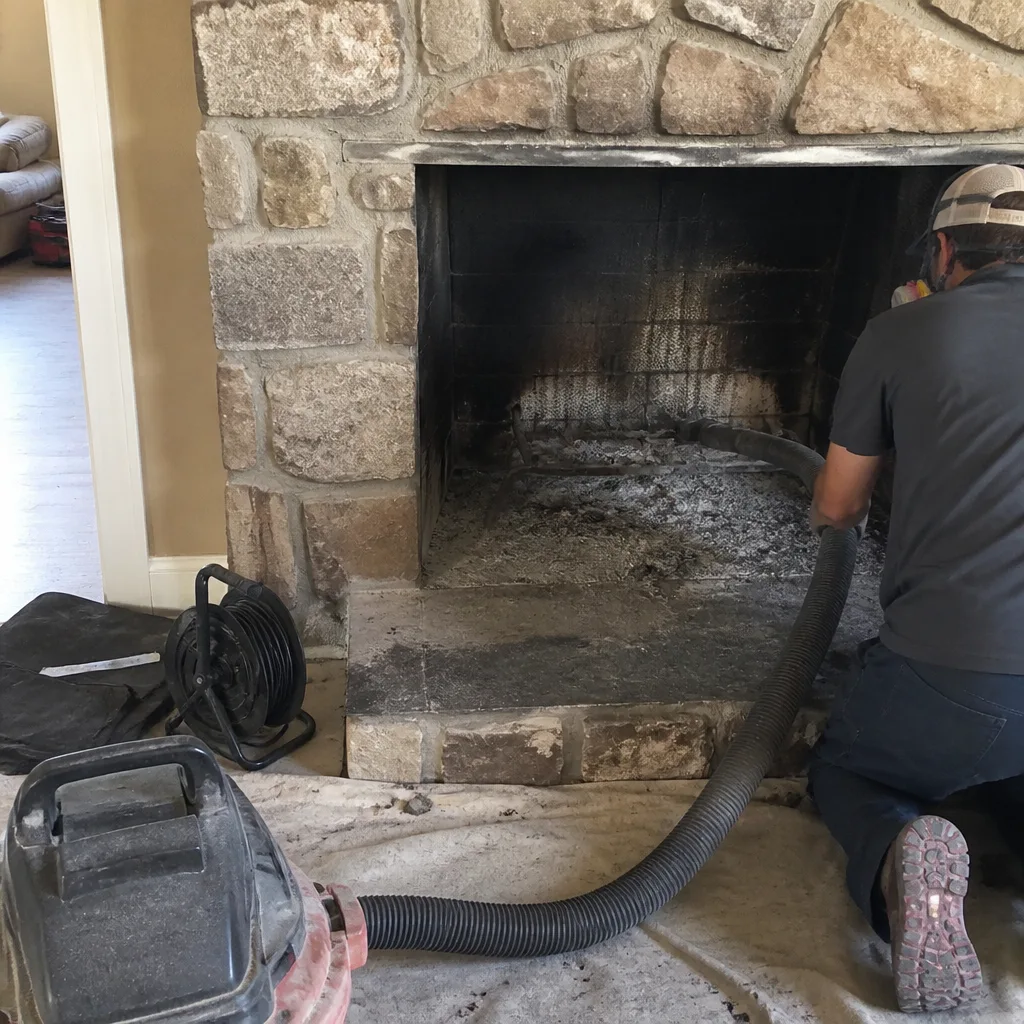 Before
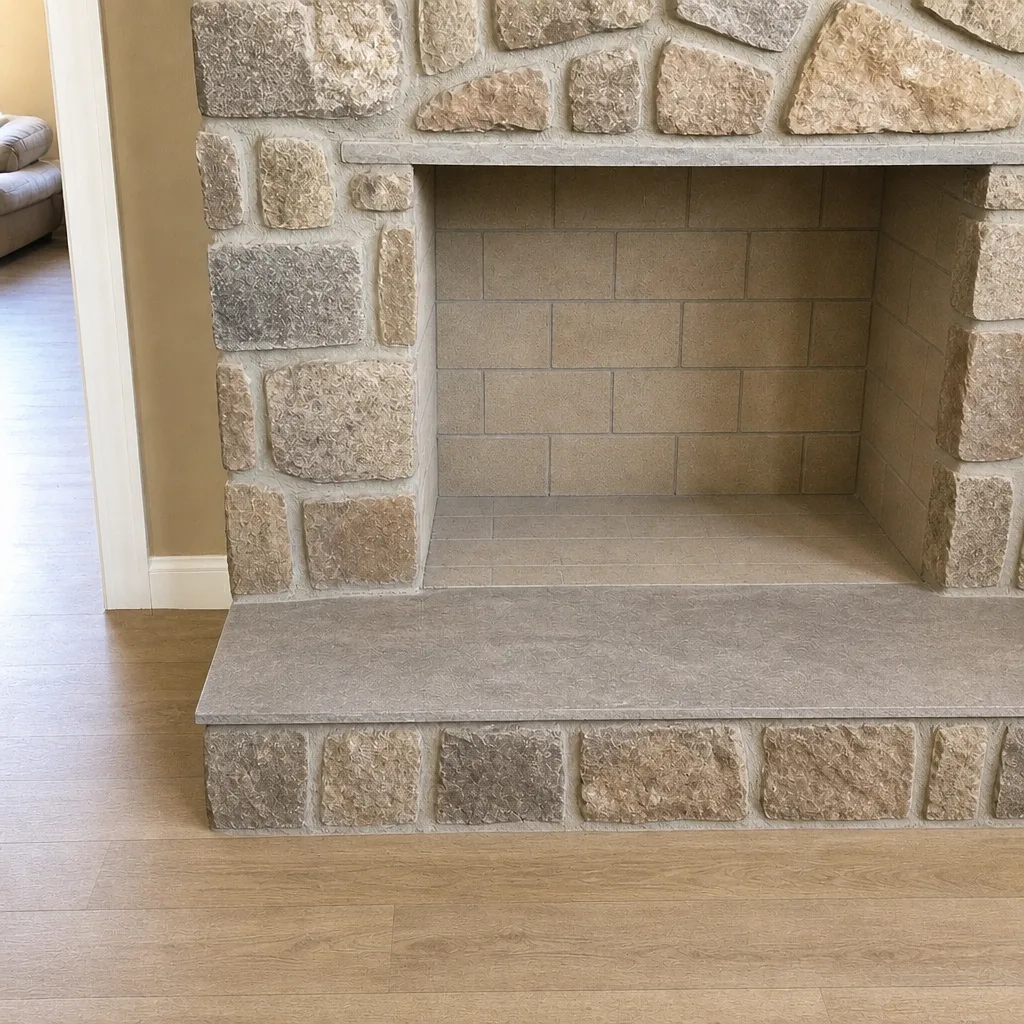 After
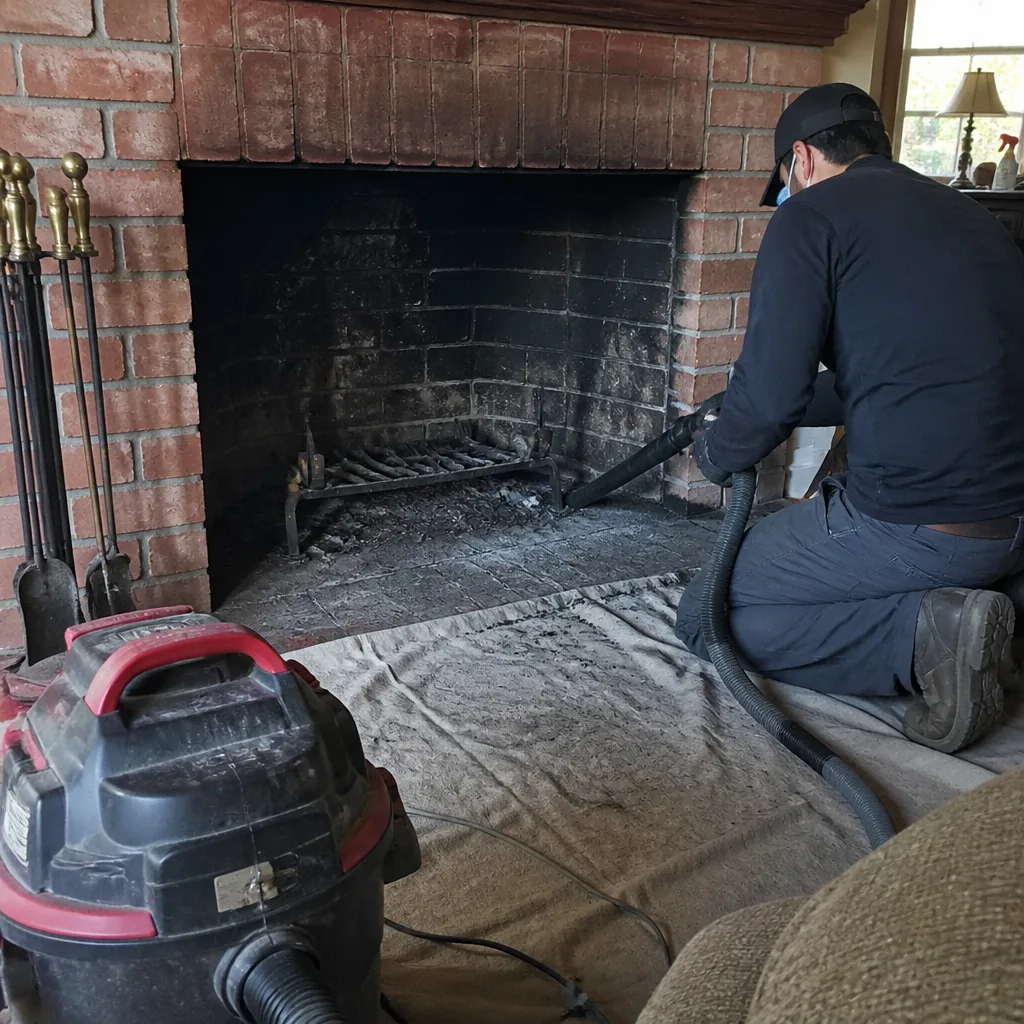 Before
 After
 Before
 After