
Last updated November 15, 2026
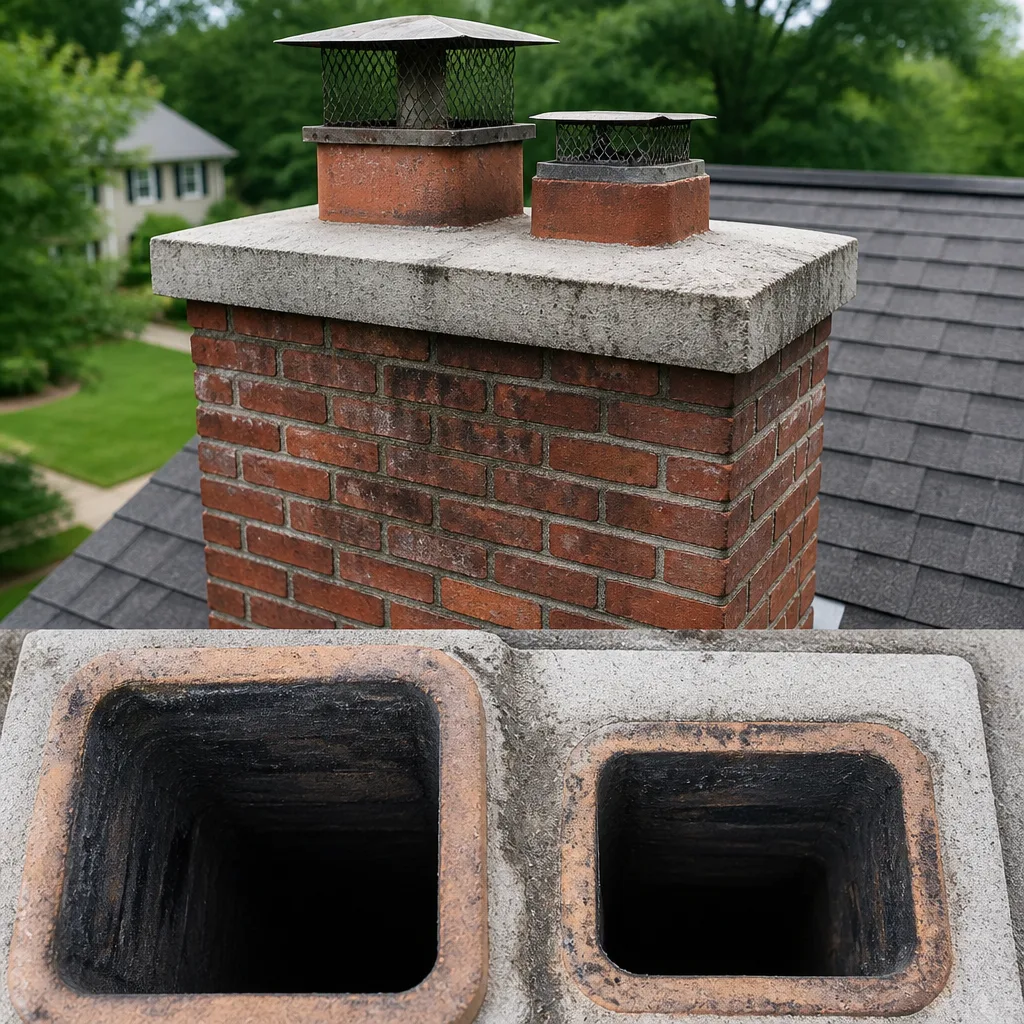 Sweep & inspection
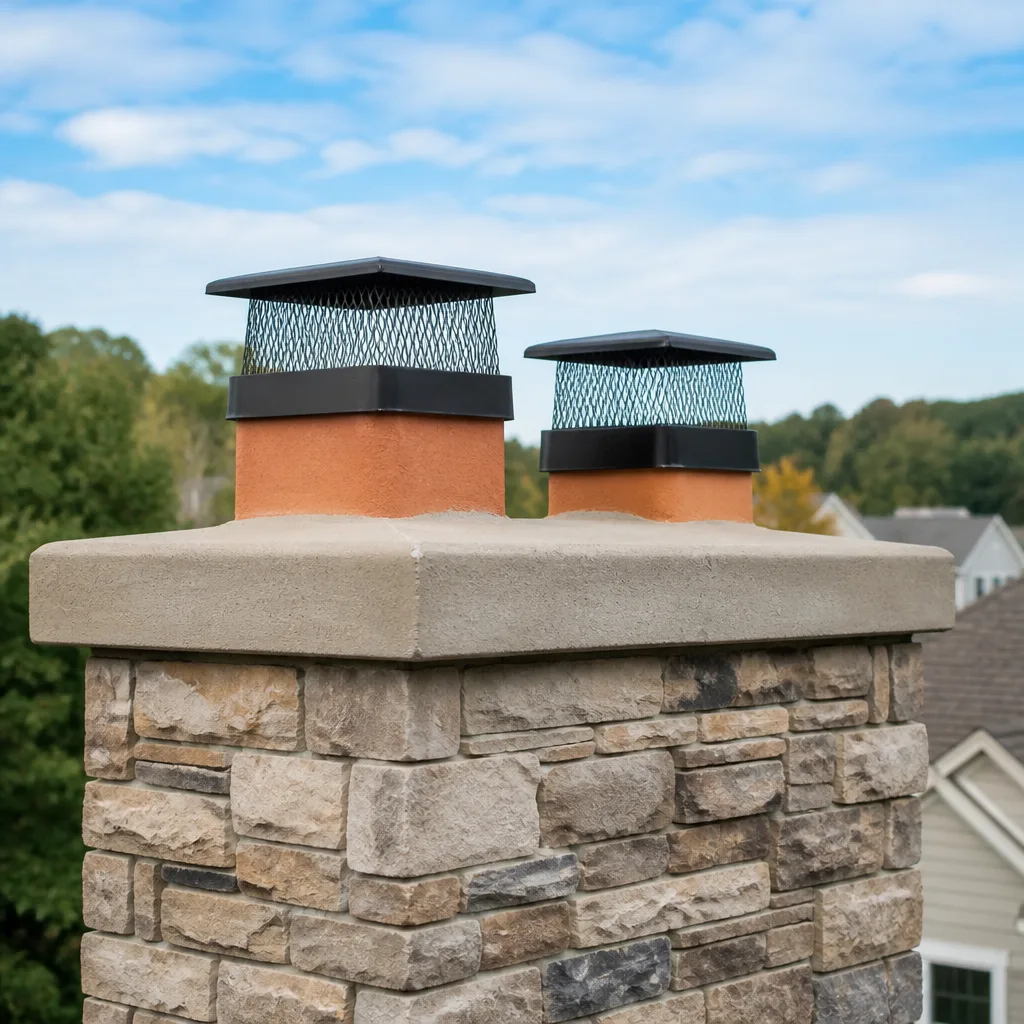 Caps & crowns
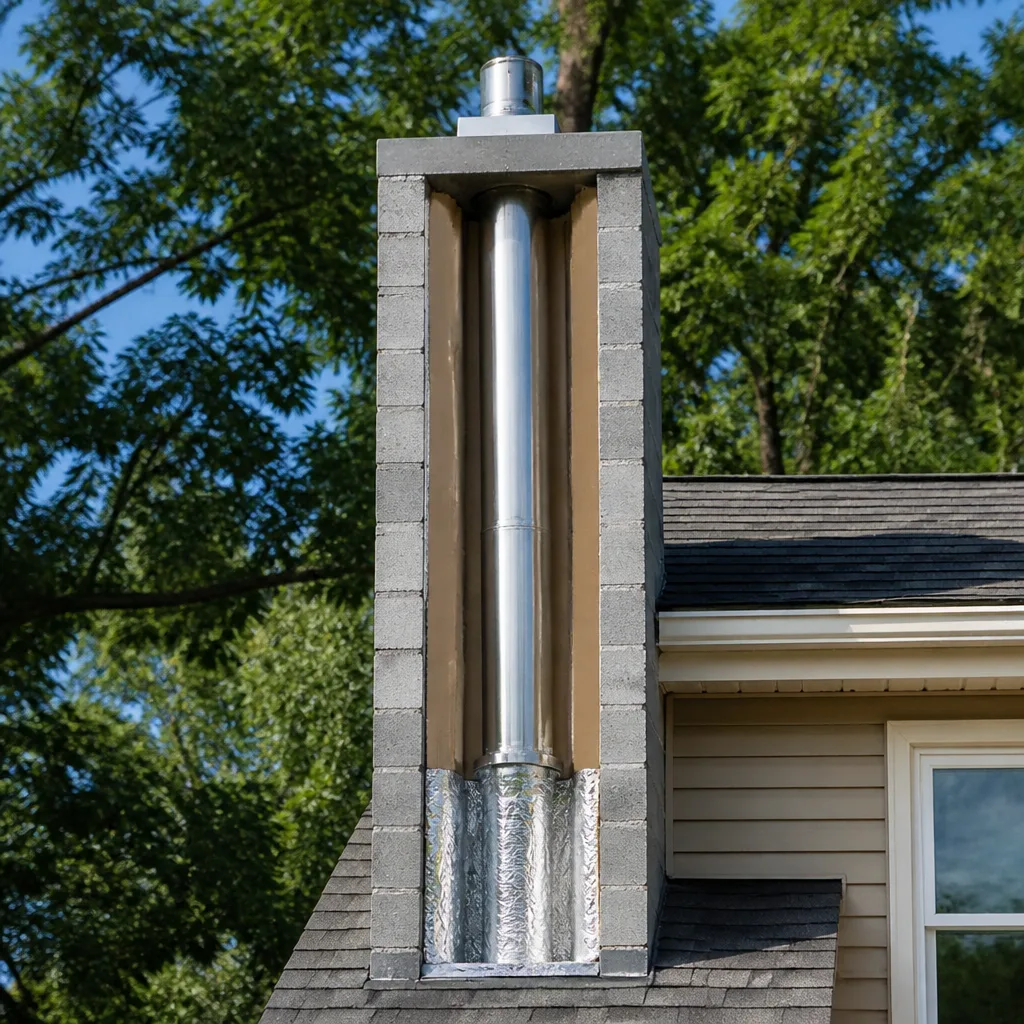 Flue relining
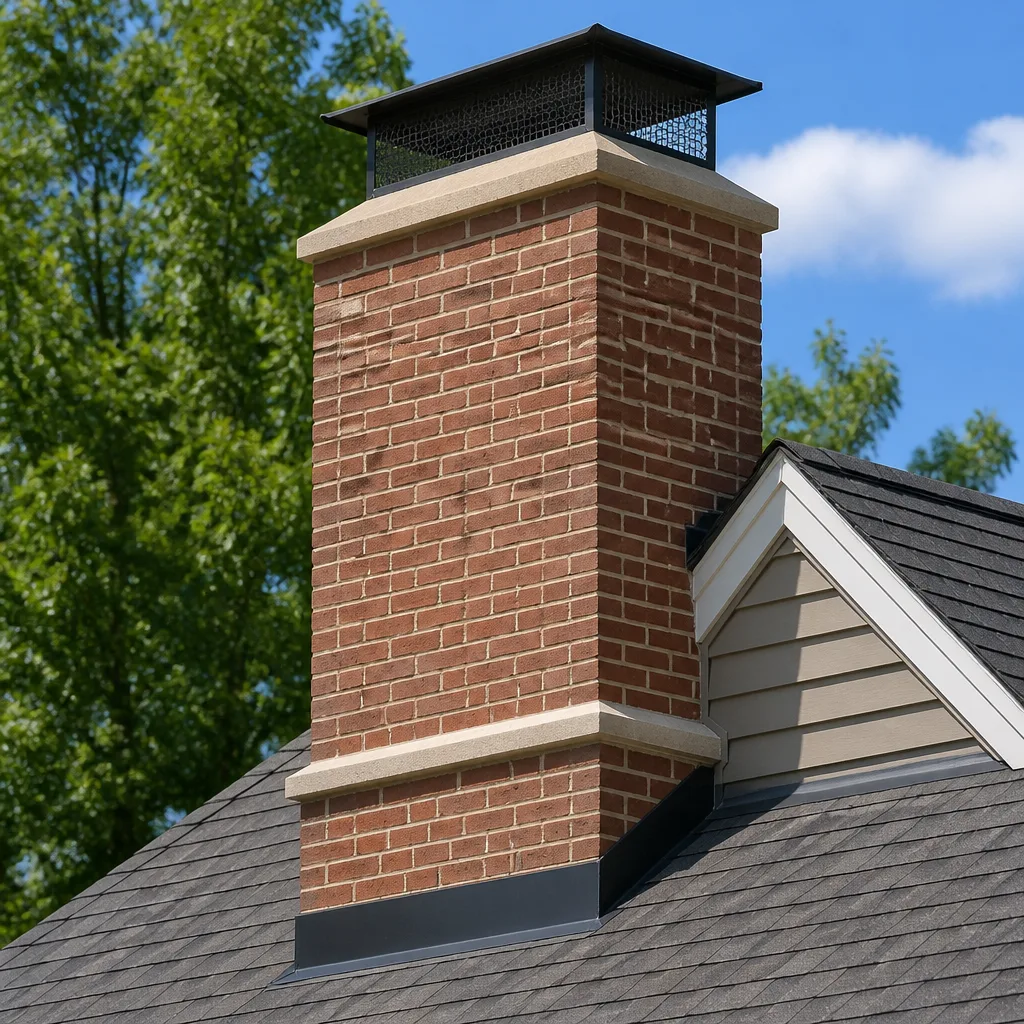 Masonry repair
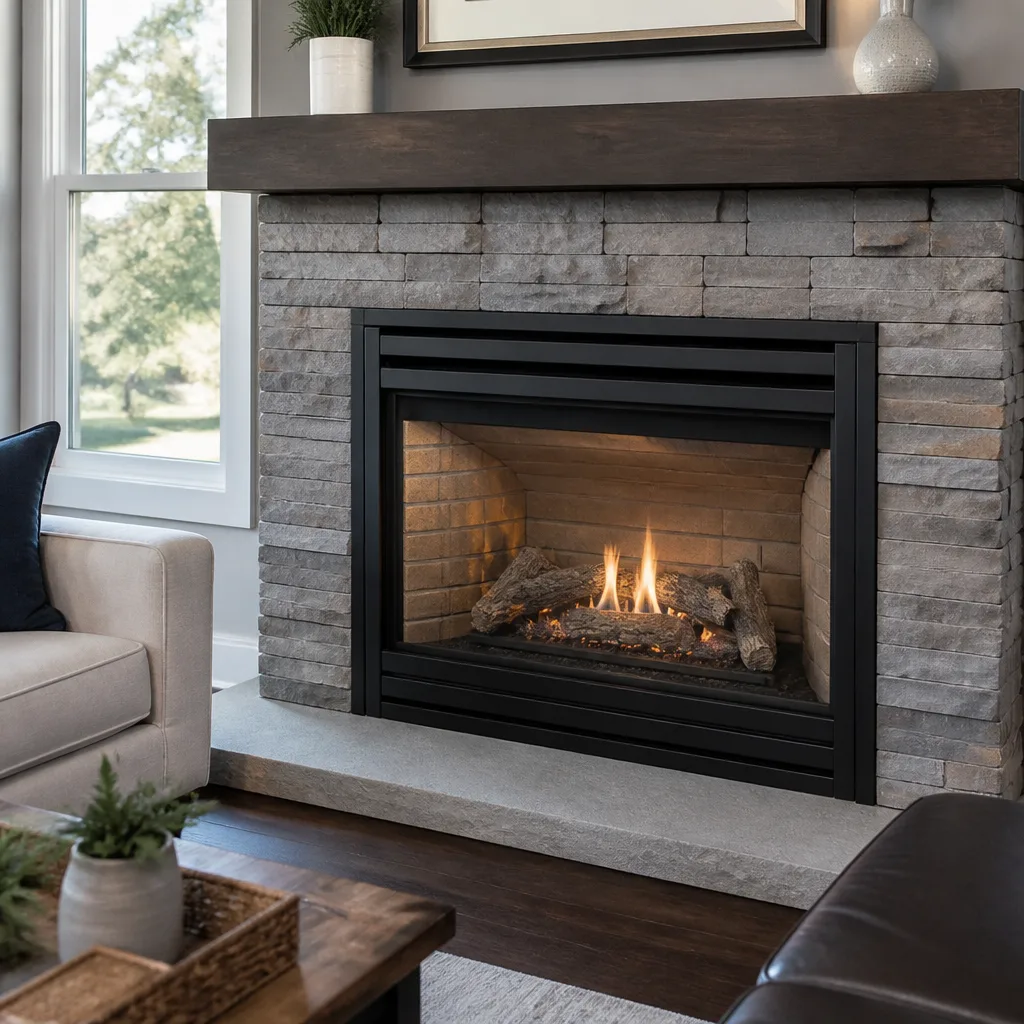 Gas fireplace service
Level 1 sweep and inspection to the NFPA 211 annual standard - flue, crown, cap, and flashing checked and photographed
Chimney sweep logs do not sweep chimneys. They loosen some creosote - which then falls where a brush and vacuum still have to collect it.
Chimney Sweep Troubleshooting in Fairfield: Common Problems and How to Fix Them
If your fireplace smokes into the room only on cold mornings, that isn’t a dirty flue. It’s a pressure problem, and no amount of sweeping will fix it. This is the single most common misdiagnosis we see in Fairfield: homeowners treat a draft symptom with a cleaning solution, pay for a sweep, and watch the smoke come back the next cold snap. The same pattern shows up with smells, slow draws, and soot stains that reappear weeks after a cleaning. What follows is a working guide to reading your chimney’s actual signals so you can tell a blockage from a pressure problem from a failed liner before you spend money on the wrong fix. We’ll walk through the tests you can run yourself, the failures you can spot from the ground, and the ones that mean stop using the fireplace today.
Quick Answer
Most chimney problems in Fairfield trace back to one of four causes: a blockage, a draft or pressure problem, a failed component (liner, crown, cap), or a combustion air shortfall. Match the symptom to the cause before booking any work. Smoke that appears only in certain weather is almost always pressure or draft, not a dirty flue. Cracked liners, efflorescence streaks inside the firebox, and Stage 3 creosote mean stop using the fireplace and get an inspection. Everything else can usually be monitored or scheduled.
Styles & brands we work with
- Sweep & inspection
- Caps & crowns
- Flue relining
- Masonry repair
- Gas fireplace service
Table of Contents
- Distinguishing a Draft Problem, a Blockage, and a Combustion Air Problem
- Why Fairfield Homes Develop Chronic Negative Pressure
- Which Creosote Stage You’re Actually Dealing With
- Reading Your Chimney From the Ground: Liner, Mortar, Crown, Cap
- Safe to Monitor vs. Stop Using the Fireplace Now
- The Dryer Vent Is the Same Kind of Problem
- What a Real Inspection Covers in Fairfield
- Repair Options, From Resurfacing to Full Relining
Distinguishing a Draft Problem, a Blockage, and a Combustion Air Problem
These three failures produce overlapping symptoms, which is why they get confused. A smoky firebox can mean a bird nest in the flue, a house that’s too tight to feed the fire, or a chimney that’s too short or too cold to establish draft. Before you call anyone, run three simple checks to narrow it down.
The candle test. With the fireplace cold and no fire burning, light a candle and hold it near the open damper, then just inside the firebox. If the flame pulls steadily toward the flue, you have draft. If it stands straight, flickers unpredictably, or pushes back into the room, the chimney isn’t drawing. That points you toward a blockage or a pressure problem, not creosote.
The smoke-behavior test. Light a small piece of newspaper or a smoke pencil near the firebox opening. Watch where the smoke goes. Smoke that curls out into the room immediately means reverse draft. Smoke that rises partway and then stalls means weak draft. Smoke that goes up cleanly but the fire still struggles means you may have adequate draft but insufficient combustion air.
The crack-a-window test. If opening a nearby window clears the smoke problem, your house is starved for combustion air. This is the tell that separates a pressure problem from a blockage. A blocked flue gets worse no matter what you do with the windows.
- Blockage: candle won’t draw, smoke stalls at the damper, no change when a window opens. Likely nest, soot fall, or collapsed flue tile.
- Draft or pressure problem: candle flickers or reverses, window solves it, symptoms worse on cold mornings or windy days.
- Combustion air shortfall: window solves it, fire burns lazy even when flue is clear, often worse in tightly sealed modern homes.
If you can’t isolate it, that’s the point to bring in someone who can look at the whole system. We can usually sort it in one visit – our chimney sweep includes a camera inspection so we’re not guessing.
Why Fairfield Homes Develop Chronic Negative Pressure
Fairfield sits in a valley, and that geography matters for how your fireplace behaves. Cold air settles into low ground at night, and a house sitting in that cold pool is trying to draw air from wherever it can. Modern homes – especially the tighter-sealed construction that’s gone up across Fairfield over the past couple of decades – don’t leak enough air to feed a fire and exhaust appliances at the same time. When the range hood, bathroom fan, or furnace kicks on, it pulls air from the path of least resistance, and that path is often your chimney.
The result is a fireplace that works beautifully on a mild afternoon and smokes the minute the outside temperature drops. Homeowners often assume the flue is dirty, book a sweep, and find the chimney was clean all along. The real problem is that the house is running at negative pressure relative to the outside.
Signs you’re dealing with pressure and not a dirty flue:
- Smoke appears mainly on cold mornings or when the wind is from a particular direction.
- The problem vanishes when you crack a window.
- Smoke appears when the kitchen or bathroom exhaust fan turns on.
- Other fuel-burning appliances in the house also behave oddly.
- The chimney was recently swept and the symptom returned within weeks.
Fixes range from the cheap to the structural. Running a dedicated outside-air duct to the firebox is the standard answer for a genuinely starved house. So is a top-sealing damper that keeps the flue warm between fires. But the wrong fix wastes money, and a sweep won’t solve a pressure problem no matter how thorough it is. If we find that the chimney is clean and your symptoms match the list above, we’ll tell you so plainly instead of selling you another cleaning.
Which Creosote Stage You’re Actually Dealing With
Creosote builds up in three recognizable stages, and each one calls for different tools. More scrubbing is not the answer for advanced stages – at Stage 3, the deposit is glazed and rock-hard, and a brush just rides over it. Knowing which stage you’re looking at tells you whether a standard sweep is enough or whether you’re heading toward resurfacing or relining.
- Stage 1: Soot and light flaky deposits. Soft enough to come off with a normal brush. This is what routine cleaning handles.
- Stage 2: Crusty, brittle, sometimes papery deposits that have bonded to the flue wall. A brush loosens the surface but doesn’t remove the layer. A rotary tool and professional-grade chemicals are usually needed.
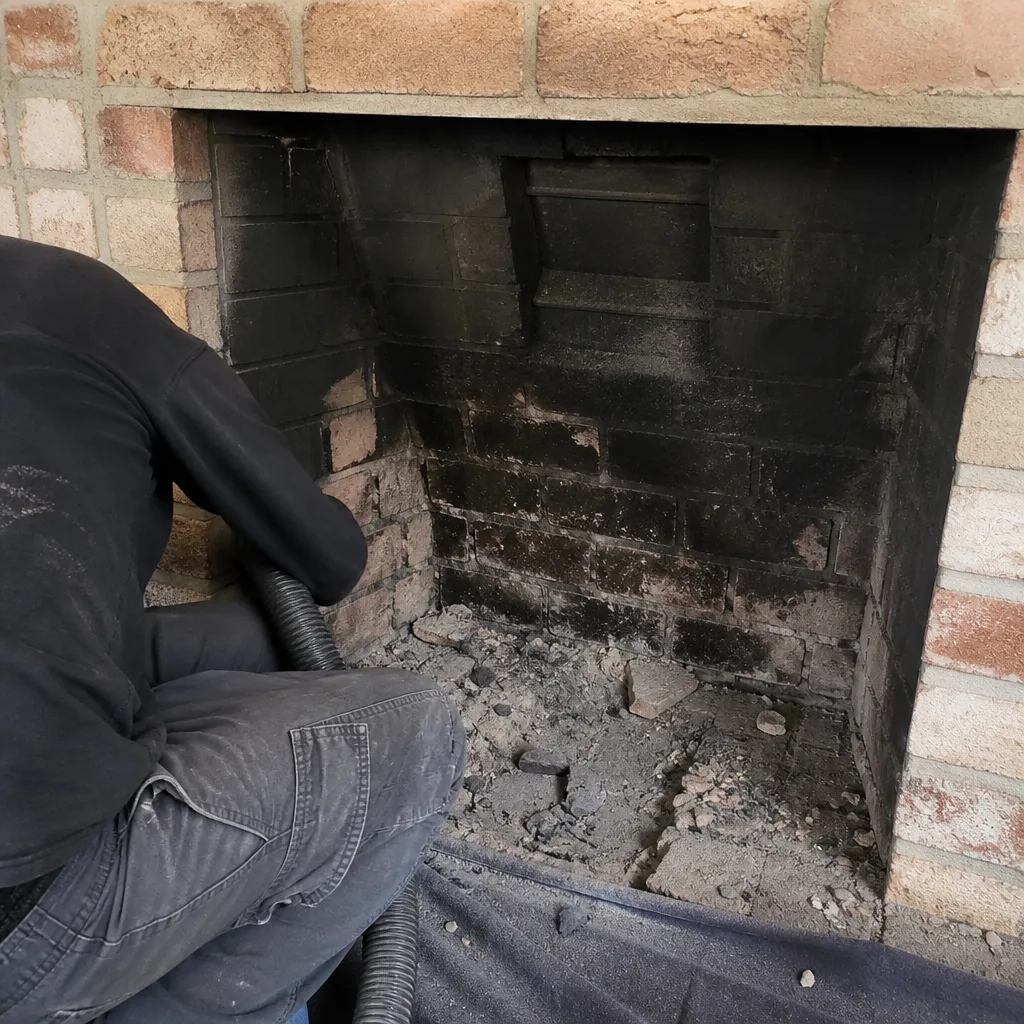
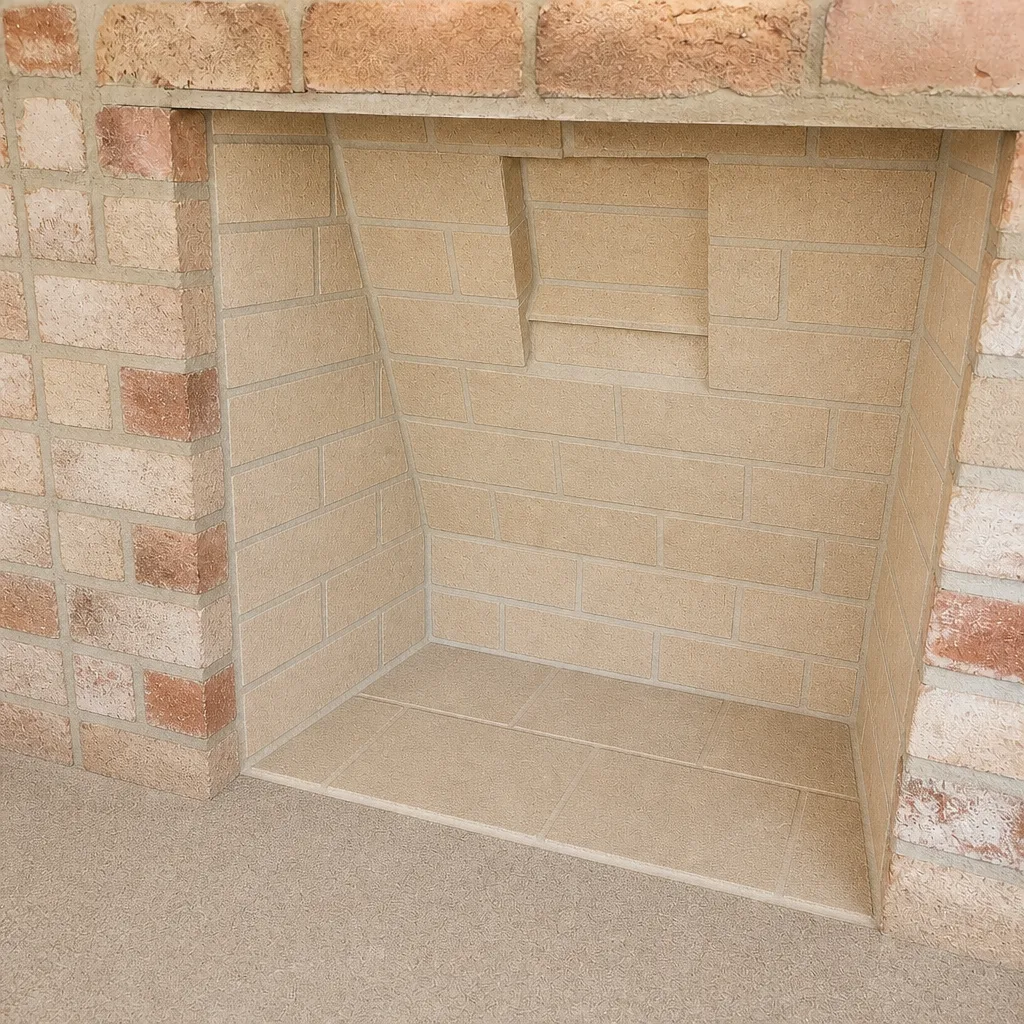
- Stage 3: Glazed, tar-like, hard as glass. This is the dangerous stage because it burns hot and can ignite readily. Brushing alone doesn’t touch it. This is where resurfacing systems like HeatShield come in, or a full reline when the flue itself is compromised.
You can develop a rough sense of where you stand by looking up the flue with a flashlight from the firebox, or from the roof if you can safely get there. A flaky black coating is Stage 1 or 2. A shiny, glassy surface is Stage 3. If you see either stage 2 or stage 3, book an inspection rather than trying to scrape it off yourself.
The reason the stage matters is cost and outcome. A Stage 1 chimney responds to standard cleaning. A Stage 3 chimney often needs professional resurfacing or the flue condition checked for damage underneath – the tar can hide cracks. We carry HeatShield for exactly this kind of restoration, and we can tell you on one visit which repair path makes sense.
Reading Your Chimney From the Ground: Liner, Mortar, Crown, Cap
You can learn a lot about your chimney’s condition without climbing anything. Walk the outside of the house once a season and look at four things. The pattern of failure is usually visible from a safe distance.
- The crown. Look at the concrete slab at the very top of the chimney. Hairline cracks are normal. Cracks wide enough to hold a coin, or visible chunks missing, mean water is getting into the masonry. A failing crown is the front end of most major chimney repairs.
- The cap and spark arrestor. A missing or damaged rain cap lets water and animals straight into the flue. Rusted or bent caps are a common cause of sudden blockages, especially in Fairfield’s older neighborhoods.
- The brickwork and mortar joints. Step back and look for white chalky streaks on the exterior. That’s efflorescence – water moving through the brick. Crumbling or recessed mortar joints between the bricks mean the chimney is absorbing water and the masonry is beginning to fail.
- The flue tiles at the top. Look straight down the flue with binoculars if you can see it safely. Cracked or separated flue tiles at the crown level usually mean the same has happened further down.
Inside the firebox, look for efflorescence streaks on the firebrick and any dark staining that wasn’t there before. Efflorescence inside the firebox is a serious signal because it means moisture is moving through the chimney from a cracked liner or failing mortar joints. That’s the point where you stop burning until the chimney has been inspected.
Liner damage, mortar joint failure, and crown failure are three distinct problems with three distinct fixes, which is why guessing at them from the ground has limits. But the four checks above tell you whether to call now and what kind of inspection you likely need. When we can’t tell for certain from the outside, we run a camera down the flue and send you the photos before we recommend anything.
Safe to Monitor vs. Stop Using the Fireplace Now
Not every chimney problem needs an emergency response, and not every minor one can wait. The line between the two is clearer than most homeowners expect, and it’s about protecting the house from fire and carbon monoxide exposure.
Stop using the fireplace and call us:
- Cracked or missing flue tiles inside the firebox or visible from the top.
- Efflorescence streaks (white stains) inside the firebox.
- Stage 3 glazed creosote visible anywhere in the flue.
- A strong chemical or tar smell coming from the fireplace when it’s not in use.
- Smoke or carbon monoxide detector alarms going off when the fireplace runs.
Safe to monitor, but book an inspection:
- A slow draw that improves when you pre-warm the flue with a rolled newspaper.
- Occasional smoke on windy days.
- Minor soot dust on the firebox face.
- Hairline cracks in the crown that haven’t grown since last year.
The gap between these lists matters because a cracked liner can push carbon monoxide and smoke into the house instead of up the chimney. That’s not a problem to monitor over a season. If you’re unsure which list your symptom belongs on, err on the side of stopping until someone looks at it. A camera inspection shows you the flue condition directly, and that’s a check we recommend before the first burn of the season in Fairfield – it’s the cheapest point in the year to catch a problem.
The Dryer Vent Is the Same Kind of Problem
Lint in a dryer vent does the same thing creosote does in a chimney: it builds up, it lowers airflow, and at sufficient concentration it can ignite. The cause is the same – restricted airflow against a heat source. The reason we treat the two together is that most homeowners think of chimney and dryer vent as unrelated systems and end up scheduling two separate contractors for the same class of problem.
The signs of a clogged dryer vent are specific. Clothes take longer than usual to dry. The dryer body feels hot to the touch while running. The exterior vent flap doesn’t open fully when the dryer is on. You smell warm lint in the laundry room. Lint is visible around the vent hood outside. Any one of these means the vent is restricted and should be cleaned.
The overall approach is the same as for your chimney: camera inspection, physical cleaning, then a visual check that airflow is restored and the vent path is clear. dryer vent cleaning booked alongside your chimney sweep closes a fire-safety gap that a lot of homes in Fairfield live with because nobody has thought to check the vent in years.
If you want one visit to cover both, tell us when you book. Same crew, same day. Both systems, both inspected.
What a Real Inspection Covers in Fairfield
An inspection is not the same as a sweep, and the difference matters when you’re trying to figure out what’s wrong with your chimney. A sweep cleans. An inspection diagnoses. You want both from the same visit so nobody can tell you “the sweep found a problem, now hire our repair department” and hand you off to a second company.
Here’s what a real inspection walks through:
- Firebox and damper check: firebrick condition, damper operation, ash door seal, efflorescence.
- Flue camera walk-through: video inspection from the top of the chimney down, checking tile condition, creosote stage, and liner integrity.
- Crown, cap, and flashing: visual inspection from the roof with photos of any damage.
- Chimney exterior: brickwork, mortar joints, efflorescence, and any signs of water intrusion.
- Draft test: whether the chimney establishes draft under normal and cold-morning conditions.
- Appliance connections: any gas, oil, or wood appliance connected to the flue and whether its venting meets current requirements.
- Written report with photos: what was found, what’s urgent, what can wait, and what the fix costs.
When we work with Fairfield homes, the camera is the point. A homeowner who sees the actual footage of their flue doesn’t need to trust us on faith. They can see the creosote, the crack, the missing tile, and then decide.
That’s the honesty standard. We don’t recommend liner or masonry work you can’t verify yourself, and we’ll tell you when work can safely wait to a future season. The inspection gives you the evidence. The written report gives you the price. Neither commits you to anything.
Repair Options, From Resurfacing to Full Relining
Once a problem is diagnosed, the fix range is narrower than most people expect. Most chimney repairs in Fairfield fall into one of four categories, and the cheapest option that actually solves the problem is the one we recommend.
Resurfacing (HeatShield). When the flue tiles are intact but the inner surface is deteriorating, cracked, or coated with Stage 2 or Stage 3 creosote that won’t come off, HeatShield resurfacing restores the flue interior without pulling it out and replacing it. This is the repair path that saves the cost of full relining when the existing structure can support it. It’s the option many sweep-only companies can’t offer, which is why some homeowners are told they need a full reline when resurfacing would have solved the problem.
Full relining. When the existing flue tiles are cracked, separated, or missing, or when the original flue was never sized correctly for the appliance, a new liner is the safest path. We work with DuraFlex for flexible stainless relining because it handles offset flues and irregular paths without cutting. A reline is the right answer when the chimney’s structure can no longer be trusted to contain the fire.
Component repairs. Caps, crowns, dampers, and venting components from Gelco, Olympia Chimney, Famco, and Copperfield. These are the pieces that protect the flue from water and animals – a missing cap is often the start of a much larger repair because water finds its way in from the top.
Masonry repair. Repointing mortar joints, rebuilding a failing crown, replacing spalled brick on the exterior. Most masonry repairs in Fairfield are driven by water intrusion from the top, so the crown and cap work usually prevents a second round of repointing.
The point is that diagnosis and fix happen with the same crew. You don’t get a report you have to take to a second company for pricing, and you don’t discover halfway through that the person who identified the problem can’t fix it. Fairfield Chimney Cleaning does the sweep, the inspection, and the repair so the handoff problem doesn’t happen to you.
Common Mistakes to Avoid
- Assuming every smoky fire is a dirty flue. Run the candle test and the window test before booking a sweep. In Fairfield, a lot of “smoky fireplace” calls turn out to be pressure problems, not buildup, and a sweep doesn’t fix a pressure problem.
- Burning through Stage 3 creosote to “burn it off.” A hot fire in a flue coated with glazed creosote is the fastest way to start a chimney fire. Stage 3 needs professional treatment, not a bigger log.
- Ignoring efflorescence inside the firebox. White stains on the firebrick are water moving through the flue, which almost always means a cracked liner or failing mortar joints. The longer you burn, the more damage the water does.
- Letting a missing cap stay missing. Rain, birds, and squirrels all find an uncapped flue. A cap costs far less than the blockage or masonry damage it prevents, and the fix is quick.
- Skipping the dryer vent because the chimney is the “real” concern. Lint is fuel. If your clothes take longer to dry or the vent flap outside the house doesn’t open fully, the vent needs cleaning just as much as the chimney does.
- Hiring a sweep-only company for a repair problem. If the sweep uncovers damage and doesn’t do repairs, you’re back to square one with a second contractor. Book a company that can diagnose and fix on the same visit.
- Burning wet or unseasoned wood to save money. Wet wood produces far more creosote per fire, which accelerates buildup back to Stage 2 or 3 within a season. Seasoned firewood is cheaper than the creosote removal it saves.
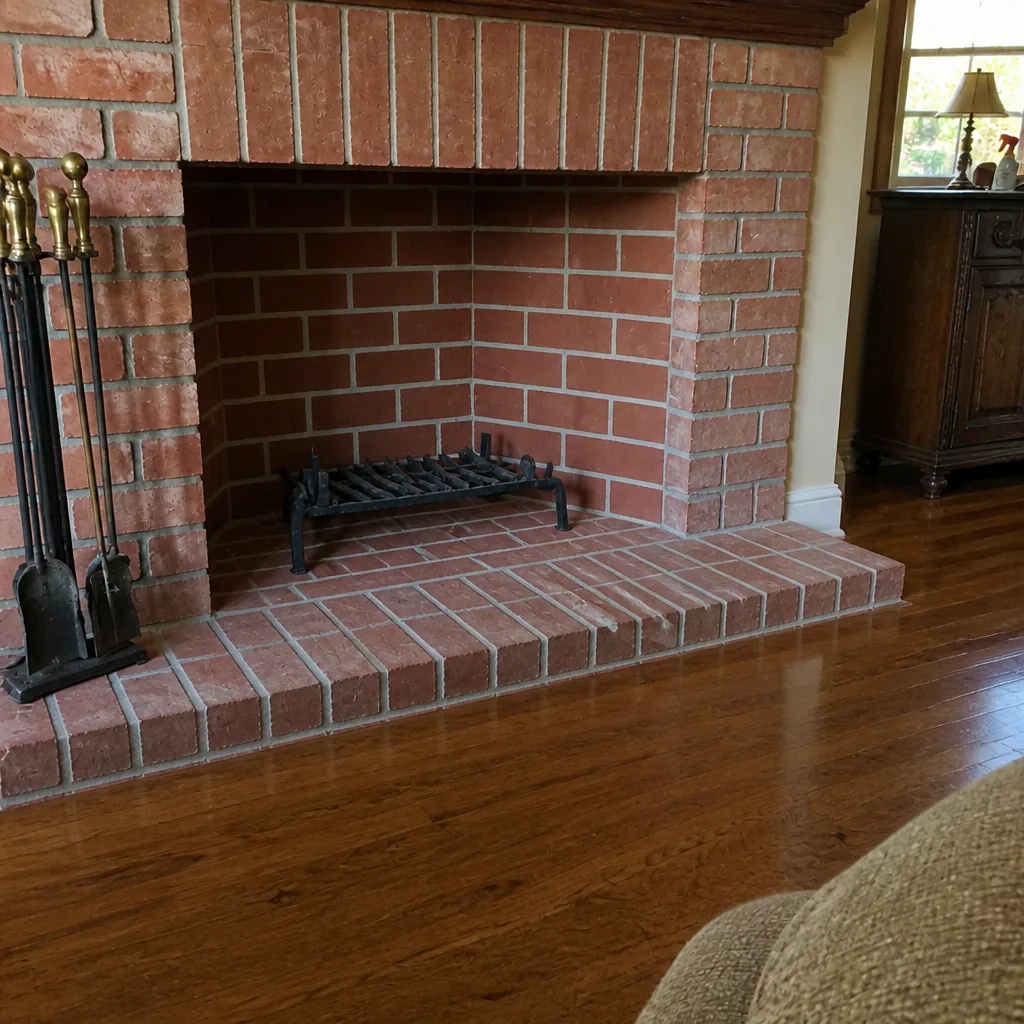
See the difference
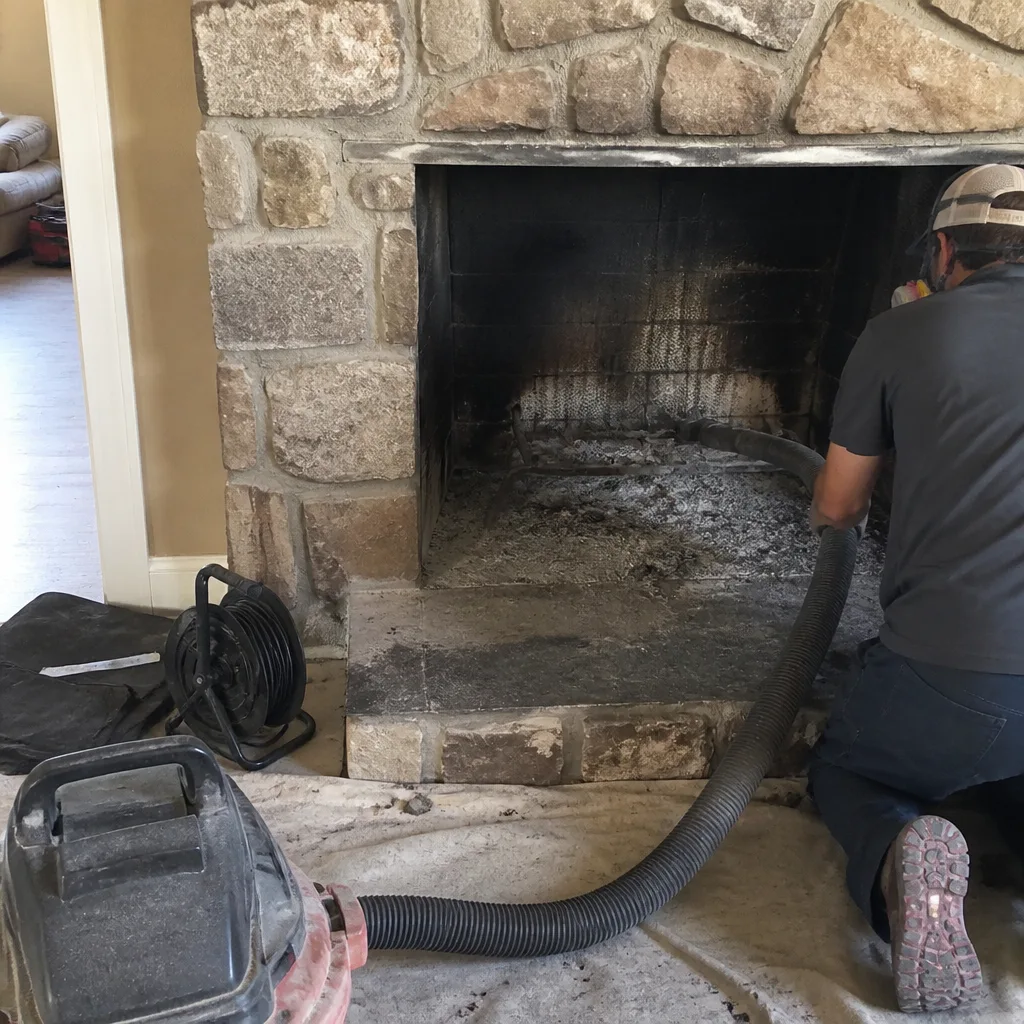 Before
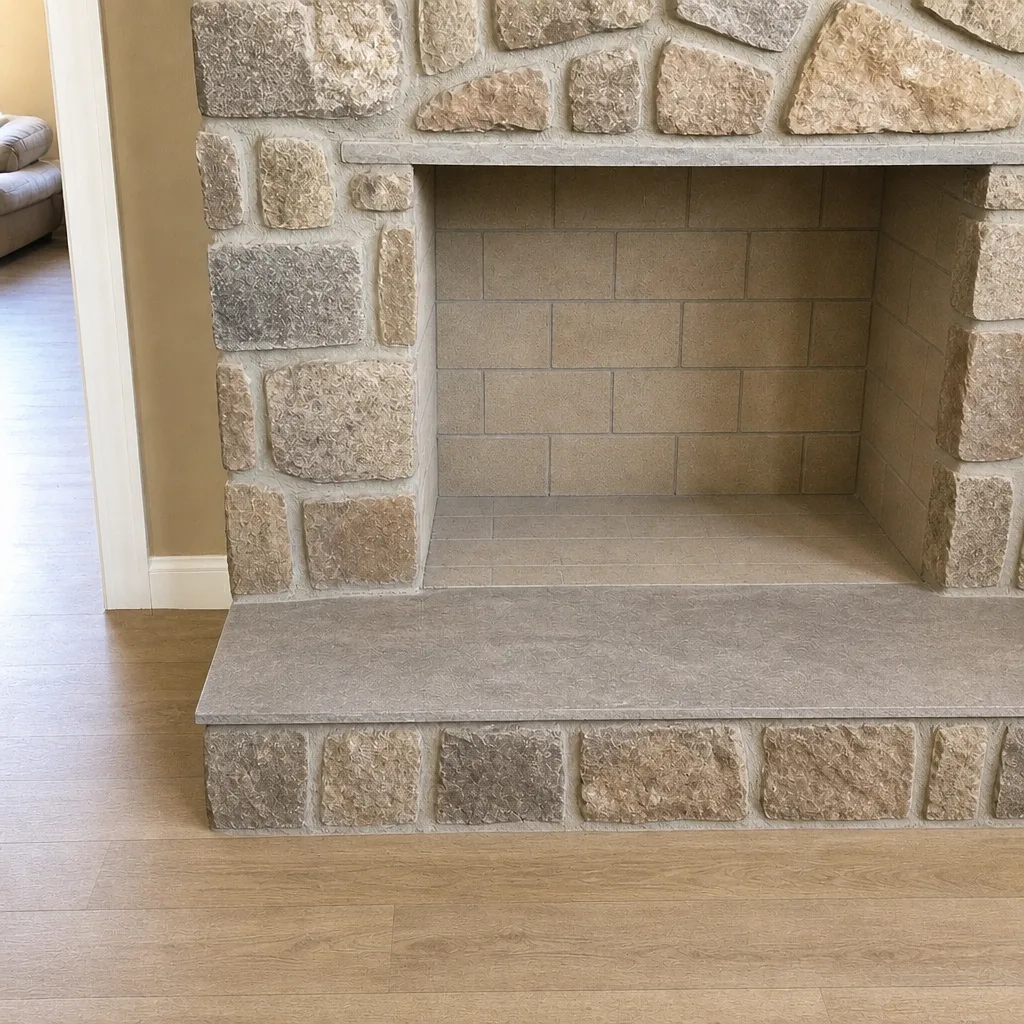 After
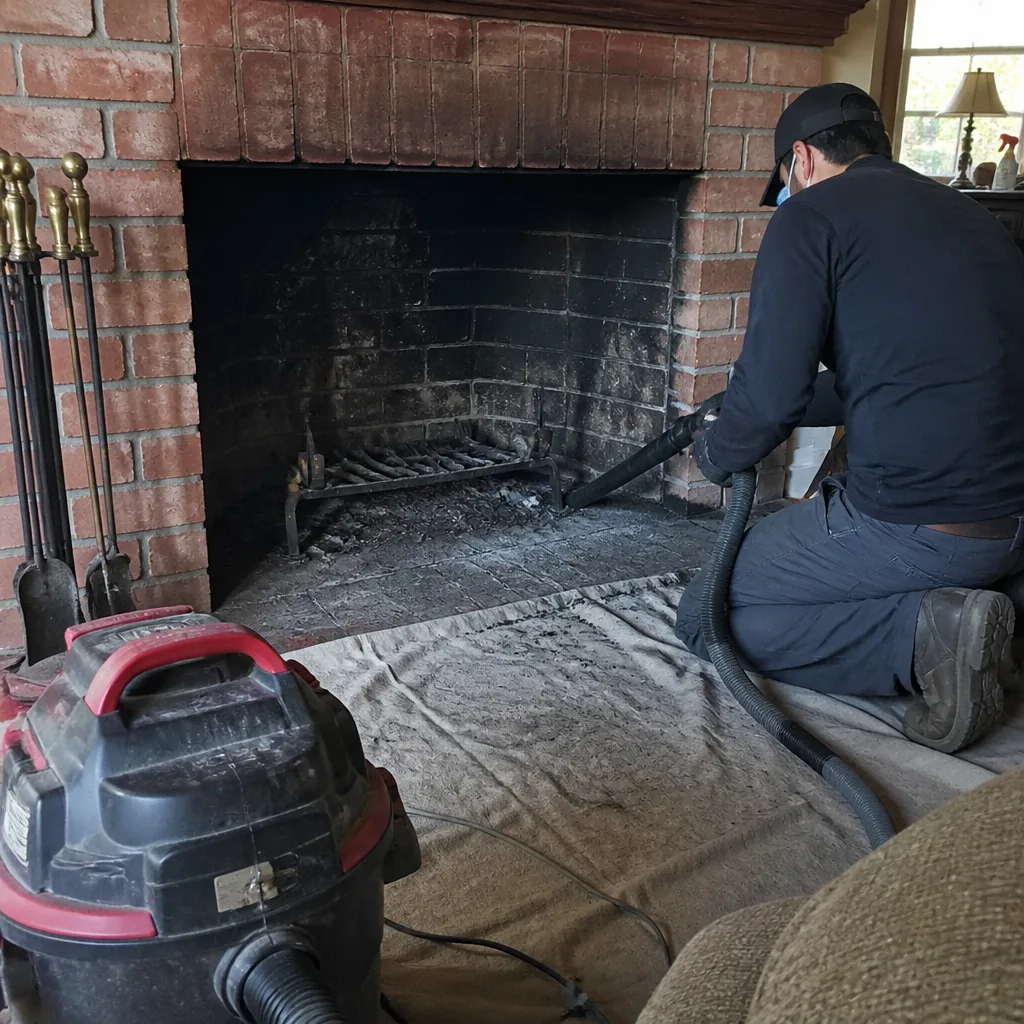 Before
 After
 Before
 After
When to Call a Professional
Call a professional if you see cracked or missing flue tiles, efflorescence inside the firebox, Stage 3 glazed creosote, or you smell tar or chemical odors from a fireplace that hasn’t been lit. Call if a carbon monoxide or smoke detector goes off when the fireplace runs. Call if smoke enters the room on cold mornings and doesn’t clear when a window is opened. Call if the dryer vent flap doesn’t open fully during the cycle or clothes take noticeably longer to dry. And call if it’s been more than a year since the chimney was last inspected – the annual check catches most of the problems in this guide before they become expensive. Fairfield Chimney Cleaning offers free estimates in Fairfield – call (833) 946-3479. We answer 24/7, with fast dispatch from 7am to 7pm, Sunday through Friday. Our technicians have up to 12 years of experience, and every recommendation comes with camera evidence you can see for yourself.
Frequently Asked Questions
Most chimney sweep visits in Fairfield fall in a modest range compared with repair work, and the trip is priced by written estimate before any work begins. The estimate is free, and the sweep includes a camera inspection so you know what condition the flue is actually in. Call (833) 946-3479 for an exact quote – estimates are free.
Not always. Resurfacing with HeatShield can restore a deteriorating flue interior without replacing the liner, and that’s the repair path we check first when the existing structure is sound. A full reline is necessary when the flue tiles are cracked, separated, or missing. We show you the camera footage and let you see the difference. Call (833) 946-3479 for an inspection.
Most wood-burning chimneys should be inspected once a year and swept when the inspection shows buildup. A fireplace used regularly through the winter usually needs at least an annual sweep. A gas appliance with a flue should still be checked yearly for blockages and venting problems – the buildup is different but the risks aren’t zero. Call (833) 946-3479 to book a check before the next burn season.
Creosote accumulates, and at Stage 2 or 3 it becomes a genuine fire risk inside the flue. Blockages from nesting animals or soot falls can also push carbon monoxide into the house. The cheapest possible outcome is a routine sweep. The expensive outcomes are chimney fires and repair work. Call (833) 946-3479 to book before the season starts.
Smoke that appears only on cold mornings is almost certainly a pressure problem, not a dirty flue. Cold air settles into the valley overnight, and the house runs at negative pressure relative to the outside, which pulls smoke back into the room instead of up the chimney. A sweep won’t fix it. A combustion air solution or a top-sealing damper will. Call (833) 946-3479 to diagnose it properly.
No, and this is dangerous advice wherever it appears. Stage 3 glazed creosote is the most flammable form, and a hot fire in a flue coated with it can ignite a chimney fire. Stage 2 and 3 require professional treatment – brushes and chemicals for Stage 2, resurfacing or relining for Stage 3. Call (833) 946-3479 to have it assessed before you light another fire.
The Bottom Line
Most chimney problems look like one thing and turn out to be another. A smoky fireplace is more often a pressure problem than a dirty flue. White stains inside the firebox mean water is moving through the chimney, not that you need a sweep. Glazed creosote can’t be scrubbed off no matter how hard you try. The fix starts with the right diagnosis, and the right diagnosis starts with a camera. If you live in Fairfield and you can’t tell which of the problems in this guide you’re facing, that’s the moment to call. Fairfield Chimney Cleaning handles the sweep, the inspection, and the repair – HeatShield resurfacing, DuraFlex relining, Gelco, Olympia Chimney, Famco, and Copperfield components, all from the same crew. Call (833) 946-3479. We answer 24/7, with fast dispatch from 7am to 7pm, Sunday through Friday. Estimates are free.
Written by the team at Fairfield Chimney Cleaning.