
Last updated November 15, 2026
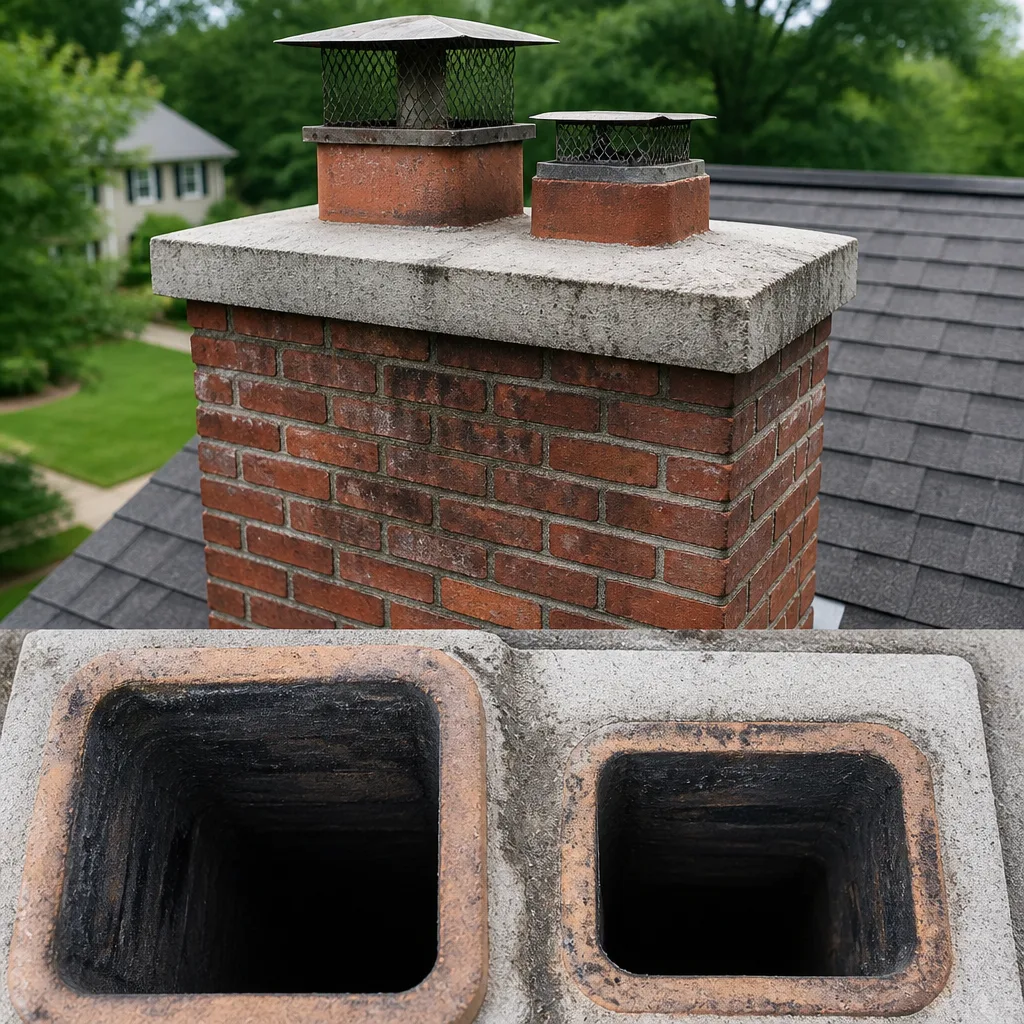 Sweep & inspection
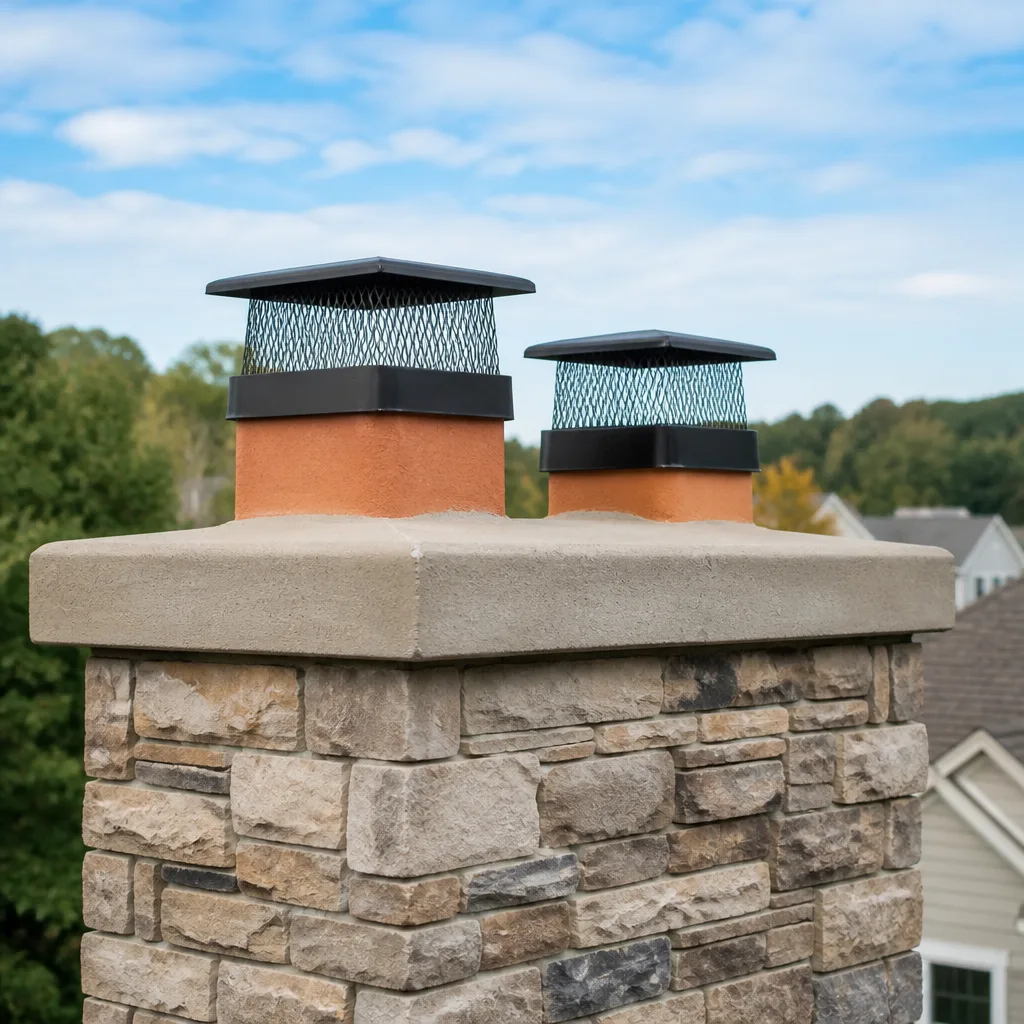 Caps & crowns
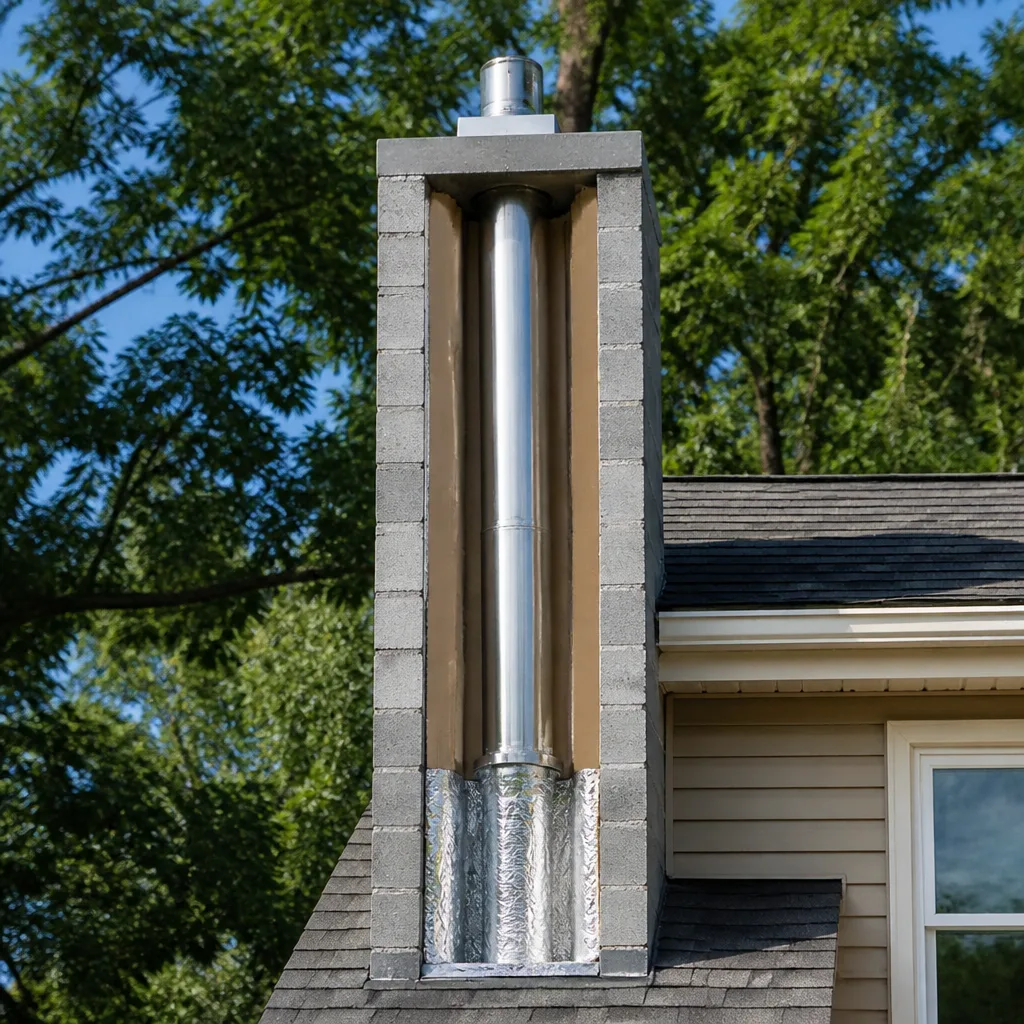 Flue relining
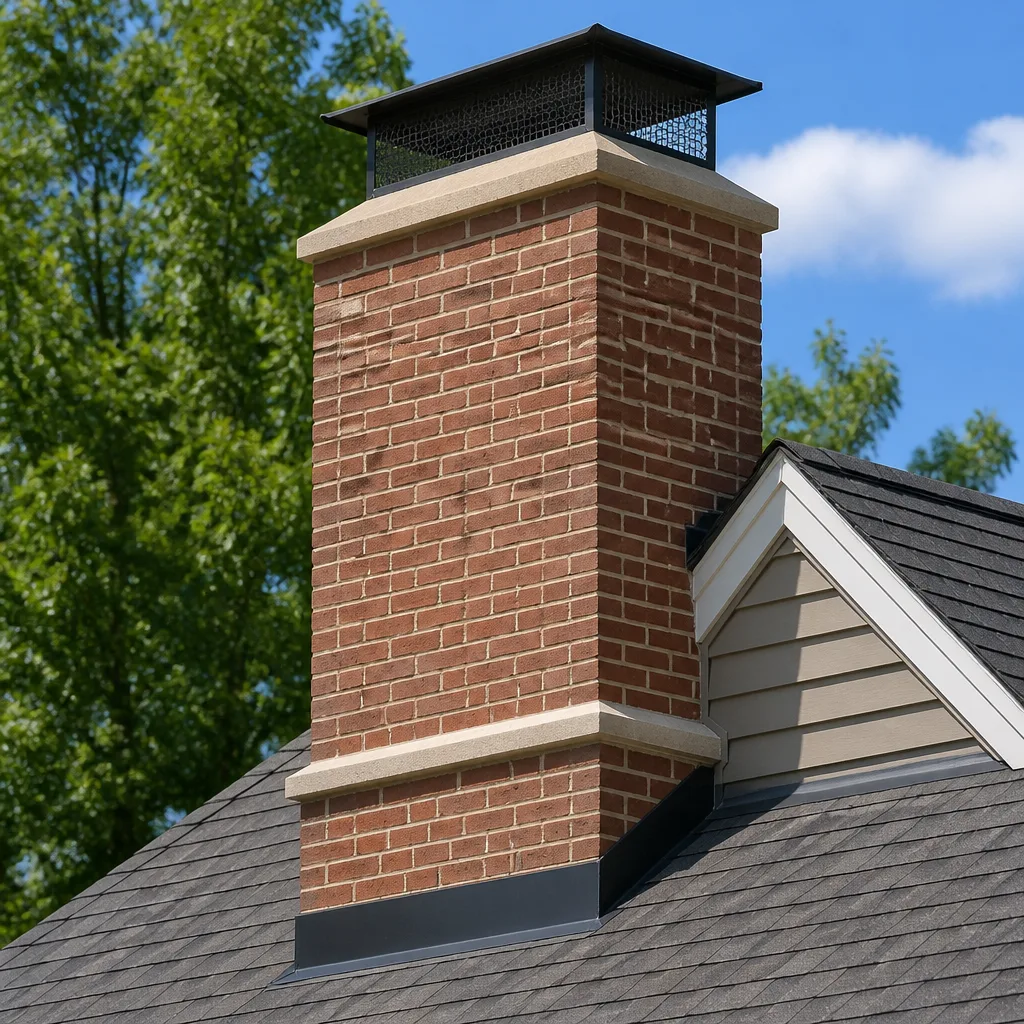 Masonry repair
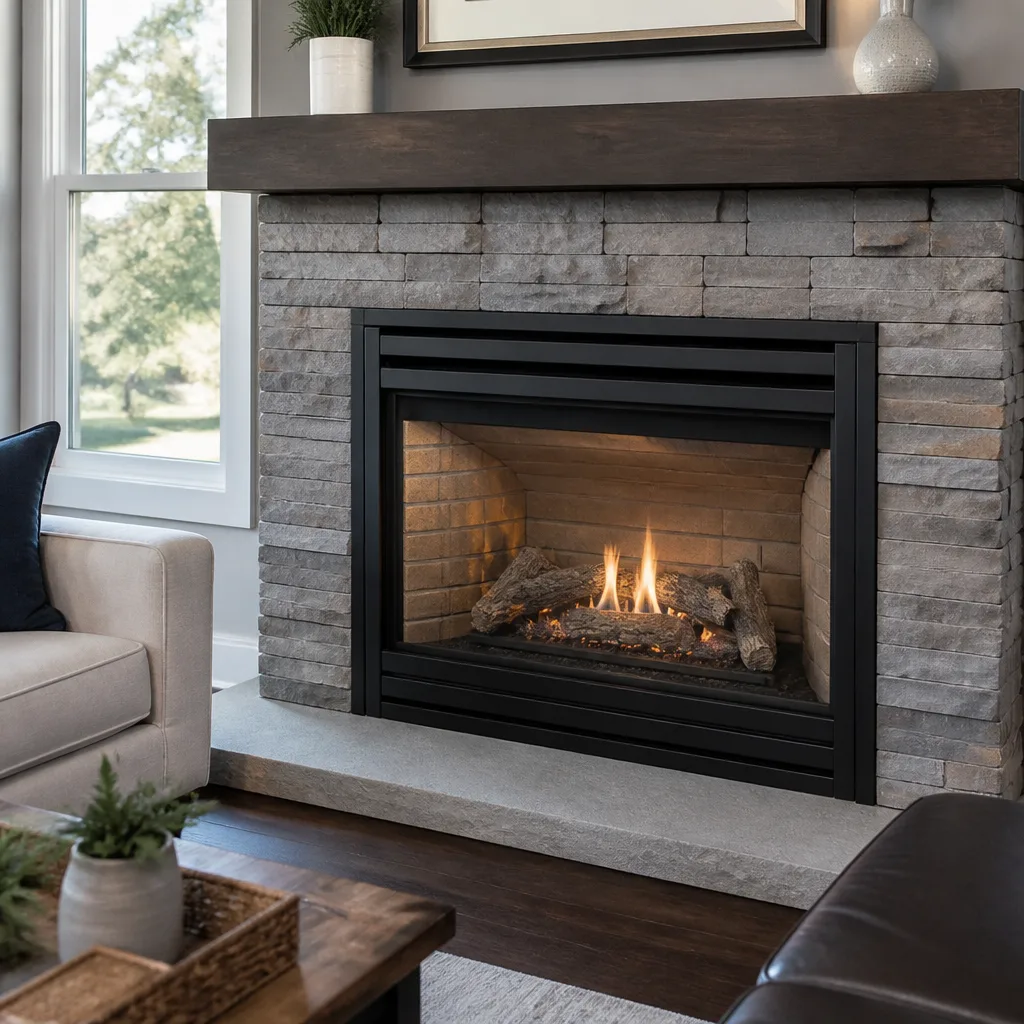 Gas fireplace service
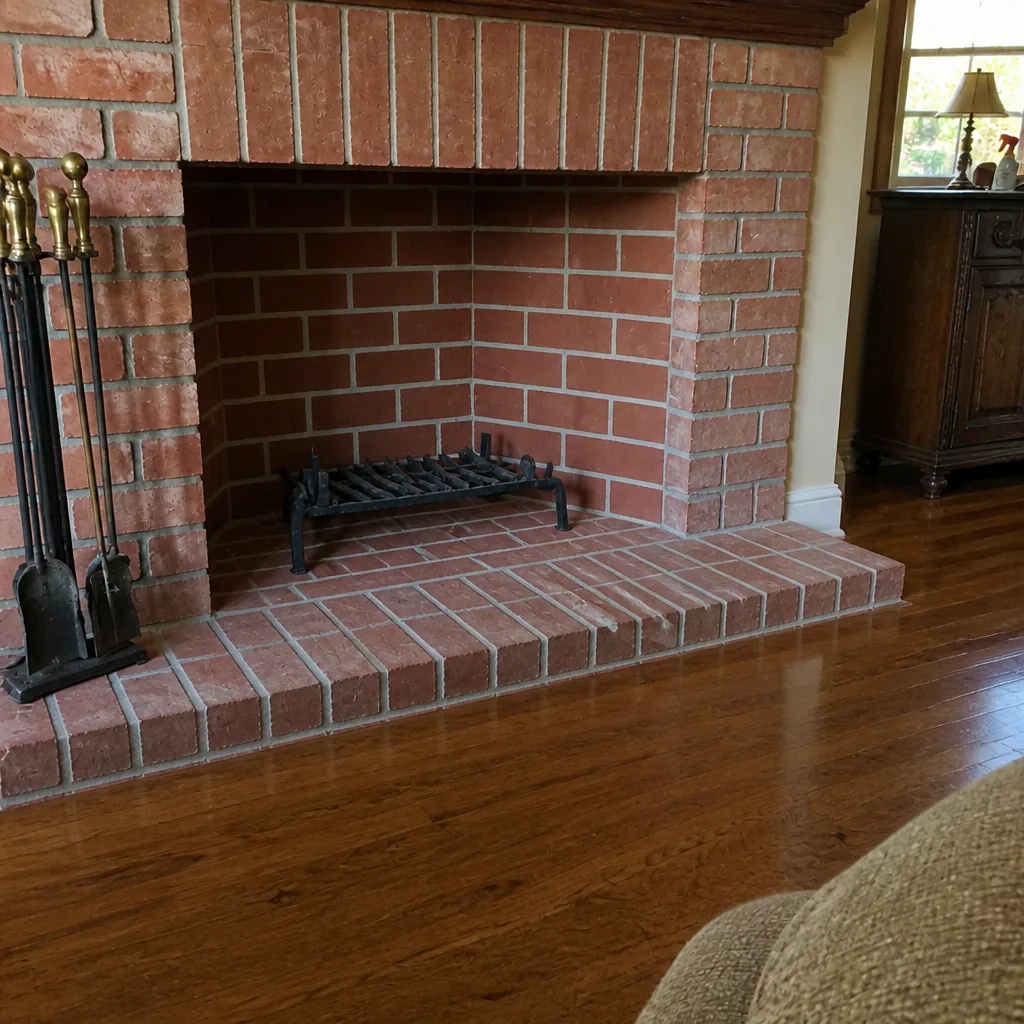
Level 1 sweep and inspection to the NFPA 211 annual standard - flue, crown, cap, and flashing checked and photographed
Chimney sweep logs do not sweep chimneys. They loosen some creosote - which then falls where a brush and vacuum still have to collect it.
How to Hire a Chimney Cleaning Contractor in Fairfield: A Step-by-Step Guide
Most homeowners in Fairfield think hiring a sweep is a price question. It isn’t. CSIA certification is the floor, not the ceiling, and a certified technician without a camera system cannot document what’s inside your liner, no matter how careful they are with the brush. Plenty of operations in this market don’t carry one. This guide walks you through the credentialing and scope-of-work questions that separate a real inspection from a visual once-over sold as one, so you can read an estimate, spot a low-bid operator, and know exactly what you’re paying for before anyone touches your flue in Fairfield.
Quick Answer
To hire a chimney cleaning contractor in Fairfield, verify three things before you book: the technician’s CSIA credential (check the number on the CSIA directory yourself), whether they use a camera system to inspect the flue, and whether they’re licensed as a C-54 specialty contractor in California. Then ask for a written, line-item estimate and a written post-job report. Price comes last. A sweep who can assess but cannot repair leaves you coordinating a second contractor, and a sweep who skips the camera leaves you with a visual impression instead of evidence.
Styles & brands we work with
- Sweep & inspection
- Caps & crowns
- Flue relining
- Masonry repair
- Gas fireplace service
Table of Contents
- What Do Chimney Credentials Actually Certify?
- The Five Questions to Ask Before You Book
- Red Flags Specific to Low-Bid Chimney Operations
- How to Read a Chimney Estimate
- What a Proper Post-Job Deliverable Looks Like
- Why Fairfield Homes Need a Different Hiring Standard
- Sweep, Repair, and Liner Work: One Crew or Two?
- Don’t Forget the Dryer Vent
- Common Mistakes to Avoid
- When to Call a Professional
- Frequently Asked Questions
What Do Chimney Credentials Actually Certify?
Chimney credentials certify specific knowledge, not a whole service. That distinction matters more in Fairfield than most homeowners realize, because a credential badge on a website tells you nothing about the equipment in the van.
The CSIA (Chimney Safety Institute of America) certification is the baseline. It tests a technician on sweeping practice, venting fundamentals, and code awareness. It does not certify that the technician owns a camera system, does not certify repair capability, and does not certify the business. The certification belongs to the individual, and it has to be renewed. Ask for the technician’s name and certification number, then look it up on the CSIA directory before the appointment. If a company can’t give you a name and number, that’s your answer.
NFI (National Fireplace Institute) certification covers hearth appliances: wood stoves, gas inserts, and the venting that serves them. It’s relevant if your home has a gas appliance on a masonry or metal flue, because the venting rules for gas are different from wood. A sweep who only handles wood may not know what to look for on a gas flue termination or a draft hood.
The C-DET (Certified Dryer Exhaust Technician) credential covers dryer vent systems. It’s a separate discipline from chimney work, and it’s the one most homeowners never ask about. If the same visit is going to address both your chimney and your dryer vent, the technician should hold both credentials or your contractor should bring someone who does.
What none of these credentials certify: the condition of your specific chimney. Only an inspection does that. Credentials tell you the person was trained. The camera tells you what’s actually there.
The Five Questions to Ask Before You Book
Five questions will sort a professional from a brush-and-go operation before you spend a dollar. Ask them on the phone when you book. A real contractor answers them without hesitation.
- What camera system do you use, and will I see the footage? A chimney camera is not a luxury. It’s the only way to see spalling, gaps at the flue tile joints, or a failed liner crown. Ask what system they use and whether you can watch the screen. A technician who inspects with a flashlight from the firebox is guessing.
- Do you provide a written report? Not a verbal summary. A written report with photos, liner condition notes, and any deferred recommendations. If the report is a carbon copy with three boxes checked, it’s not a report.
- Are you licensed as a C-54 specialty contractor in California? The C-54 classification covers fireplace and chimney work, including liner installation. Sweeping alone may not require it, but if the same crew is going to install a liner or resurface a flue, the license matters. Ask for the license number and check it with the California State License Board.
- Are you insured and bonded? Roof access, cap removal, and liner installation are physical work on your property. Ask for a certificate of insurance before the appointment, not after.
- What brands do you install, and can you show me the spec sheet? Professional-grade liner and repair brands are specified by chimney engineers for a reason. If the answer is a brand you can buy at a hardware store, you’re getting an off-the-shelf substitute.
Ask these before you book, not when the technician is standing in your living room. The answers are easier to evaluate when there’s no pressure.
Red Flags Specific to Low-Bid Chimney Operations
A low bid is a signal, not a deal. In the chimney trade, the cheapest quote usually reflects missing equipment, missing credentials, or a scope that will grow on-site. Here’s what to watch for in Fairfield.
- No van branding. An unmarked vehicle isn’t proof of a problem, but it’s a pattern. Established contractors put their name on the vehicle because their reputation travels with it. An unmarked van with a brush and a shop vac deserves a second look.
- No written estimate. If the price is quoted verbally and confirmed on-site, you have no document. A written estimate protects both sides. Ask for one before the visit.
- Pressure to decide the same day. A sweep who finds a cracked flue tile is doing their job. A sweep who insists you authorize a liner installation immediately, before you’ve seen the camera footage, is selling, not inspecting. Good contractors document what they find and let you decide.
- No camera, but a confident diagnosis. Anyone who tells you your liner is failed without showing you the liner is asking you to trust an impression. Ask to see the screen.
- A “full service” quote with no line items. “Full service” can mean anything. A proper estimate breaks out the sweep, the inspection, the cap, the liner, and the labor on each line.
- No local address or verifiable business record. You don’t need a showroom, but you do need a business you can look up. A phone number and a first name is not a business record.
In our experience, the homeowners who get burned in Fairfield aren’t the ones who paid the most. They’re the ones who never asked what the camera showed. If you want a baseline on how a professional sweep should be scoped, our chimney sweep page walks through the visit step by step.
How to Read a Chimney Estimate
A line-item estimate protects you. A lump sum doesn’t. The difference is what you can hold a contractor to.
A proper chimney estimate breaks the job into parts. Sweep and inspection are one line. Cap removal and reinstallation are another. Any liner work, crown repair, or resurfacing should be a separate line with the material and the footage or length called out. Labor should be its own line. If a quote says “full service, $X,” you have no way to know whether the swept flue and the installed cap are both in the price.
Vague language is a liability. “Full service” is the worst offender, because every contractor defines it differently. “Clean and inspect” is better, but it still doesn’t say whether the inspection includes camera footage or whether the report is written. A good estimate uses plain scope language: “sweep and camera-inspect the flue, remove and reseat cap, provide written report with photos.”
Ask what’s excluded. A cap is not a liner. A sweep is not a repair. An inspector who finds a failed crown will recommend crown repair, and that recommendation should be in writing, with a price, before any work is authorized. We tell you what we find and what it costs to fix it before we touch anything. That’s not a slogan; it’s the only way a homeowner can decide whether to act now or defer.
The written estimate sets the final price. Treat any verbal number as a placeholder. If a contractor won’t put it in writing, the price isn’t real yet.
What a Proper Post-Job Deliverable Looks Like
When the visit is over, you should have a document in hand, not just a memory of what the technician said. Here’s what a proper deliverable includes.
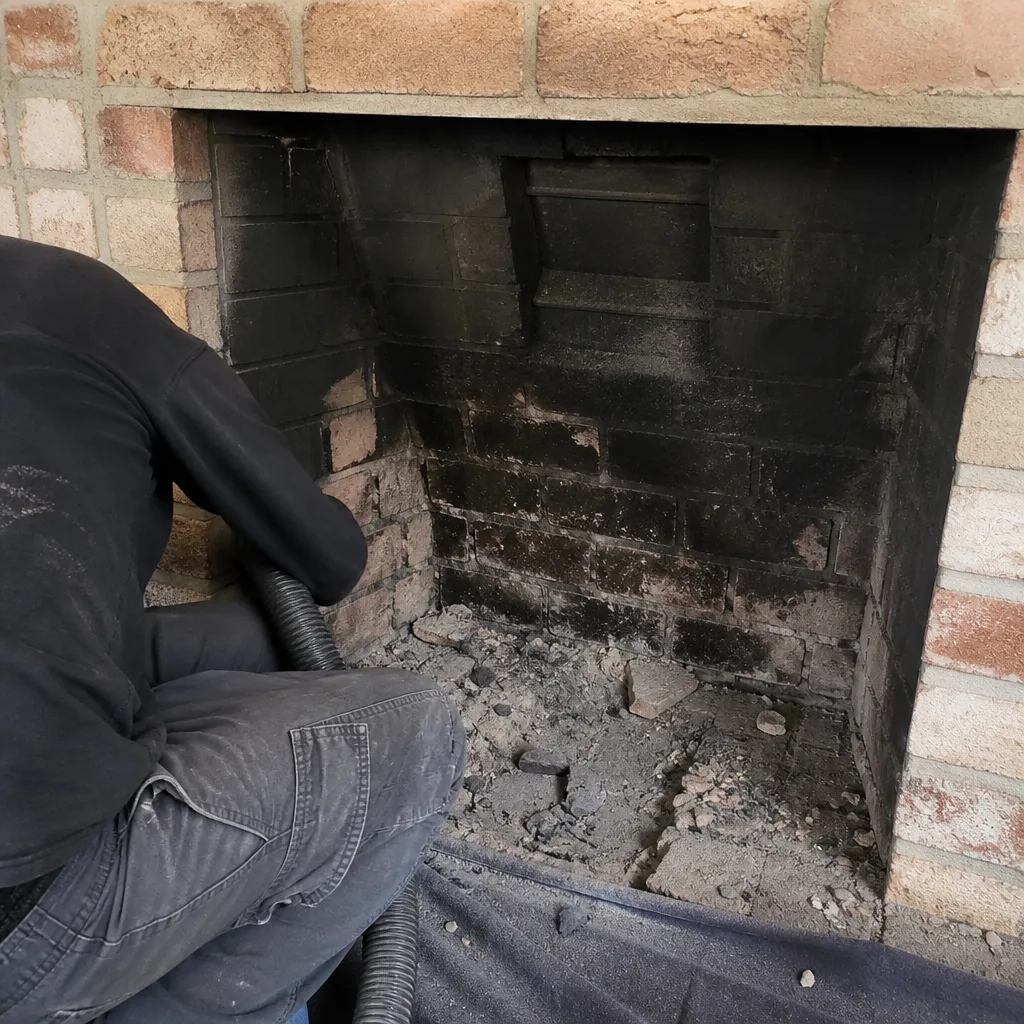
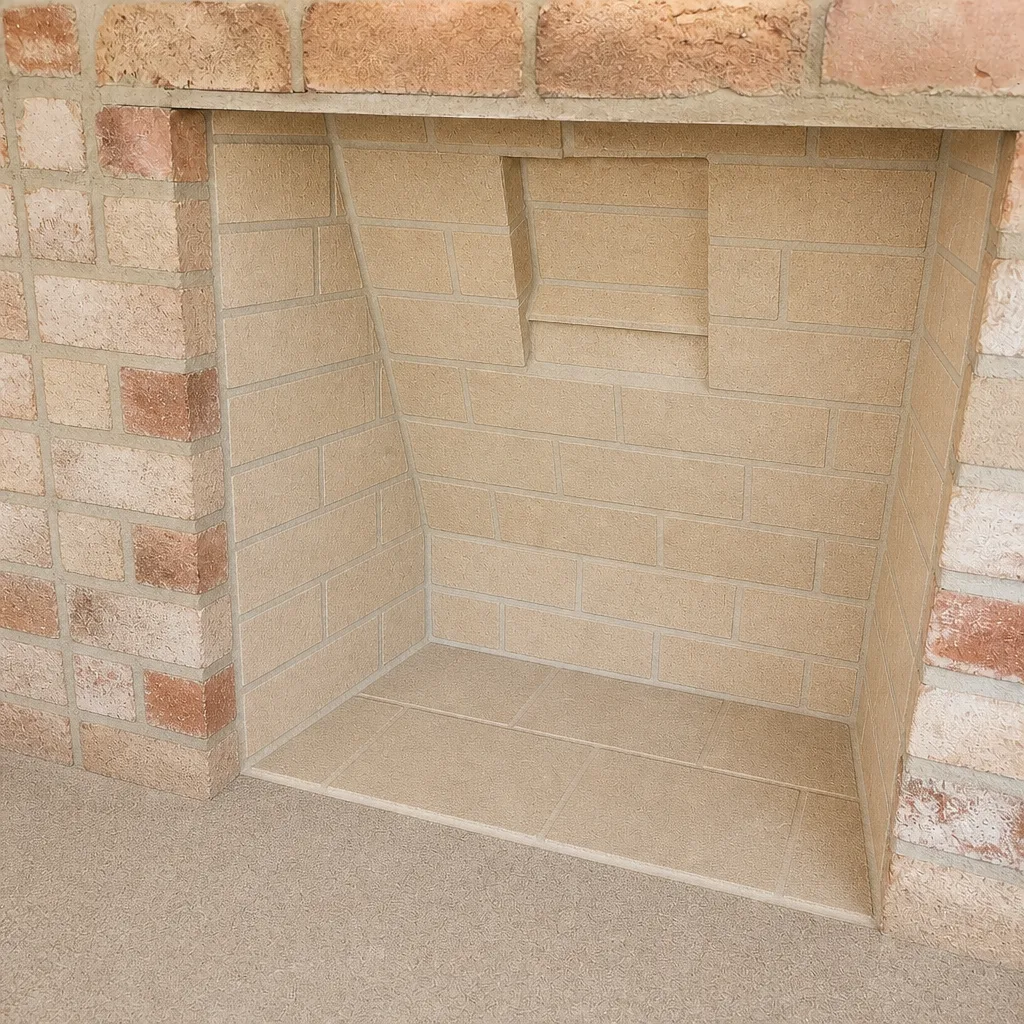
- Before and after photos of the firebox, the flue, and the cap area. The photos are your evidence that the sweep happened and the flue condition is what the technician says it is.
- Camera footage or stills from inside the liner. This is the core of the deliverable. If the liner is sound, you’ll see it. If it’s not, you’ll see where.
- Liner condition notes in plain language. Not “flue appears satisfactory.” Notes that say whether the tiles are intact, whether joints are offset, whether there’s visible spalling or creosote glaze, and what that means for the next burning season.
- Deferred repair recommendations, in writing, with prices. If a repair can safely wait, it should say so. If it can’t, that should say so too. Both belong on paper so you can plan.
- Service record for your file. Many insurers and home inspectors ask for proof of chimney service. A dated record with the technician’s certification number is worth keeping.
If you don’t get a written report, ask for one. A contractor who can sweep but can’t document has left you with no way to verify the work or plan the next repair.
Why Fairfield Homes Need a Different Hiring Standard
Fairfield sits in a climate where a chimney can look fine from the outside and still be a problem inside the flue. Winters here are mild, which means the burning season is long and spread out. Homeowners burn intermittently from late fall into early spring, and intermittent burning produces more creosote in stages than a single cold-season marathon. That’s a reason to inspect, not a reason to panic.
The bigger local variable is the housing stock. Fairfield includes older neighborhoods where the chimney may not have been inspected since the home changed hands, and newer construction where a gas appliance shares a flue or where the venting configuration is not obvious from the firebox. Either way, the hiring standard is the same: a technician who can see inside the flue and document what’s there.
The neighborhoods matter less than the age of the home. Cordelia, Green Valley, the areas around downtown Fairfield, and the newer developments on the east side all have different housing vintages, and the chimney in each one was built to a different standard. A sweep who works only in newer subdivisions may not know how to read an original masonry flue in an older home. Ask what kind of chimneys they see most often.
For a broader look at the area and how service is scoped here, see our Fairfield page. The point is simple: the hiring questions are universal, but the answer to “what should I expect to find” depends on when your home was built.
Sweep, Repair, and Liner Work: One Crew or Two?
One crew. Sweep, inspect, repair. That’s the standard to hold a contractor to, because the handoff problem is real: a cleaning company identifies damage it can’t fix, and you become the project manager between two contractors who never talk to each other.
The full scope has three parts. Preventive cleaning is the smoke chamber, flue, and firebox, plus the dryer vent if you want both systems handled at once. Structural repair covers the crown, the mortar joints, spalling brick, and resurfacing a deteriorating flue interior. System components are the cap, the liner, the damper, and the venting accessories that make the whole assembly work.
A contractor who only does the first category will find problems in the second and third and refer you out. A contractor who does all three can diagnose and fix in the same visit, with the same technician who already has the camera footage in hand. That’s not a small convenience. It’s the difference between a plan you can act on and a referral you have to chase.
The brand question comes in here. We work with a defined lineup of professional-grade brands: DuraFlex for liner systems, HeatShield for flue resurfacing, Gelco and Olympia Chimney for components, and Famco and Copperfield for venting and accessory work. These are the materials chimney engineers specify, not the hardware-store substitutes that fail the first cold snap. HeatShield resurfacing is worth calling out specifically: it can restore a compromised flue without the cost of full relining, and it’s a repair many sweep-only companies can’t offer because they don’t carry the equipment or the capability.
When a contractor’s only tool is a brush, every problem looks like it needs a brush. When the scope runs from sweep to liner, the recommendation can actually match what the camera shows.
Don’t Forget the Dryer Vent
Your dryer vent is a fire hazard for the same reason your chimney is. Lint accumulates the way creosote does, and the heat source is just as real. Most homeowners treat the two as separate chores and hire two contractors. We handle both in one visit, and it’s worth understanding why that matters for hiring.
dryer vent cleaning is a fire-safety service, not an add-on. The same visit that sweeps the flue can clear the dryer exhaust and check the termination for a stuck flap or a crushed run behind the unit. A technician who already has the camera out for the chimney has the equipment for the vent, and the report covers both. If you’re hiring a contractor for chimney work, ask whether they handle dryer vents. If the answer is a referral to someone else, that’s a gap in the scope.
The credential to look for here is C-DET (Certified Dryer Exhaust Technician), the same as we mentioned earlier. Dryer vent systems have their own rules about length, elbows, and termination, and a technician certified in chimney work may not know them. One visit, two certified disciplines, is the standard to aim for.
Common Mistakes to Avoid
- Hiring on price alone. The cheapest quote in Fairfield often reflects missing equipment. A sweep without a camera is not an inspection, no matter what the invoice says.
- Accepting a verbal diagnosis. If a technician says your liner is failed, ask to see the screen. A professional will show you. A salesperson will deflect.
- Skipping the license check. In California, liner and structural repair falls under the C-54 specialty classification. Ask for the number and verify it with the state license board. Sweeping alone may not require it, but repair does.
- Reading only the final number on the estimate. A lump sum hides scope. Ask for line items, and ask specifically what’s excluded.
- Assuming a certified tech has a camera. The certification belongs to the person and tests knowledge, not equipment. Ask separately.
- Forgetting the dryer vent. Homeowners who book a chimney sweep often leave the dryer vent for “someday.” It’s the same fire-safety category, and it’s cheaper to handle in one visit than two.
- Treating a written report as optional. No report means no record. Ask for it before you book, and keep it with your home maintenance file.
When to Call a Professional
Call a professional when the chimney is unknown territory. That includes a home you just bought, a fireplace you’ve never used, or a flue you’ve never had inspected. Call if you smell creosote in the room on a warm day, if the fire smokes back into the house, if the cap is loose or missing, or if the firebox shows cracked mortar or spalling brick. Call if it’s been more than a burning season since the last sweep, or if you can’t remember the last one. Call if you’re switching a gas appliance to a new flue or adding an insert.
Fairfield Chimney Cleaning offers free estimates in Fairfield. Call (833) 946-3479. We answer 24/7, with fast dispatch from 7am to 7pm, Sunday through Friday. Our technicians have up to 12 years of experience, and one crew handles sweep, inspection, and repair so the diagnosis and the fix stay together.
Frequently Asked Questions
A chimney sweep is priced per job by a written estimate, and the estimate is free. The final price depends on the flue configuration, the level of creosote, and whether the visit includes camera inspection or cap work. Ask for line items so you can see exactly what the estimate covers. Call (833) 946-3479 for an exact quote.
Not always. A liner is recommended only when the camera shows a condition that warrants it, such as failed flue tiles, gaps at the joints, or heavy spalling. HeatShield resurfacing can restore a compromised flue without full relining in some cases, which is why the camera footage matters: nothing should be recommended that you can’t see for yourself. Call (833) 946-3479 for a free estimate and ask to watch the inspection screen.
Most homes are swept once a year, or after a cord of wood if you burn more. Fairfield’s mild winters mean many households burn intermittently across a longer season, which builds creosote in stages, so an annual inspection is a reasonable baseline. Call (833) 946-3479 to book a sweep and get a written report you can keep.
Creosote accumulates in stages, and at the higher stages it’s a real fire risk in the flue. A blocked or partially blocked flue also pushes smoke and carbon monoxide back into the room instead of up and out. Skipping the sweep doesn’t create an immediate hazard in every home, but it removes your ability to know. Call (833) 946-3479 for a free estimate so you can make a decision based on what’s actually in the flue.
Yes, and that’s the scope to look for. A full-service scope covers preventive cleaning (chimney and dryer vent), structural repair (crown, joints, resurfacing), and system components (cap, liner, venting). Handling all three with one crew eliminates the handoff problem. Call (833) 946-3479 to book a visit that covers all three.
Check the CSIA certification number on the CSIA directory, ask for the C-54 license number if repair work is scoped, and ask for a certificate of insurance before the appointment. If the visit includes the dryer vent, look for C-DET certification. None of these certifications covers equipment, so ask about the camera system separately. Call (833) 946-3479 to ask our team what each visit includes.
The Bottom Line
Hiring a chimney contractor in Fairfield is a credentialing and scope question, not a price question. Verify the CSIA certification and the C-54 license, ask what camera system the technician uses and whether you’ll see the footage, and insist on a written line-item estimate and a written post-job report. Price comes last, because the cheapest quote is often missing the equipment that makes an inspection real. One crew for sweep, inspection, repair, and dryer vent keeps the diagnosis and the fix together. Fairfield Chimney Cleaning offers free estimates in Fairfield. Call (833) 946-3479. We answer 24/7, with fast dispatch from 7am to 7pm, Sunday through Friday.
Written by the team at Fairfield Chimney Cleaning.
See the difference
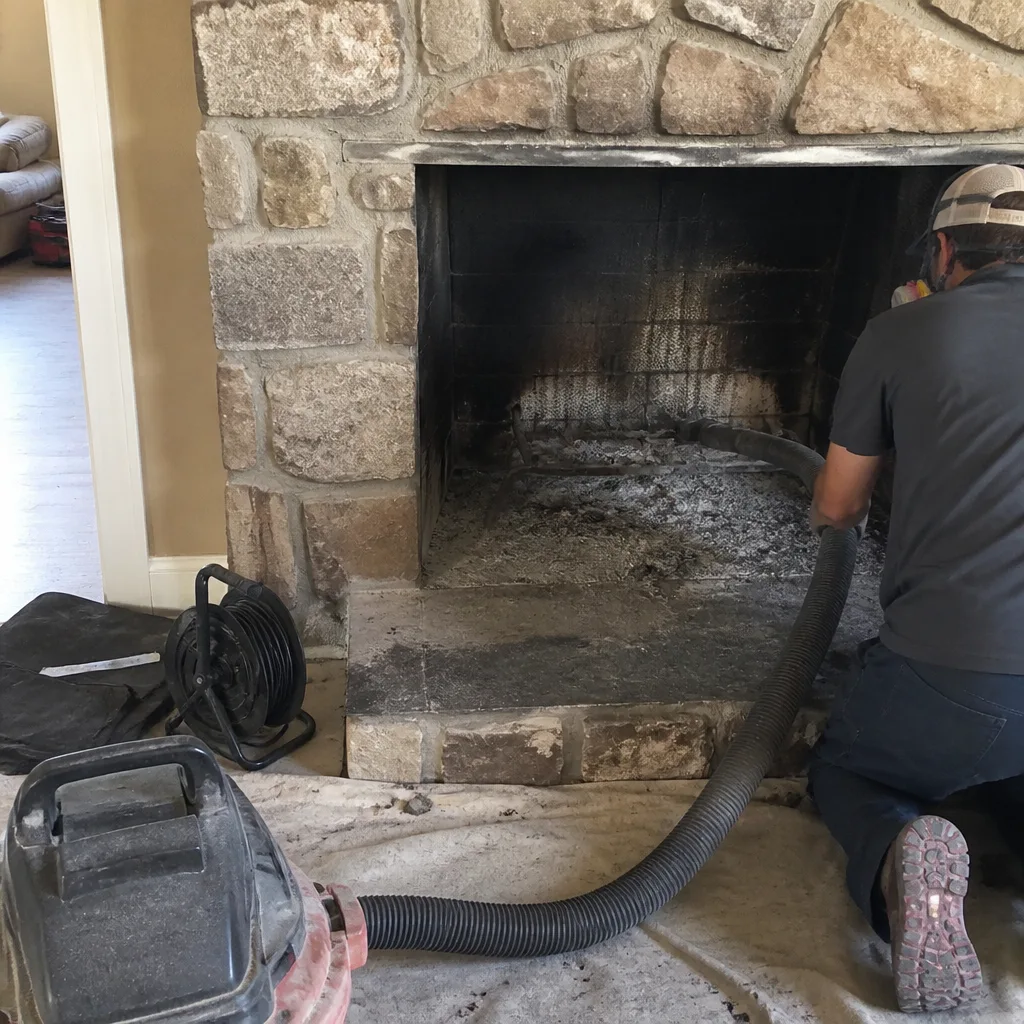 Before
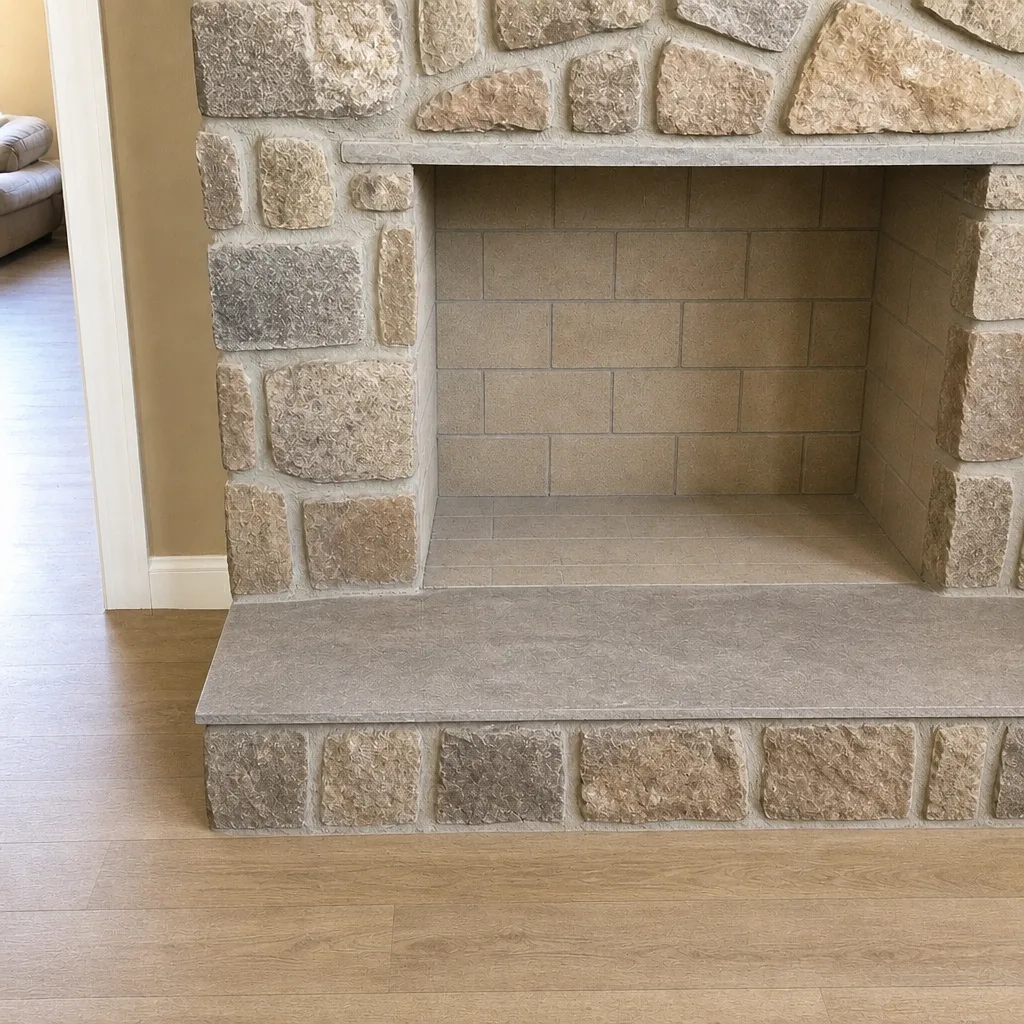 After
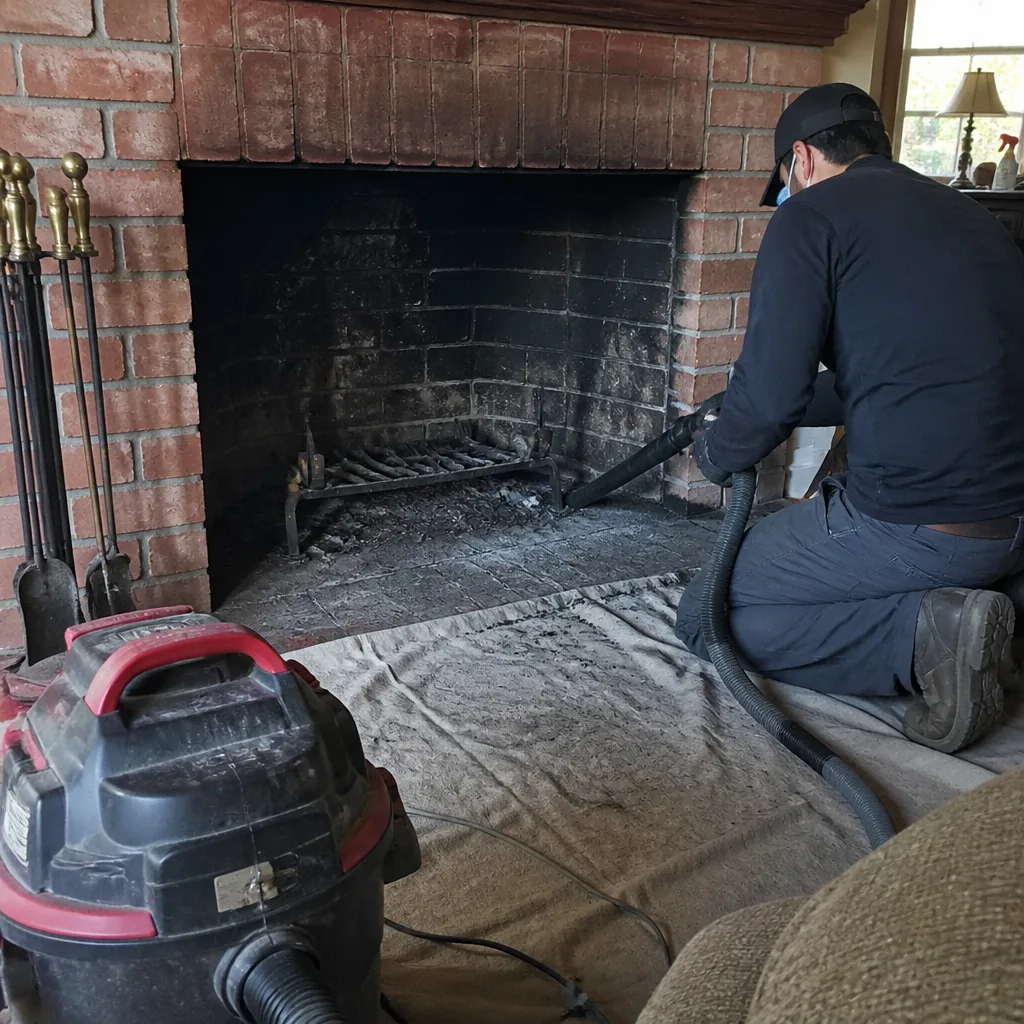 Before
 After
 Before
 After