
Last updated November 15, 2026
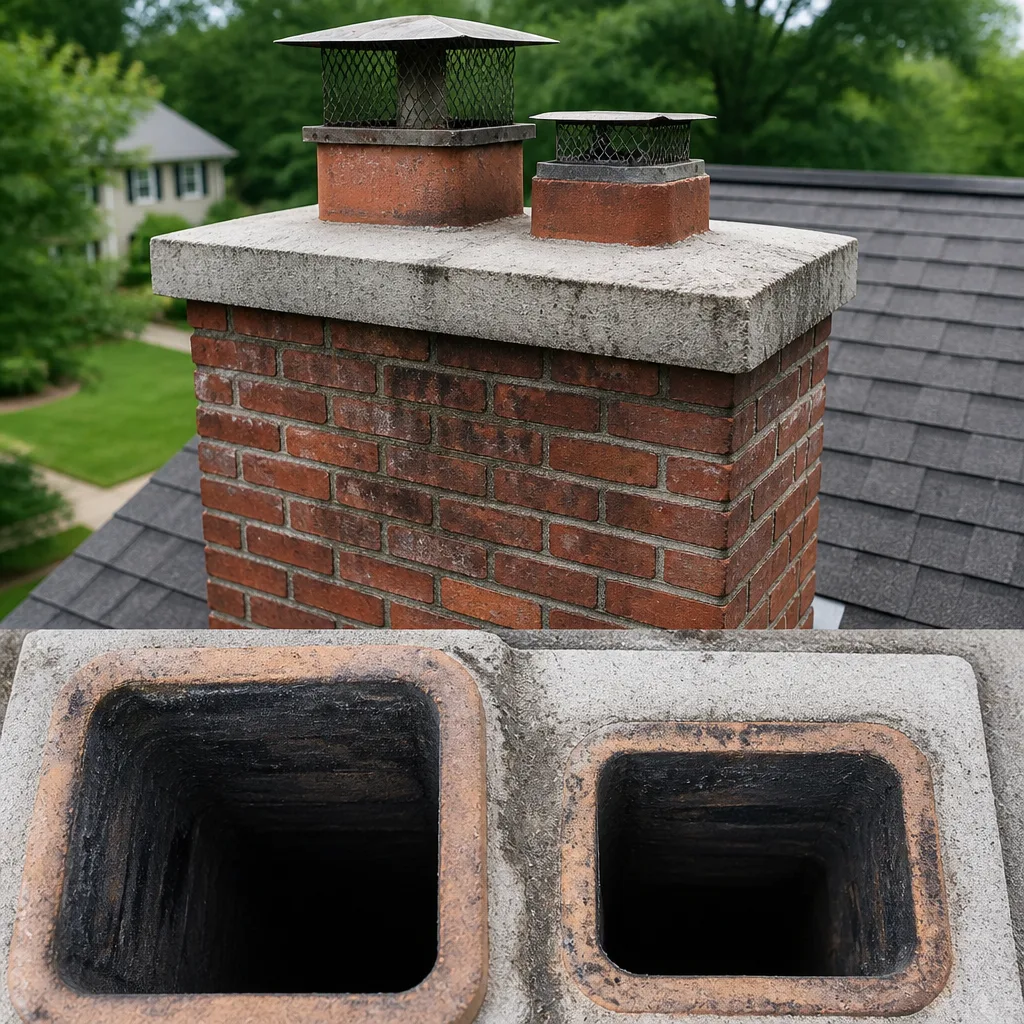 Sweep & inspection
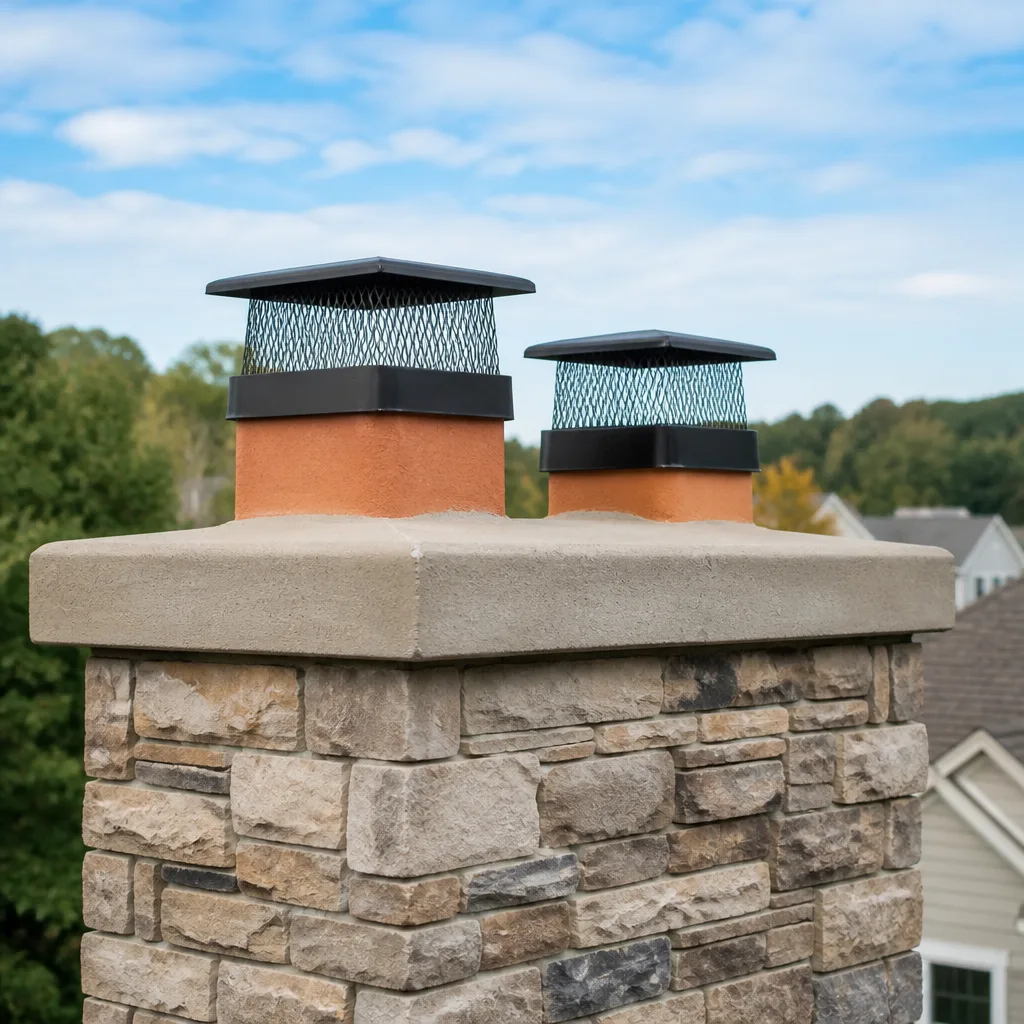 Caps & crowns
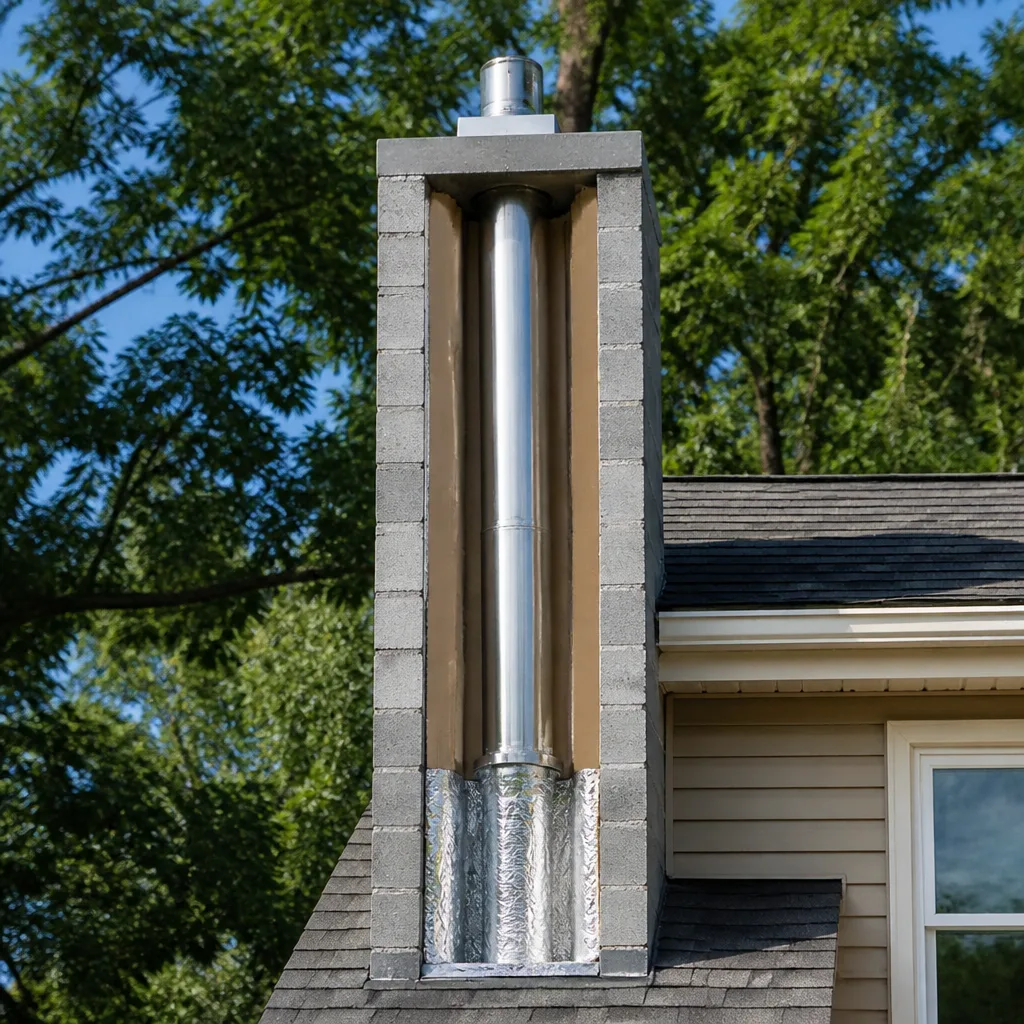 Flue relining
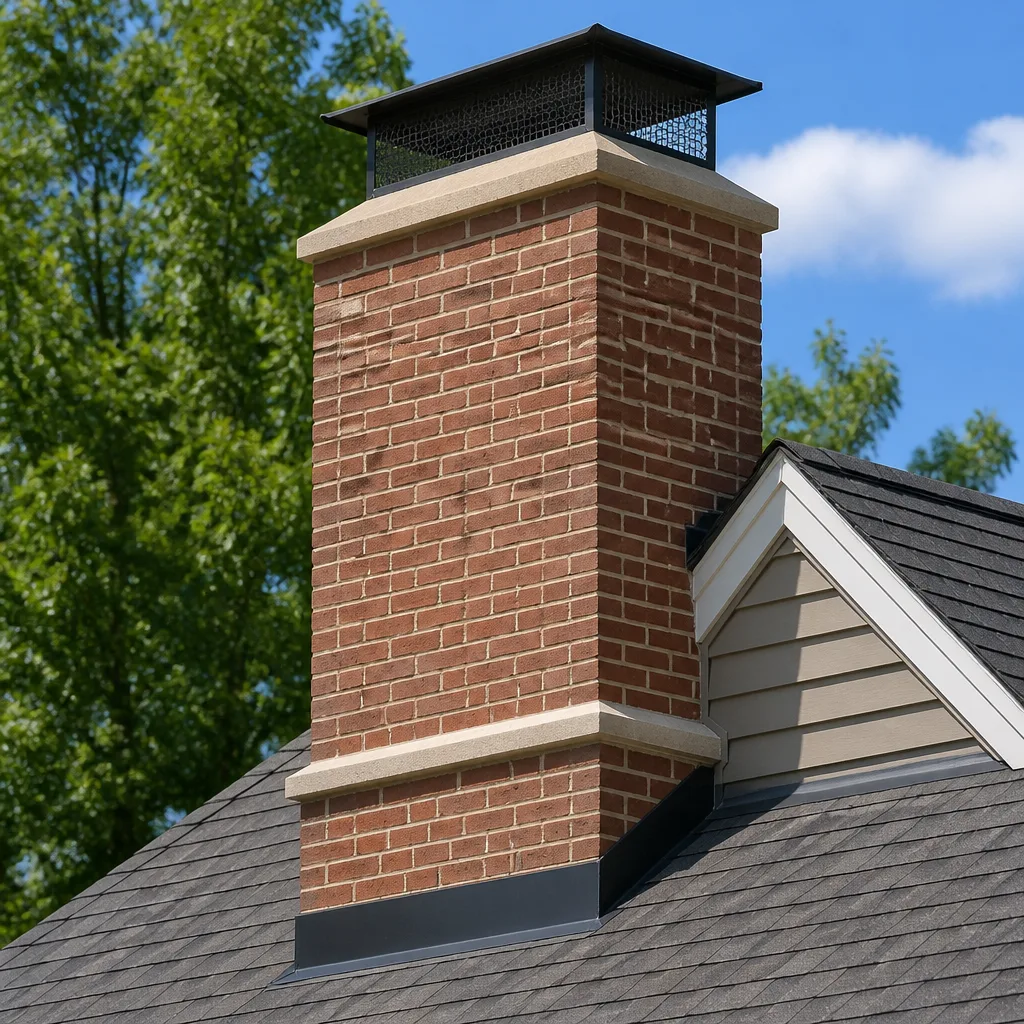 Masonry repair
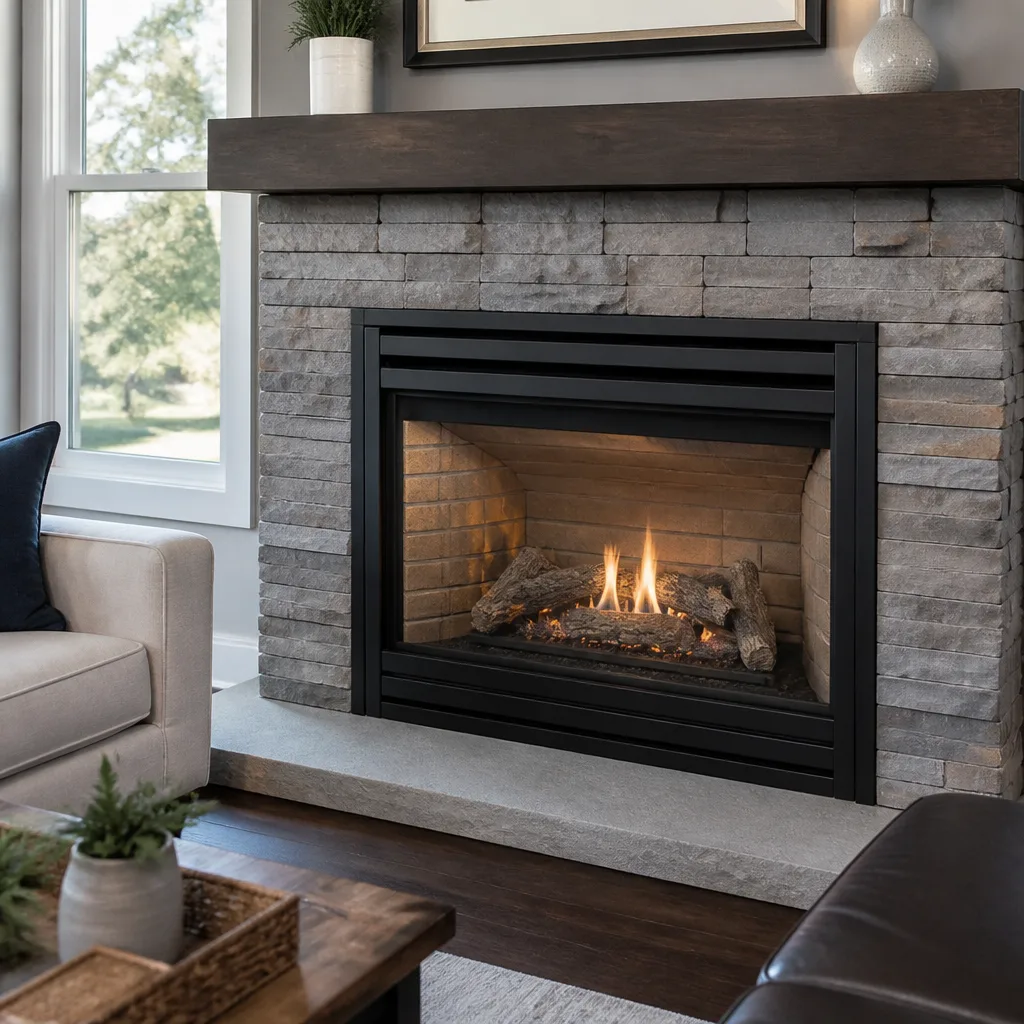 Gas fireplace service
Level 1 sweep and inspection to the NFPA 211 annual standard - flue, crown, cap, and flashing checked and photographed
Chimney sweep logs do not sweep chimneys. They loosen some creosote - which then falls where a brush and vacuum still have to collect it.
The Complete Guide to Chimney Cleaning in Fairfield
Most chimney fires in Northern California valleys start in fireplaces that were used only a handful of times. That surprises homeowners. The mental math goes: a few fires in December, a couple in January, and the flue must still be clean. It isn’t necessarily. Creosote builds in layers, and the light-use fireplace that gets lit for atmosphere on a cold evening can stage just as much combustible residue as one burning daily. In Fairfield, where winters are mild enough that wood burning is optional, this is the trap. This guide covers how Fairfield’s wind patterns and burn habits affect what’s inside your flue, how inspection levels differ, how creosote stages dictate cleaning method, and what a finished job should hand back to you on paper.
Quick Answer
A chimney in Fairfield should be inspected once a year and swept whenever the inspection shows 1/8 inch or more of creosote, or any glazed deposit. Mild winters make it easy to skip service, but light use does not mean a clean flue. The sweep itself is the cheap part; the inspection behind it is what tells you whether the flue is safe to burn in.
Styles & brands we work with
- Sweep & inspection
- Caps & crowns
- Flue relining
- Masonry repair
- Gas fireplace service
Table of Contents
- Why Fairfield’s Climate Changes How Your Chimney Ages
- Level I vs. Level II Inspections: Which One Does Your Home Need?
- A Basic Sweep vs. a Full System Inspection
- The Three Stages of Creosote and Why the Method Must Match
- What a Completed Job Report Should Contain
- Your Dryer Vent Is the Same Kind of Fire Hazard
- Building a Chimney Maintenance Schedule in Fairfield
- What You Can Check Yourself and Where to Stop
Why Fairfield’s Climate Changes How Your Chimney Ages
Fairfield sits in a valley where two wind systems take turns. The Delta breeze pushes cool, moist air inland through the gaps on summer afternoons. The Diablo wind does the opposite in fall and early winter: dry, warm air moving offshore, often fast. Both affect a chimney, and they affect it differently.
Draft is pressure. A flue works because warm exhaust is lighter than the air around it, and the house pulls replacement air from somewhere. When the Delta breeze is strong, the pressure outside the termination cap can climb, and a marginal flue starts to struggle. Smoke that should go up hesitates, then spills at the damper. Call it backdrafting, and it leaves its own deposit: cooler, wetter smoke condensing on the flue walls rather than exhausting cleanly.
The Diablo wind brings its own problem. When it blows hard, it can overpower a short flue or one with a poorly placed cap, and it also dries out the wood pile fast, which tempts people to load the stove with wood that isn’t fully seasoned. Green or damp wood burns cooler and smokes more, and cool smoke is exactly what lays down creosote.
In our experience, Fairfield chimneys tend to show a less even deposit pattern than what a homeowner expects. The flue may look fine at the top and hold most of its build-up lower down, near the smoke chamber, because the draft was marginal on the days the fireplace ran. That’s one more reason the inspection matters as much as the brushing. A visual glance down the flue tells you almost nothing about the section that matters most.
None of this makes a Fairfield chimney unusual. It makes it local. The same house in a colder climate might burn four times as much wood and get swept out of habit every fall. Here, the habit dissolves. And the flue doesn’t care that the fire was small.
Level I vs. Level II Inspections: Which One Does Your Home Need?
Chimney inspections come in three recognized levels, and most homeowners only ever need the first two. The level is not a matter of how thorough the technician feels like being. It’s determined by what’s changed since the last inspection and what kind of appliance the flue serves.
Level I
A Level I inspection covers readily accessible portions of the chimney, the firebox, the damper and the flue, checked with basic hand tools. It’s the right call when the appliance hasn’t changed, the home hasn’t changed hands, and the flue has been maintained. If you burn a few cords a year and nothing has shifted, this is your annual baseline.
Level II
A Level II inspection adds video scanning of the flue interior and access to concealed areas: attics, crawlspaces and any space where the chimney passes through. It’s the standard for a few situations you should know by name:
- A home has just been purchased, and the chimney’s history is unknown.
- The appliance or fuel type has changed – for example, a wood insert added, or a gas appliance replacing a wood-burning fireplace.
- A chimney fire is suspected, or the flue has been damaged.
- A significant weather event or seismic movement has occurred.
- You’re planning liner work and need to know the flue’s actual condition first.
Pre-1980 and post-2000 homes
Fairfield’s housing stock spans both sides of that divide, and the two need different attention. Homes built before 1980 often have masonry chimneys laid up without a modern liner, or with an early liner that’s now cracking. A Level II inspection is worth it on any pre-1980 home whose chimney history isn’t documented, even if everything looks tidy from the living room. Post-2000 construction usually means a factory-built metal flue with specific manufacturer clearances, and the inspection needs to verify the flue is still the correct system for the appliance and hasn’t been altered. Two very different houses, two different inspection conversations.
We’ve seen both. The question we ask on the phone is always the same: what’s been done to this chimney, and what do you know about it? When nobody knows, we scan. If you’re unsure which level you need, have a look at Fairfield for the local context, or simply ask when you call.
A Basic Sweep vs. a Full System Inspection
A sweep removes creosote from the flue. A full system inspection evaluates the whole chimney, and they are not the same job. Many companies sell the sweep and stop there. That leaves the parts that fail most often unchecked.
Here’s what a proper system inspection looks at, beyond the flue:
- The smoke chamber. This is the sloped space above the damper and below the flue. Older masonry construction often left it corbelled and rough, and rough surfaces collect the most creosote. It’s an area many sweep-only services never open up.
- The firebox. Checked for cracked brick, deteriorated mortar joints, and gaps between the firebox and the facing where heat can escape.
- The damper. Checked for operation, seal, and rust. A damper that won’t fully close loses heat all year; one that won’t fully open causes smoke spill.
- The flashing. The seal where the chimney meets the roof. Water intrusion causes deterioration that shows up years later as cracked masonry.
- The crown and cap. The crown sheds water off the top of the chimney; when it cracks, water finds the flue. The cap keeps rain, birds and debris out, and its condition affects draft.
- Clearances. How the chimney sits relative to combustible framing and roofing material, which matters more than most people realize.
When each is warranted
A basic sweep is warranted when a recent inspection showed light deposit and nothing has changed. That’s a lot of homes. A full system inspection is warranted when you don’t have a baseline, when the home is new to you, when you’ve added an insert or changed fuel, or when the sweep turns up something that needs a closer look. If a company offers only sweeping, ask yourself who will inspect the smoke chamber and flashing. If they can’t, you’ve found a gap, and it’s the common one.
The Three Stages of Creosote and Why the Method Must Match
Creosote is what’s left when wood smoke cools before it leaves the chimney. It starts as a thin soot and thickens in stages. The stage on your flue walls decides how the flue can be cleaned, and a method that doesn’t match the stage is wasted effort at best, and a damaged flue at worst.
First-degree: sooty and flaky
First-degree deposit is light, dusty or flaky, and brushes off readily. Standard chimney brushes do the job. This is the stage you want to stay in, and annual sweeping is what keeps you there.
Second-degree: hard and crusty
Second-degree deposit is a hard, crusty layer, sometimes with a glazed look but still removable. It requires more mechanical effort, and it’s the point where a homeowner who has skipped several years of sweeping needs to hear it plainly: the deposit is no longer a light cleaning. A rotary sweep or a combination of tools gets through it, but it also tends to reveal underlying flue damage the deposit was hiding.
Third-degree: glazed and hard as glass
Third-degree deposit is glazed, hard, and often looks like black glass on the flue wall. It’s the most combustible stage and the hardest to remove. Brushes won’t touch it. The methods used are either chemical (a creosote-dissolving powder or liquid applied and left to work) or mechanical rotary cleaning with appropriate tooling. On masonry flues, resurfacing products like HeatShield are sometimes the right repair after removal, because the flue wall itself may have been compromised. HeatShield allows us to restore a deteriorating flue interior without full relining, which is often the better answer than putting a new liner in a flue that just needs resurfacing.
Why it matters to match the method
Using a rotary tool on a thin liner at high speed can damage it. Using a soft brush on glazed third-degree creosote just polishes it. The inspection tells the technician the stage, and the stage dictates the method. This is why we treat cleaning as a diagnostic job, not a brushing job.
What a Completed Job Report Should Contain
A chimney job that ends with “all done” hands you nothing to defend. A written job report is worth more than the cleaning itself, because it’s what you’ll need at resale, at an insurance claim, or at a future inspection when someone asks what’s been done.
A proper report should include:
- Date and service type. What was inspected (Level I or II), what was swept, and what was left alone.
- Condition findings by area. Flue, smoke chamber, damper, firebox, crown, cap, flashing. Not “chimney checked,” but each one named.
- Creosote stage and quantity. What was removed, and at what stage it was found.
- Photographs of the interior. This is the part most homeowners don’t realize they can ask for. If we recommend work, we expect you to see what we saw.
- A recommendation, with a clear “urgent” vs. “can wait” distinction. Not everything we find is urgent. Some findings are worth watching and rechecking in a year. The report should say which is which.
- Products and materials used. If a component was installed or resurfaced, the report should name what went in – for example a DuraFlex liner system, or a Famco or Copperfield component used for venting and accessory work. Those are the brands HVAC and chimney professionals specify nationally, and the report should reflect them accurately for future inspections.
- A clear next-step timeline.
Keep the report with your home records. A well-documented chimney history is an asset at resale, and it’s one of the first things a buyer’s inspector will ask about. The written estimate and the job report aren’t paperwork; they’re the proof.
Your Dryer Vent Is the Same Kind of Fire Hazard
Chimney fires and dryer vent fires share mechanics. Lint accumulates where heated air slows down, the same way creosote does. Both can ignite from a hot spark, and both are made worse by a long or restricted exhaust path. The real difference is that most people think about their chimney once in a while and never think about the dryer vent in the same breath. Treating both in one visit keeps the safety scope honest.
Signs your dryer vent is overdue:
- Clothes take noticeably longer to dry than they used to.
- The dryer or the wall behind it feels hot to the touch during a cycle.
- Lint appears behind the dryer, around the vent hood, or in the exhaust path.
- You can’t remember the last time the vent was cleaned.
If any of those sound familiar, dryer vent cleaning is worth scheduling while your chimney is on the same visit. It’s one trip, one set of eyes, two fire systems handled together. We handle both for Fairfield homes, and we don’t route you to a second contractor for the vent. Combine the two on the same service call and the scope is covered, not deferred.
Building a Chimney Maintenance Schedule in Fairfield
How often to schedule a sweep depends on how much you burn and what condition the flue was left in. The annual inspection is the constant; the sweep follows the findings.
- Annual inspection, every year. This is the baseline. It doesn’t change with light use or the weather.
- Sweep based on deposit, not the calendar. If the inspection shows 1/8 inch or more of creosote, or any glazed deposit, sweep it. If you burned frequently, expect to sweep annually as well.
- After any change to the system. An insert added, a fuel change, a new appliance installed, or a significant storm event means a Level II inspection before you use the fireplace again.
- Before the burning season, not during it. The right time to book a sweep in Fairfield is before the first Diablo wind event sends everyone inside to light a fire. Waiting until the middle of winter means being on a busy schedule when a marginal flue is already running.
- Before selling or buying a home. A documented chimney history makes a transaction smoother, and the buyer’s inspector will look anyway.
There’s no need to schedule more than that. If the report says the flue is sound and the deposit is light, don’t invent a problem. We tell you what we find and what it costs to fix, and we’ll also tell you when the right answer is to wait a year and recheck.
What You Can Check Yourself and Where to Stop
Some chimney checks are safe to do yourself. Knowing the limit matters, and where the limit falls has nothing to do with how handy you are.
What you can reasonably check: dampers open and close freely; the firebox has no loose mortar or obvious gaps; the cap is present and intact from the ground; you don’t see smoke spilling into the room during use; the flue looks blocked from the firebox (no bird nests, no debris).
What you should never do yourself: open or disconnect a gas appliance flue, climb onto a steep roof, try to remove third-degree glazed creosote, or inspect the flue interior visually with a mirror and flashlight and assume it’s fine. That last one is where most self-inspections fail. The eye can’t see the smoke chamber or the crown from below, and a normal-looking flue can hide a cracked liner behind a film of soot. Electrical work is a similar category: the stakes there are shock and fire. Chimney work is a fire risk and contact-with-heat risk. The right call is a trained professional, not a longer ladder.
Chimneys and gas appliances carry real hazards, and that’s precisely why the work is done by specialists. If you’re not sure, we’d rather answer the question than have you find out the other way.
Common Mistakes to Avoid
- Assuming a light-burning season means no sweep. In a Fairfield climate, the fireplace is often used for a few evenings, and that’s exactly the use pattern that produces a deposit in an underdrafted flue. If your monthly log says two fires, your flue is still producing creosote on those two.
- Treating a sweep as a full inspection. The sweep cleans the flue; the inspection evaluates the damper, smoke chamber, flashing and crown. When you hire only a sweep, ask what happens to the rest.
- Using a soft brush on glazed deposit. Third-degree creosote won’t come off with a brush. A cleaning that seems to end too fast on a heavily used fireplace should get a second look.
- Burning unseasoned wood because the Diablo wind dried the pile. Wind-dried on the outside isn’t the same as seasoned throughout. Damp wood burns cooler, and cool smoke is where the creosote comes from.
- Skipping the dryer vent because the chimney is the “real” fire risk. Both are the same kind of risk: lint and creosote both ignite where heat and deposit meet. Handle both.
- Buying a home with no chimney paperwork. A missing history is a reason for a Level II inspection, not a reason to trust what the seller remembers.
- Replacing a liner when the flue just needs resurfacing. A flue interior that’s deteriorated but intact can often be restored with HeatShield resurfacing instead of relining. Ask the direct question before you accept the larger repair.
See the difference
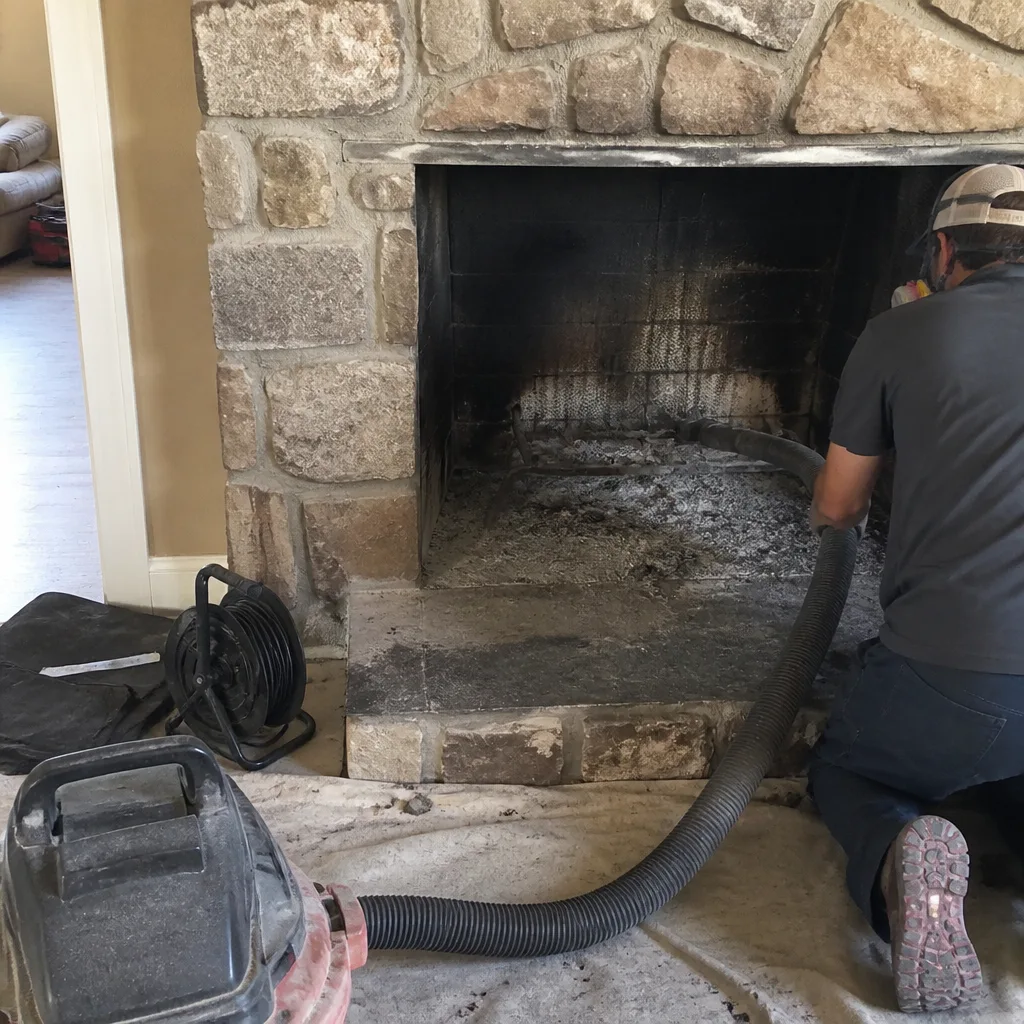 Before
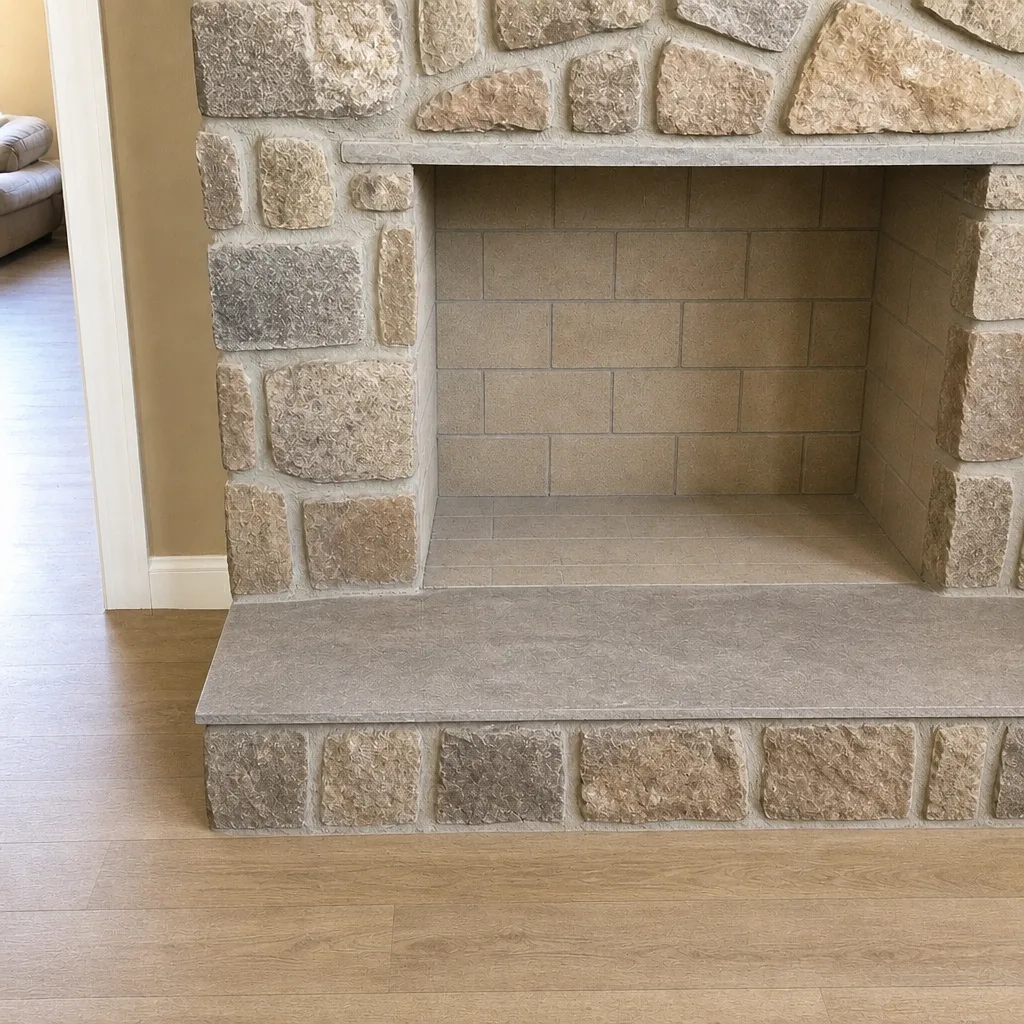 After
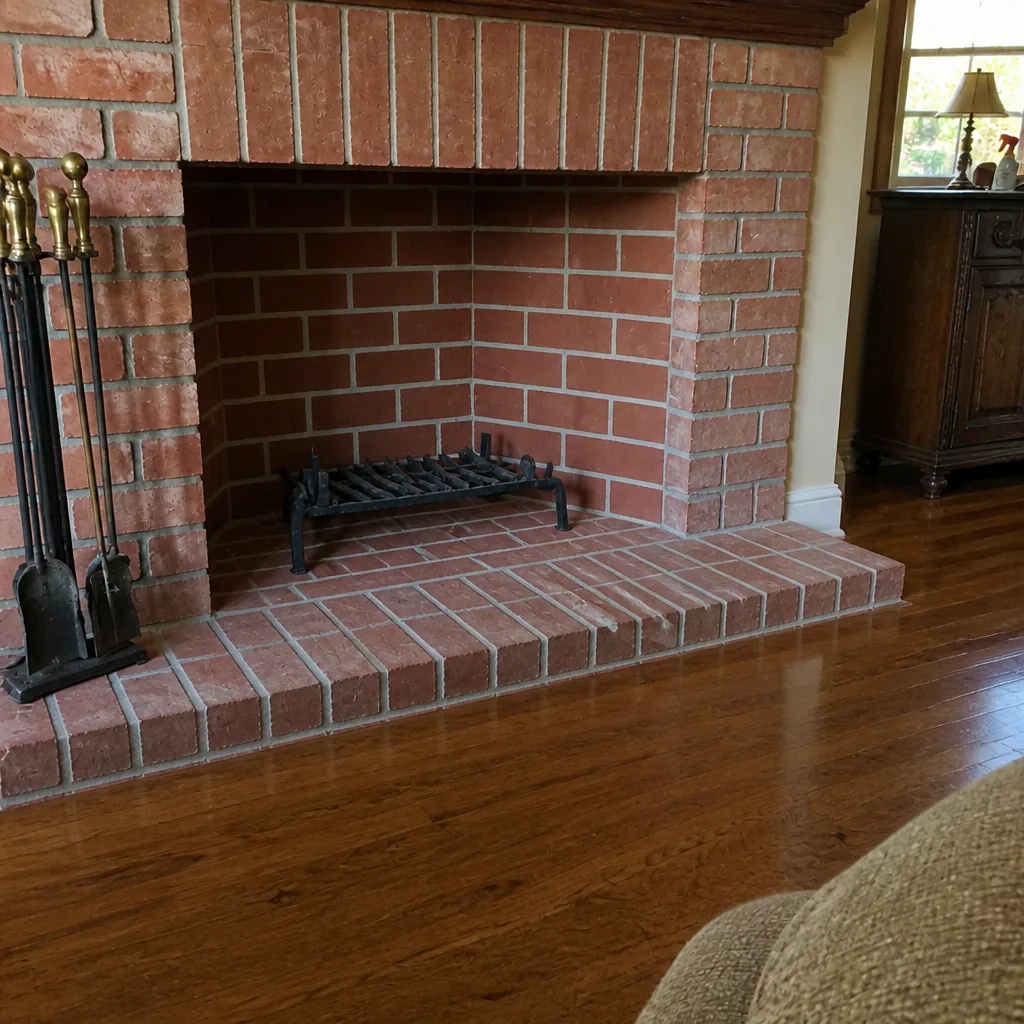
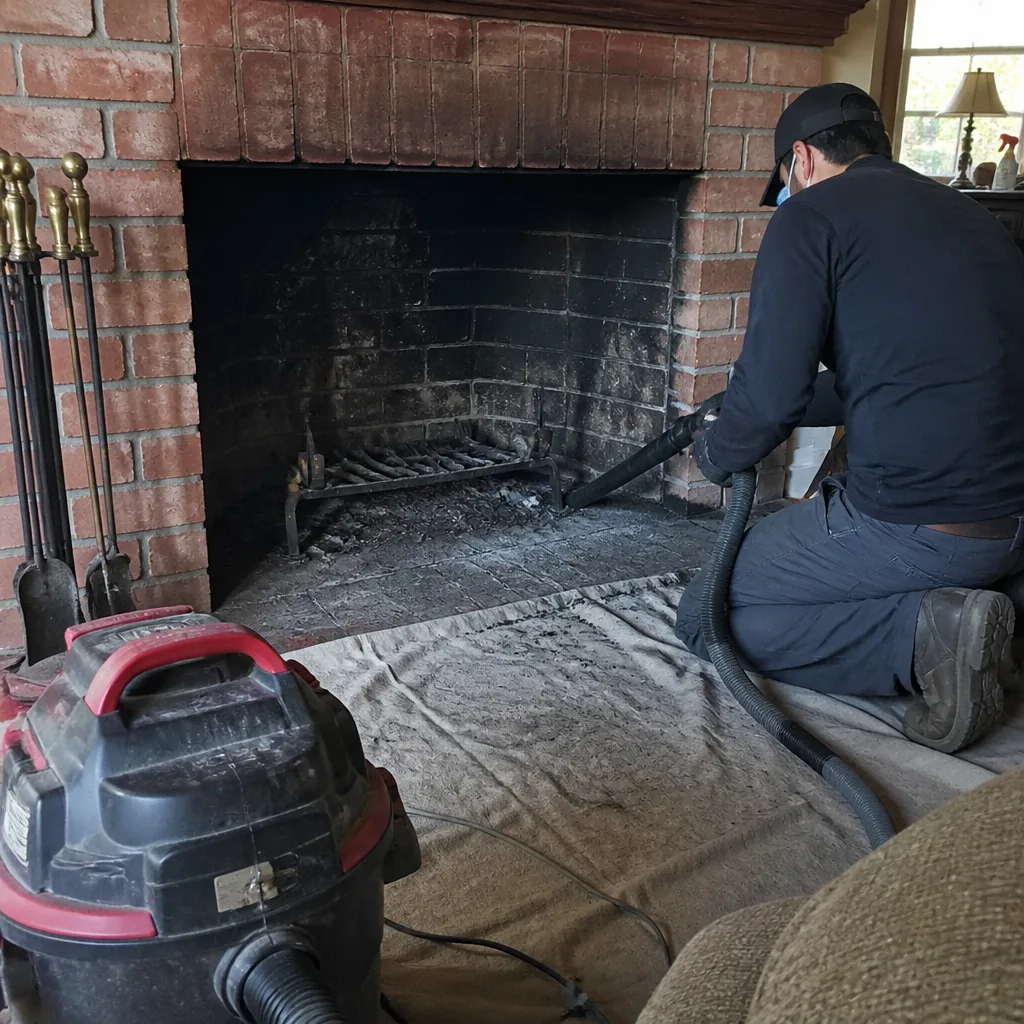 Before
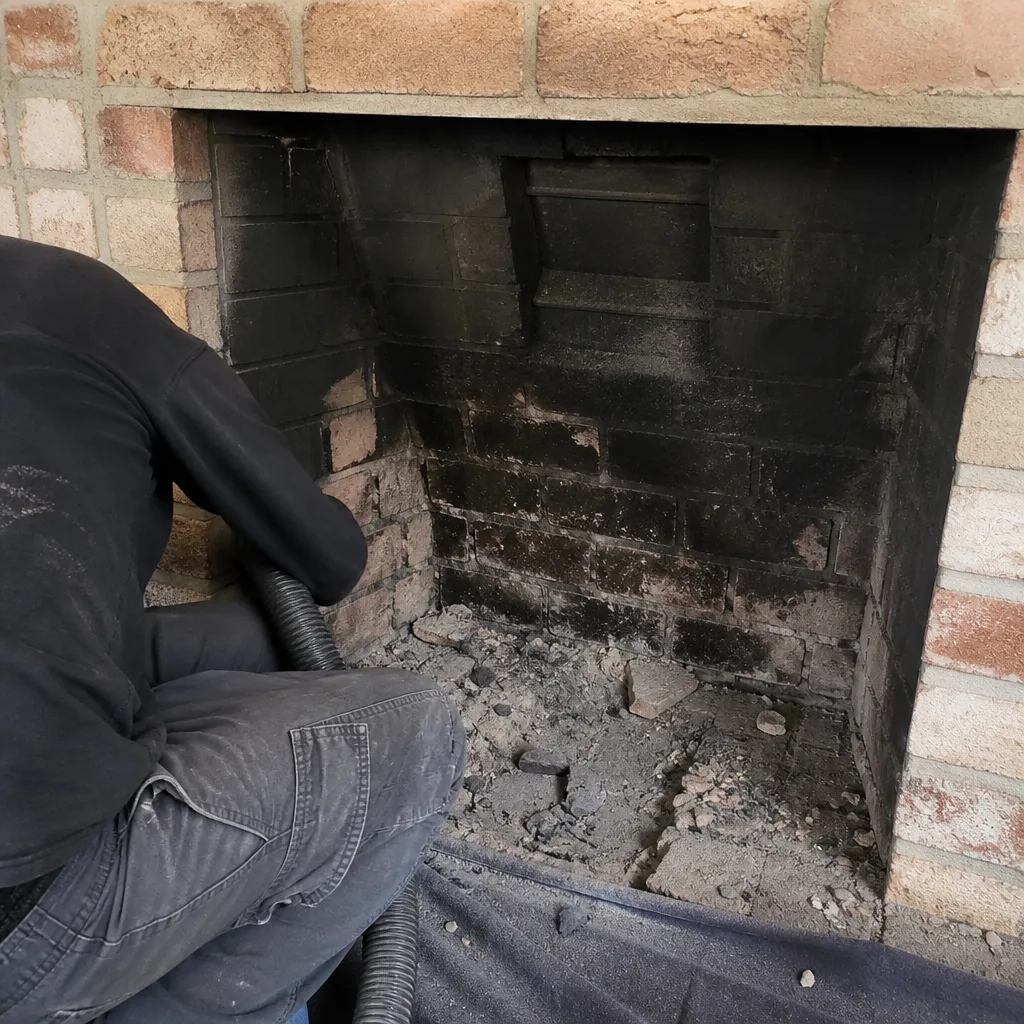
 After
 Before
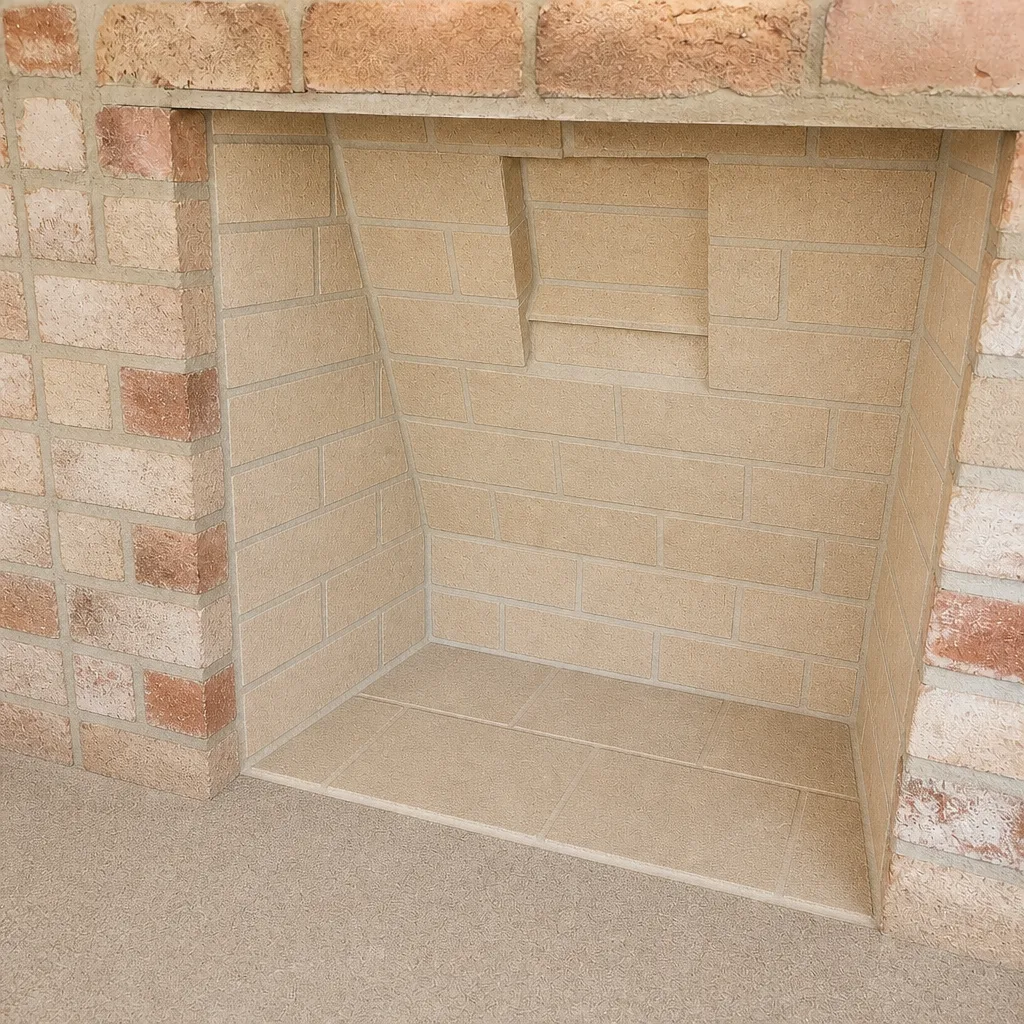 After
When to Call a Professional
Call a professional when the flue has been swept but not inspected in the last year, when a smoke chamber is part of the system, when you can’t document what’s inside the flue, or when you’ve just purchased a Fairfield home and need a baseline. Call when smoke spills into the room on a windy evening, when the damper sticks, or when a gas appliance shares the flue and you don’t know what that appliance’s venting really looks like. Call before you accept a recommendation for liner or masonry work that no one has shown you a photograph of. Fairfield Chimney Cleaning offers free estimates in Fairfield – call (833) 946-3479. Nothing is recommended without camera evidence you can see for yourself, and we’ll tell you plainly when work can safely wait.
Frequently Asked Questions
A standard sweep in Fairfield typically falls in a range that depends on the flue’s deposit stage and access. A light first-degree sweep costs less than a glazed third-degree cleaning that needs chemical treatment or rotary work. Any price we give over the phone is an estimate; the written estimate sets the final price. Call (833) 946-3479 for an exact quote – estimates are free.
Once a year for inspection, and swept whenever the inspection shows 1/8 inch or more of creosote or any glazed deposit. Light use in a mild climate is not a reason to skip. If you burn often, plan on an annual sweep as well as the inspection. Call (833) 946-3479 to book the inspection, and we’ll tell you what the flue needs based on what we see. Estimates are free.
Not necessarily. A liner is needed when the existing flue is damaged beyond repair or undersized for the appliance. If the interior is deteriorated but still intact, HeatShield resurfacing may restore it without relining, and it’s an option many sweep-only companies can’t offer. We show you the camera findings before either is recommended. Call (833) 946-3479 for a free estimate and a look at the evidence.
Deposit accumulates. First-degree soot hardens into second-degree crust, then into glazed third-degree creosote, which is the most combustible stage and the hardest to remove. The longer it stays, the more likely the deposit hides an underlying flue defect and the more likely the fix moves from cleaning to repair. Skipping a year doesn’t mean a fire tomorrow; it means the eventual job is bigger. Call (833) 946-3479 for a free estimate before that happens.
Yes. Gas appliances with masonry or metal flues need inspection too, and the inspection verifies that the venting is intact and sized for the appliance. Gas flues don’t produce creosote the way wood fireplaces do, but they can still hold debris, be blocked, or have a compromised liner. Call (833) 946-3479 to talk through what your appliance needs. Estimates are free.
You see the evidence. We include camera inspection and a photo report, and nothing is recommended without a photograph you can look at yourself. We tell you what we find, what it costs to fix, and whether it can wait a year. If it can wait, we say so. Call (833) 946-3479 for a free estimate.
The Bottom Line
Chimney cleaning in Fairfield is a small annual job that keeps a larger repair from becoming necessary. The inspection is the point, not the brush; the deposit stage decides the method; the report is what makes the work defensible at resale and insurance time. Fairfield’s wind patterns and mild winters push homeowners to underuse the fireplace and skip service at the same time, and that combination is where the surprises live. Get the inspection, read the report, and ask for the photos. We answer 24/7. Fast dispatch, 7am-7pm, Sunday through Friday. Call (833) 946-3479 for a free estimate. Our technicians have up to 12 years of experience, and we’re here to give you a straight answer whether your flue needs a sweep, a resurfacing, or nothing at all.
Written by the team at Fairfield Chimney Cleaning.